

Navigating the Bonus Buy Dilemma: Weighing the Value of Premium Features
I. Introduction to the Bonus Buy Concept
The concept of “Bonus Buy” has become increasingly prevalent in various industries, particularly in digital products and services. At its core, a Bonus Buy refers to an option where consumers can pay an additional fee to unlock extra features or benefits that are not available through the standard purchase. This approach is commonly seen in gaming, streaming platforms, and subscription services, where users are presented with opportunities to enhance their experience through additional investments.
A. Definition of Bonus Buy
A bonus buy feature - En buy bonus feature promo can be defined as an upsell mechanism that allows consumers to access premium content, features, or services by paying an extra charge on top of the base price. This model has gained traction due to its ability to cater to diverse consumer preferences, enabling individuals to tailor their experiences according to their specific desires and needs. While some consumers may view Bonus Buys as a way to enhance their overall experience, others may see them as a marketing tactic designed to encourage spending.
B. History and Evolution of Bonus Buys
The origins of Bonus Buys can be traced back to the gaming industry, where players were often given the option to purchase additional levels, characters, or power-ups. Over time, this concept has evolved and expanded into various sectors, including e-commerce, subscription-based services, and mobile applications. The rise of microtransactions in online gaming has played a significant role in normalizing Bonus Buys, as consumers became accustomed to the idea of paying for incremental improvements to their experiences.
As technology advanced and consumer habits shifted, Bonus Buys found their way into subscription models, with platforms offering tiered pricing structures that allow users to pay more for enhanced access. This trend has not only transformed how companies monetize their offerings, but also how consumers interact with products and services, leading to a more customized and, at times, complicated purchasing landscape.
C. Overview of Popular Industries Utilizing Bonus Buys
Today, several industries actively utilize Bonus Buys, each implementing the concept in unique ways. The gaming industry remains a primary player, with many titles incorporating in-game purchases that allow players to enhance their gaming experience. Streaming platforms like Netflix and Spotify have also embraced Bonus Buys, offering subscribers the option to pay for additional features such as ad-free viewing or exclusive content.
In the realm of e-commerce, retailers may provide consumers with the ability to buy premium shipping options or exclusive discounts on future purchases as a form of Bonus Buy. Additionally, mobile applications frequently use this model, allowing users to unlock advanced features or remove ads for a fee. As Bonus Buys continue to permeate various sectors, understanding their implications—both positive and negative—becomes increasingly important for consumers navigating this complex landscape.
II. Pros of Bonus Buys

As the landscape of consumer goods continues to evolve, the concept of Bonus Buys has emerged as a popular strategy across various industries. While the decision to invest in these additional features can be complex, several compelling advantages make Bonus Buys an attractive option for many consumers.
A. Enhanced User Experience
One of the most significant benefits of Bonus Buys is the potential for an enhanced user experience. By opting for additional features, consumers often gain access to tools and functionalities that can significantly improve the way they engage with a product or service. For instance, in the realm of video games, Bonus Buys frequently offer players exclusive levels, characters, or skins that enrich the gaming experience, allowing for greater immersion and enjoyment. Similarly, in software applications, premium features can streamline workflows and boost productivity, ultimately leading to a more satisfying user experience.
B. Access to Premium Features
Bonus Buys often include access to premium features that are not available in the standard version of a product. This can be particularly appealing for individuals seeking specific functionalities that cater to their unique needs. For instance, a photo editing app may offer advanced filters, editing tools, or cloud storage options through Bonus Buys. By investing in these additional features, users can tailor their experience to better align with their preferences and enhance the overall value of the product.
C. Perceived Value and Satisfaction
Consumers frequently perceive Bonus Buys as providing added value, which can lead to increased satisfaction. The concept of receiving more for one’s money is a powerful motivator; when individuals purchase Bonus Buys, they often feel they are making a savvy investment. This perception can create a sense of accomplishment and fulfillment, as users enjoy the additional benefits that come with their purchase. Furthermore, the satisfaction derived from accessing exclusive content or premium features can enhance brand loyalty, encouraging users to continue investing in the product or service over time.
In summary, the pros of Bonus Buys are evident in their ability to enhance user experience, provide access to premium features, and foster a sense of perceived value and satisfaction. As consumers navigate the decision-making process regarding Bonus Buys, understanding these advantages can help them make informed choices that align with their preferences and needs.
III. Cons of Bonus Buys
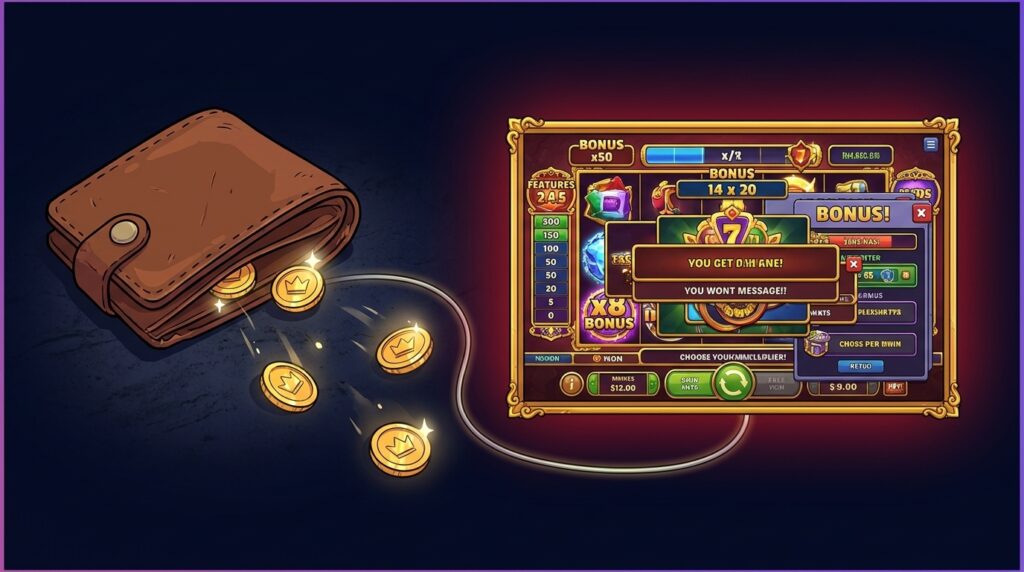
While Bonus Buys can present enticing opportunities for consumers, they also come with a set of drawbacks that warrant careful consideration. Understanding these cons is essential for making informed purchasing decisions.
A. Potential for Overspending
One of the most significant downsides of Bonus Buys is the risk of overspending. Consumers may be lured into purchasing additional features or enhancements that they do not genuinely need or value. The allure of a “limited-time offer” or the fear of missing out on exclusive content can lead to impulsive decisions. This tendency to spend more than originally intended can strain personal budgets and contribute to buyer’s remorse, particularly if the additional features fail to meet expectations.
B. Quality vs. Quantity Debate
Another concern surrounding Bonus Buys is the quality versus quantity debate. While consumers may gain access to more features, these additions do not always equate to an improved experience. In some cases, the extra features may be superficial or poorly implemented, leading to a cluttered interface or a diluted user experience. This proliferation of options can cause overwhelm, making it difficult for users to navigate the core functionalities that initially attracted them to the product or service. Ultimately, the emphasis on quantity can detract from the overall quality of the offering.
C. Impact on Consumer Trust
The prevalence of Bonus Buys can also affect consumer trust. When businesses rely heavily on upselling and promotional tactics, customers may begin to feel manipulated or exploited. This perception can erode the relationship between consumers and brands, leading to skepticism about the value of the original product or service. If consumers believe that they are being pressured into making additional purchases, they may become disenchanted and seek alternatives that prioritize transparency and genuine value over aggressive marketing strategies.
In summary, while Bonus Buys may offer appealing advantages, they also come with significant cons that can impact financial well-being, user satisfaction, and trust in brands. By carefully weighing these downsides, consumers can make more informed decisions about whether the potential benefits of Bonus Buys truly align with their needs and values.
IV. Making the Decision: Is It Worth It?
When it comes to making a decision about whether to invest in Bonus Buys, consumers find themselves at a crossroads. The allure of enhanced features and experiences often tempts users to click that purchase button, but it’s essential to weigh the pros and cons carefully. Here, we will explore key factors that can help individuals make informed choices about Bonus Buys.
A. Assessing Personal Needs and Budget
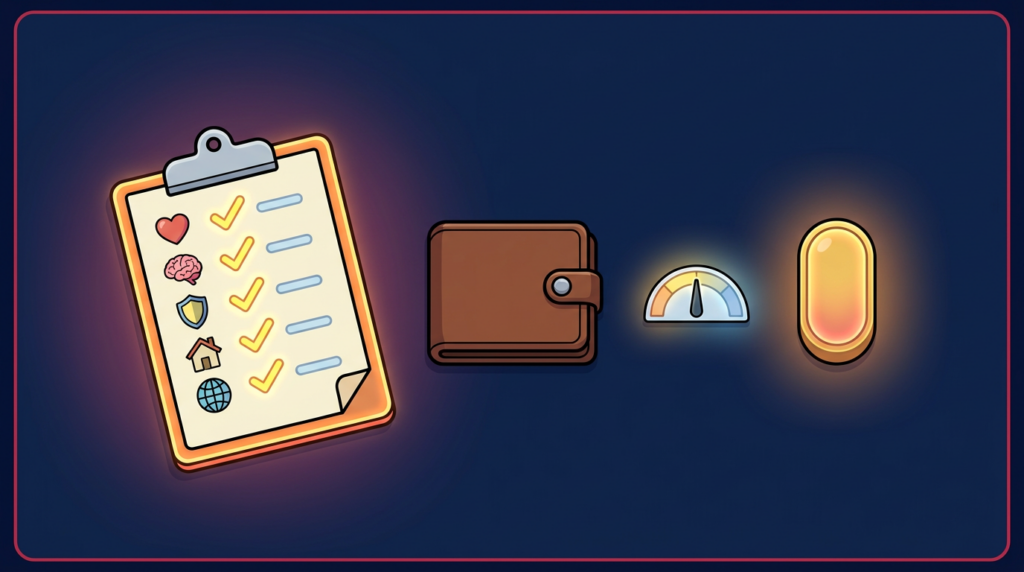
Before diving into a Bonus Buy, it’s crucial to assess personal needs and how they align with the offered features. Consider what you genuinely require from the product or service. For instance, a casual gamer might not need all the premium features available in a game, while a professional user may find them indispensable for optimal performance. Additionally, evaluate your budget. Are you in a position to spend extra on features that might enhance your experience, or would that expenditure stretch your finances too thin? Understanding your priorities and financial situation is the first step toward making a mindful decision regarding Bonus Buys.
B. Evaluating Long-Term Benefits vs. Short-Term Gains

Another critical consideration is the distinction between long-term benefits and short-term gains. Bonus Buys might offer immediate gratification, such as unlocking a new character in a game or accessing premium content in an app. However, it’s important to reflect on the longevity of these benefits. Will the features enhance your experience over time, or will they lose their appeal once the novelty wears off? Conducting a cost-benefit analysis can help clarify whether the initial investment is worth the potential long-term enjoyment and utility. Additionally, consider whether the features could lead to improved productivity or satisfaction in the long run, which might justify the expense. For players looking for alternatives to direct Bonus Buys, exploring free spins as alternative - En free spins bundles can provide a different way to access premium gameplay without additional upfront costs.
C. Alternatives to Bonus Buys
For those hesitant about making a purchase, exploring alternatives to Bonus Buys is essential. Many products and services offer free trials or basic versions that allow users to experience their offerings without committing to additional costs. Taking advantage of these options can provide insight into whether the premium features genuinely enhance the experience. Additionally, research community feedback and reviews to gauge whether others have found value in the Bonus Buys. Engaging with user forums or social media groups can also offer valuable perspectives on whether the investment is justified. Many casinos also provide regular free spins offers - En free spins that serve as a no-risk way to enjoy slot games without committing to a Bonus Buy purchase.
Ultimately, the decision to engage with Bonus Buys is a personal one, shaped by individual preferences, financial considerations, and the perceived value of the additional features. By carefully assessing these factors, consumers can navigate the Bonus Buy dilemma with greater confidence and clarity.
V. Conclusion

In summary, the “Bonus Buy” phenomenon presents a complex landscape for consumers navigating the choice between enhanced features and the potential pitfalls of overspending. As we’ve explored, Bonus Buys can undeniably enrich the user experience by providing access to premium functionalities that may otherwise remain out of reach. These added features often enhance satisfaction and create a perception of greater value, making them appealing to many.
However, it’s critical for consumers to approach Bonus Buys with a discerning mindset. The temptation to spend more can lead to unintentional overspending, and the quality of the features purchased may not always justify the cost. Moreover, the reliance on Bonus Buys can complicate the relationship between consumers and brands, potentially eroding trust if the perceived value does not align with the actual experience.
Ultimately, the decision to invest in Bonus Buys should be guided by individual needs and budgets. It is essential for consumers to weigh the long-term benefits against the short-term allure of premium offerings. For those looking to avoid the pitfalls associated with bonus purchases, exploring alternative options may provide a more balanced approach to achieving desired outcomes without the associated risks.
In the end, whether Bonus Buys are a worthwhile investment depends on the unique circumstances of each consumer. By considering personal priorities and making informed decisions, individuals can navigate the Bonus Buy dilemma and determine what truly adds value to their experience.