
The Golden Rule of Gambling: Never Chase Your Losses
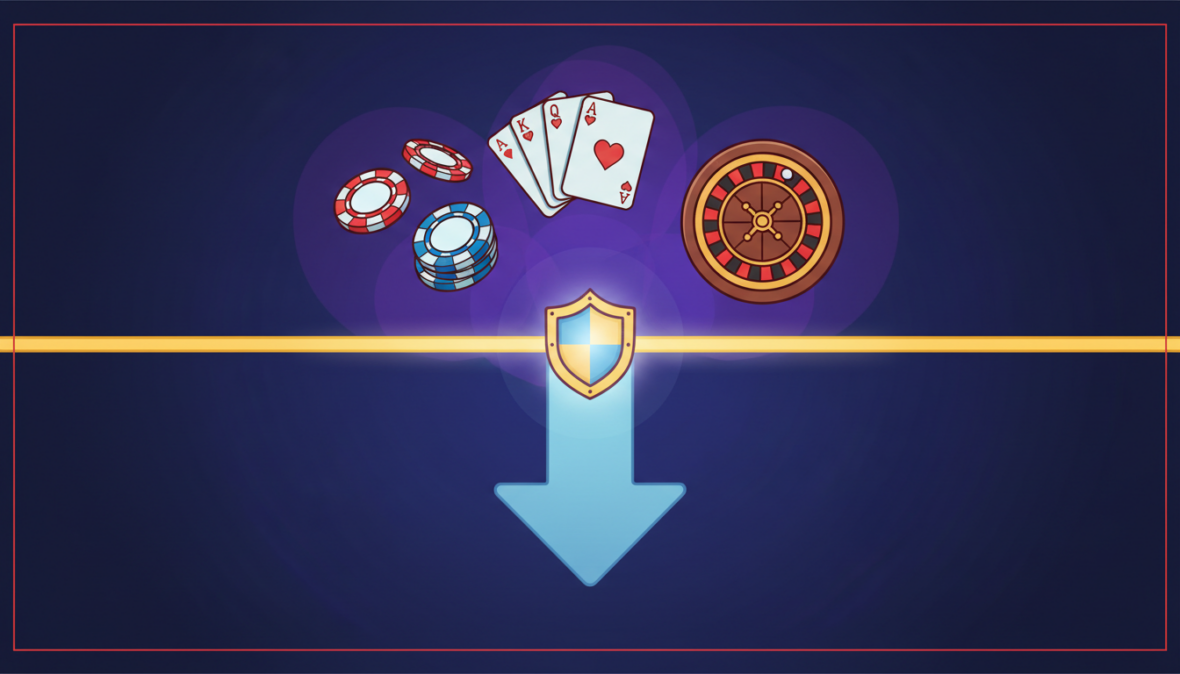
For decades, I’ve navigated the intricate world of gambling, watching trends rise and fall, witnessing fortunes won and lost, and observing the human spirit at its most hopeful and, sometimes, most vulnerable. Through all these experiences, one truth has emerged as an undeniable cornerstone of responsible, sustainable play: the golden rule. It’s a simple phrase, yet its implications are profound, guarding players against one of the most perilous pitfalls in gambling. That rule, etched into the wisdom of every seasoned player, is this: Never chase your losses.
It sounds straightforward, doesn’t it? Common sense, even. Yet, the allure of recovering what’s gone, the burning desire to make things right, can be an incredibly powerful, almost hypnotic force. It’s a force that has led countless individuals down a path of increasing risk, mounting debt, and ultimately, profound regret. As someone who’s seen it all, I want to share why this rule isn’t just good advice, but a fundamental principle for anyone who steps into a casino, logs onto a gaming site, or places a casual wager. This isn’t just about money; it’s about preserving your peace of mind, your enjoyment, and your financial well-being.
What Exactly Does “Chasing Losses” Mean?
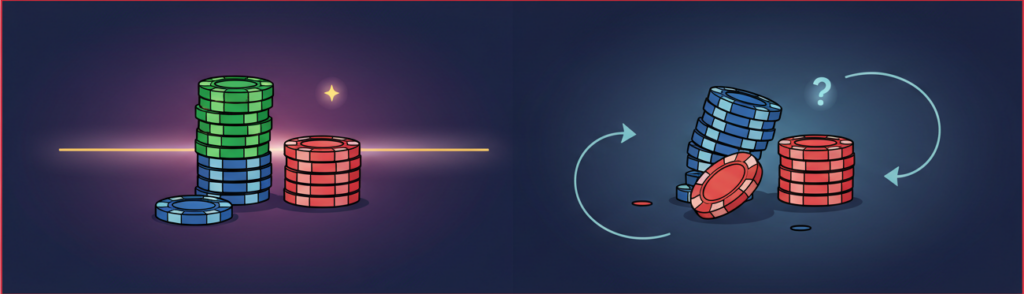
Let’s be clear about what we’re discussing. Chasing losses is the act of continuing to gamble, often with increased stakes, higher frequency, or on different games, solely to try and win back money that has already been lost. It’s a desperate attempt to reverse a negative outcome, driven by emotion rather than logic.
Imagine this: You set aside a specific amount for an evening of entertainment, perhaps at the roulette table. The ball lands on black several times in a row, and your chips dwindle. Instead of accepting the outcome and walking away, a voice in your head whispers, “Just one more big bet. It has to hit red now.” Or perhaps you switch to a slot machine, convinced that a big jackpot there will quickly erase the roulette losses. Maybe you increase your bet size significantly, thinking a larger win will bring you back to even, or even ahead.
This isn’t strategic play; it’s a reactive, often panicked response to a perceived deficit. It transforms gambling from a form of entertainment with inherent risks into a frantic quest for recovery, where the goal shifts from enjoying the experience to desperately trying to break even. This shift in mindset is where the real danger begins.
The Psychological Trap: Why We Chase
Understanding why we chase losses requires a peek into the fascinating, sometimes frustrating, workings of the human mind. Our brains are not always perfectly rational, especially when emotions run high. Several psychological phenomena conspire to make chasing losses an incredibly tempting, albeit destructive, behavior.
The Sunk Cost Fallacy
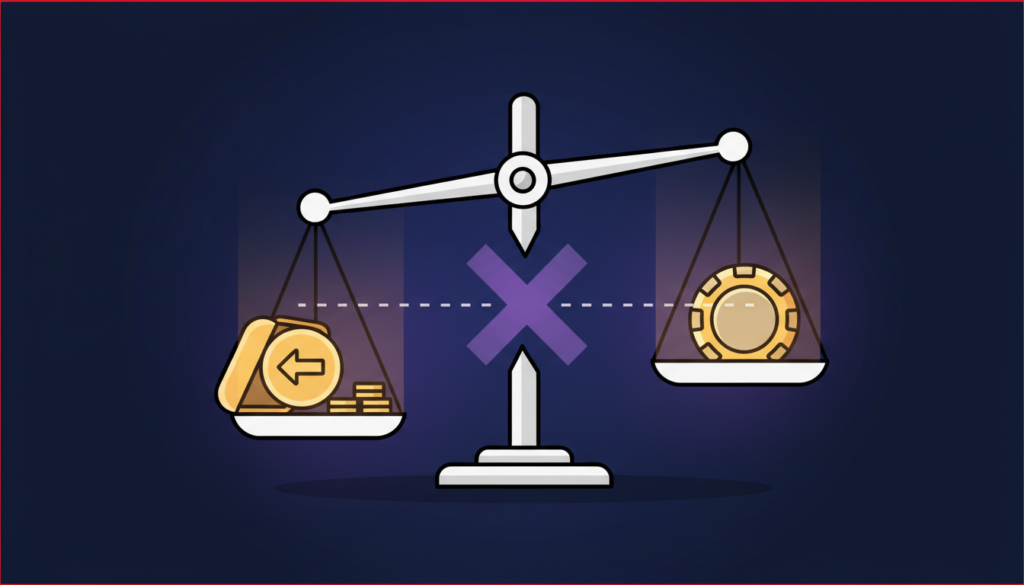
One of the most potent forces at play is the sunk cost fallacy. This is our tendency to continue investing resources (time, money, effort) into something because we’ve already invested so much, even when continuing is clearly not in our best interest. In gambling, it manifests as: “I’ve already lost X amount, I must keep playing to get it back. If I stop now, all that money is truly gone.” The logic feels compelling in the moment, but it’s flawed. The money is already gone. Any future action is an independent event, and throwing good money after bad only compounds the initial loss. The initial investment, or loss, should have no bearing on future decisions, but our minds struggle to accept that.
Confirmation Bias and Selective Memory
Our brains are also masters of selective interpretation. Confirmation bias means we tend to seek out, interpret, and remember information in a way that confirms our existing beliefs or desires. If you believe you’re “due” for a win, you might only remember the times a losing streak did turn around, conveniently forgetting the many times it didn’t, or when increasing bets led to even greater losses.
This goes hand-in-hand with selective memory. We often vividly recall our wins, especially the big ones, and downplay or forget our losses. This creates an inflated sense of our winning capabilities and a skewed perception of our overall performance, making it easier to justify continuing to play when we’re down. The memory of a past big win can fuel the belief that “this time it will happen again,” even when the probabilities remain unchanged.
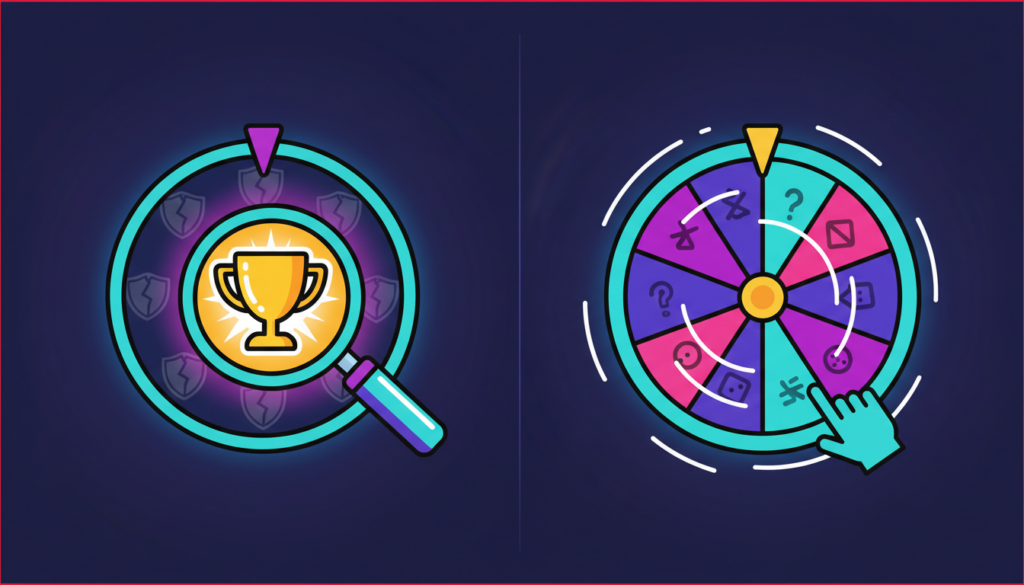
The Illusion of Control
Humans crave control. In situations that are inherently random, like many forms of gambling, we sometimes develop an illusion of control. This can involve believing we have a “system,” that we can “feel” when a machine is hot or cold, or that sheer willpower can influence the outcome. When losses mount, this illusion can intensify. We might feel that if we just “try harder,” “focus more,” or “change our strategy,” we can force a win. This is particularly dangerous because it attributes random events to personal skill or influence, leading to irrational decisions.
Emotional Impulses (Frustration, Desperation, Anger)
Perhaps the most direct drivers of chasing losses are raw emotions. Frustration with a run of bad luck can quickly morph into anger at the game, the dealer, or even oneself. This anger clouds judgment, leading to impulsive decisions. As losses grow, frustration can escalate into desperation, a feeling that you must win, that your financial situation depends on it. In this state, risk aversion plummets, and the player might make increasingly larger, more reckless bets, convinced that a single big win is the only way out. These emotions override rational thought, turning a potentially enjoyable activity into a stressful, damaging experience.
Why Chasing Losses is a Losing Strategy (Mathematically and Practically)
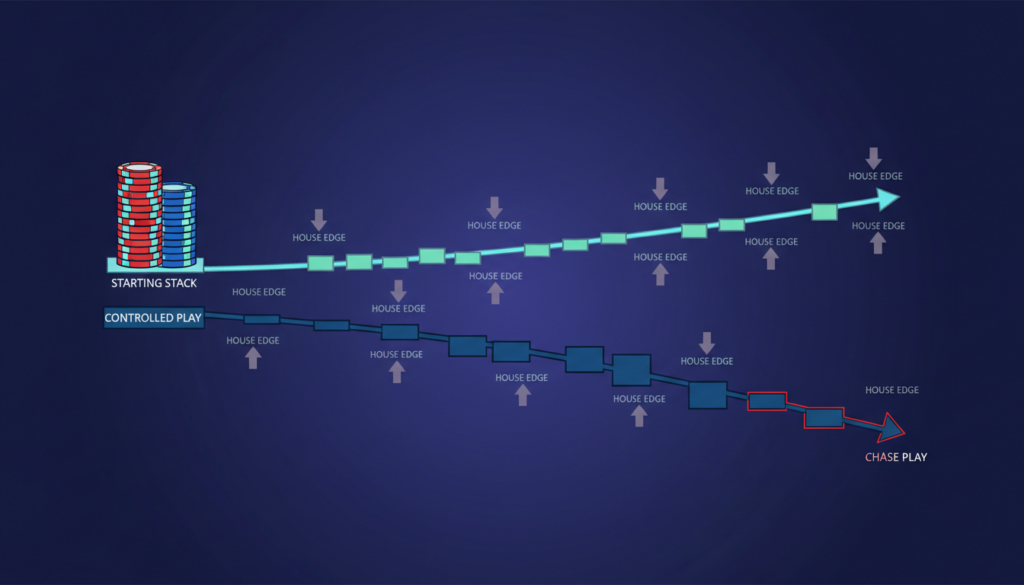
Beyond the psychological traps, the cold, hard reality is that chasing losses is a fundamentally flawed strategy from a mathematical and practical standpoint. It consistently leads to worse outcomes.
Increased Risk, Diminished Returns
When you chase losses, you invariably increase your risk. This usually means placing larger bets than you originally intended or are comfortable with. While a larger bet could result in a larger win, it also means a larger loss if the outcome isn’t favorable. The house edge, that small mathematical advantage casinos hold, doesn’t disappear just because you’re trying to win back money. In fact, by increasing your volume of play and average bet size, you simply expose your bankroll to the house edge more frequently and more significantly, accelerating its depletion. You’re not improving your odds; you’re simply betting more on the same odds.
Rapid Bankroll Depletion
One of the most immediate and devastating consequences of chasing losses is the rapid and often complete exhaustion of your bankroll. When you start betting more than you planned, or playing longer than your allotted time, your funds evaporate at an alarming rate. What might have been a small, manageable loss quickly snowballs into a significant one, sometimes wiping out an entire month’s entertainment budget, or worse, dipping into funds needed for essential expenses. This isn’t just about losing money; it’s about losing control over your finances and creating real-world stress.
The Cycle of Despair
Chasing losses creates a vicious cycle. You lose, you chase, you lose more, you chase harder. This spiral isn’t just financially damaging; it takes a heavy toll on your mental and emotional well-being. The initial excitement of gambling gives way to anxiety, stress, guilt, and even depression. What began as a leisure activity becomes a source of immense pressure and unhappiness. The player becomes trapped in a desperate pursuit that offers diminishing returns and increasing emotional pain, often leading to hiding the extent of their losses from loved ones, further isolating them.
How to Avoid the Chase: Practical Strategies for Responsible Play
Breaking free from the urge to chase losses requires discipline, self-awareness, and a commitment to responsible gambling practices. Here are some actionable strategies that I’ve seen work time and again for players who want to maintain control and enjoy their experience.
Set Strict Limits (Time and Money)
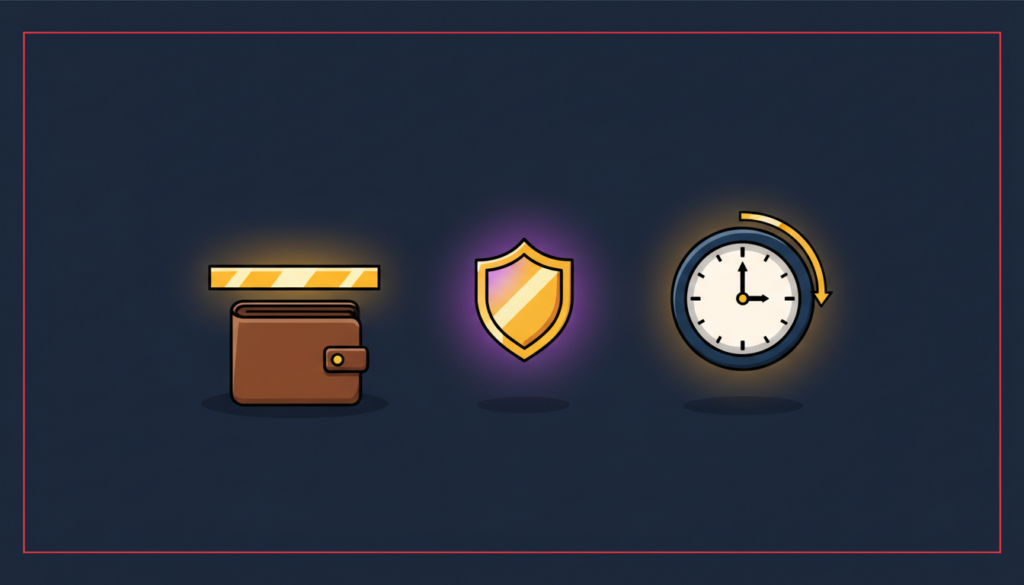
This is perhaps the most crucial strategy. Before you even place your first bet, decide exactly how much money you are willing to lose and how much time you are willing to spend. This is your loss limit and your time limit. Once either of those limits is reached, you stop. No exceptions. It doesn’t matter if you feel “due” for a win, or if the game is “hot.” The limit is the limit. Many reputable online platforms offer tools to help you set these limits directly within your account, such as deposit limits, loss limits, and session time reminders. Use them. They are there to help you maintain discipline when your emotions might otherwise take over.
Bankroll Management: A Foundation for Success
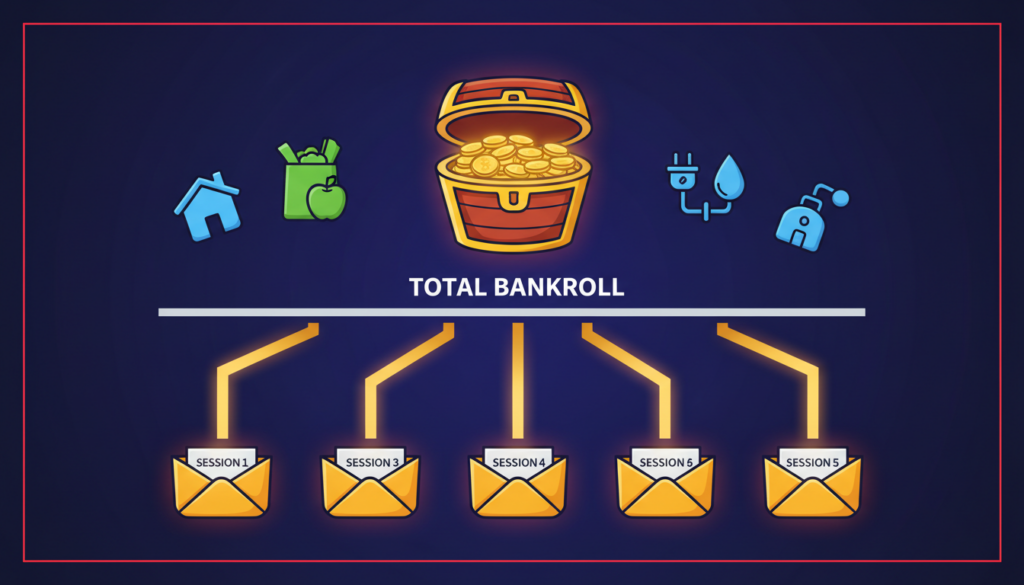
Think of your gambling funds as a separate budget, distinct from your rent, groceries, or savings. This is your bankroll, and it should consist only of disposable income you can comfortably afford to lose without impacting your life. Divide this bankroll into smaller units for each session or day. For instance, if you have $100 for the week, perhaps you allocate $20 for each evening. Once that $20 is gone, it’s gone. This structured approach prevents you from making impulsive decisions and ensures that a bad run doesn’t devastate your overall financial plan. It transforms gambling from an unpredictable free-for-all into a managed form of entertainment.
Understand the Odds (and Your Game)
Acknowledge that gambling games are designed with a house edge. This means, over the long run, the casino will always come out ahead. There is no “system” or “trick” that can consistently beat this mathematical reality. Understanding this helps temper expectations and makes it easier to accept losses as an inherent part of the activity. Learn the rules and basic strategies for the games you play, but don’t fall into the trap of believing you can somehow outsmart probability. Embrace the randomness.
Take Breaks and Step Away
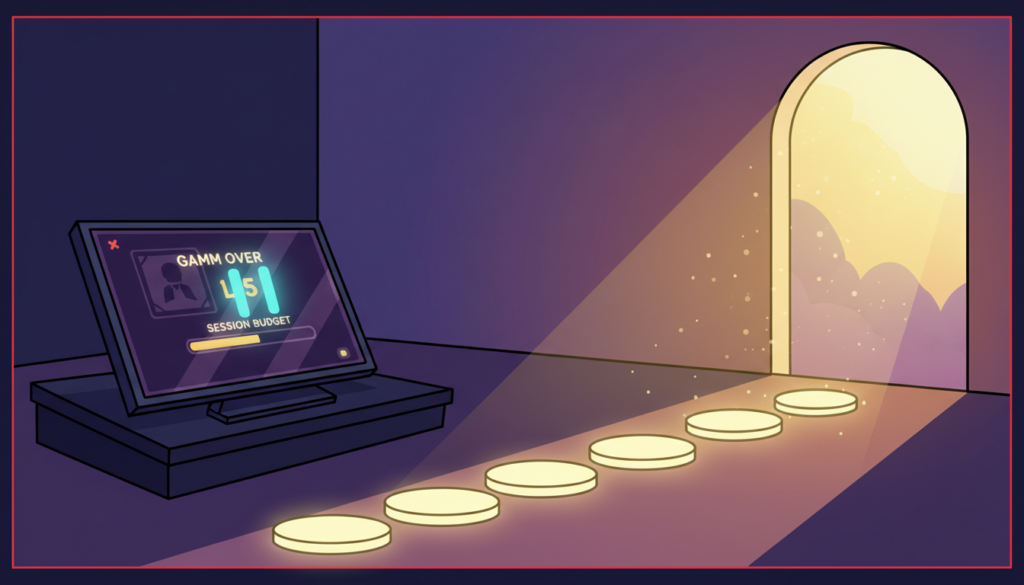
If you find yourself getting frustrated, angry, or desperate, take a break. Step away from the computer, walk away from the table, or even leave the casino entirely. A change of scenery and a mental reset can do wonders for regaining perspective. Sometimes, a short break can clarify your thinking and help you realize that continuing to play is not a wise choice. If you’ve hit your loss limit, the break should become a permanent stop for that session.
Acknowledge and Accept Losses
This is perhaps the hardest, but most liberating, step. Losses are an inevitable part of gambling. They are not a personal attack, a sign of bad luck that must be reversed, or a challenge to your intelligence. They are simply the cost of entertainment when the odds don’t go your way. Learning to acknowledge a loss, accept it, and move on is a hallmark of a responsible and emotionally healthy gambler. It’s about letting go of the outcome and focusing on the experience. For players looking for a softer landing, cashback as safety net - En cashback offers can provide a buffer, returning a percentage of losses over time and making the acceptance of a bad session less painful.
Seek Support if Needed
If you find that chasing losses has become a persistent problem, leading to significant financial hardship, emotional distress, or impacting your relationships, it’s crucial to seek help. There are numerous organizations dedicated to supporting individuals struggling with problem gambling. Reaching out is a sign of strength, not weakness, and it’s the most important step you can take to regain control.
Cultivating a Healthy Gambling Mindset
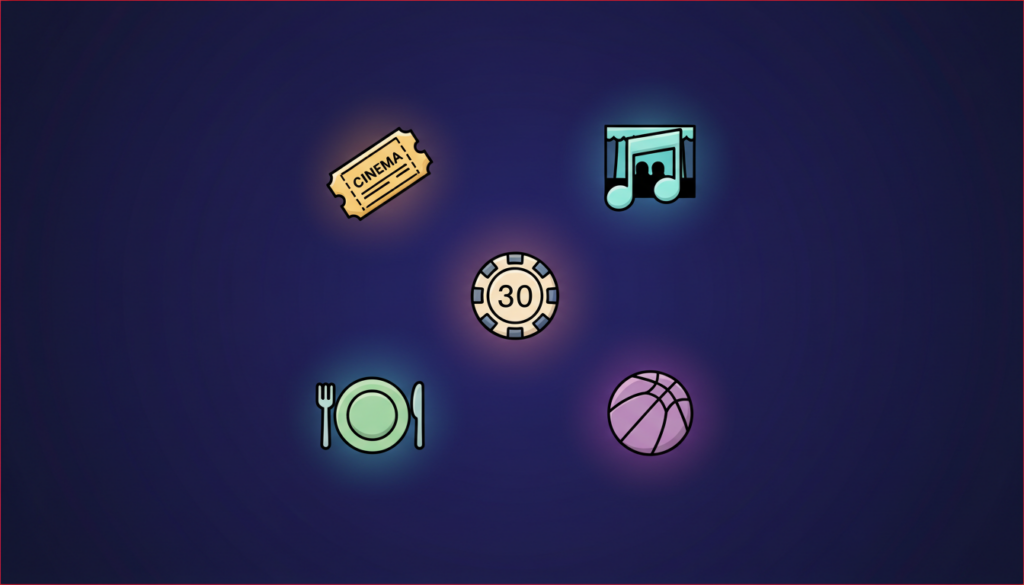
Ultimately, avoiding the chase comes down to cultivating a healthy mindset towards gambling. View it as a form of entertainment, much like going to a movie or a concert. You pay for the experience, and sometimes that experience includes losing money. The goal is enjoyment, excitement, and perhaps the thrill of a win, not a guaranteed profit or a way to solve financial problems.
When you treat gambling as entertainment, the pressure to win disappears. Losses become less painful because they are part of the cost of the fun you had. Wins become a bonus, a pleasant surprise, rather than a desperate necessity. This shift in perspective is the true antidote to the urge to chase. It allows you to walk away, win or lose, with your dignity, your bankroll, and your peace of mind intact. Many players also find that shifting their approach to lower-risk options like play free spins instead - En free spins can help them enjoy the thrill of spinning without the financial pressure that leads to chasing.
The Enduring Wisdom
The golden rule of gambling, “Never chase your losses,” isn’t just a piece of advice; it’s a fundamental principle for longevity and enjoyment in this unique arena. It protects you from the powerful psychological forces that can lead to impulsive decisions and financial distress. By setting clear limits, managing your bankroll, understanding the nature of the games, and cultivating a rational mindset, you empower yourself to gamble responsibly, treating it as the form of entertainment it should be.
Remember, the house always has an edge, but you always have control over your actions. Choose wisely, play smart, and always, always know when to walk away. Your future self will thank you for it. For players who demonstrate consistent responsible play, many platforms offer loyalty rewards for responsible play - En loyalty program perks, creating a positive feedback loop that encourages sustainable gambling habits.