
Cashback vs. Reload Bonuses: Which Recurring Offer Saves You More?
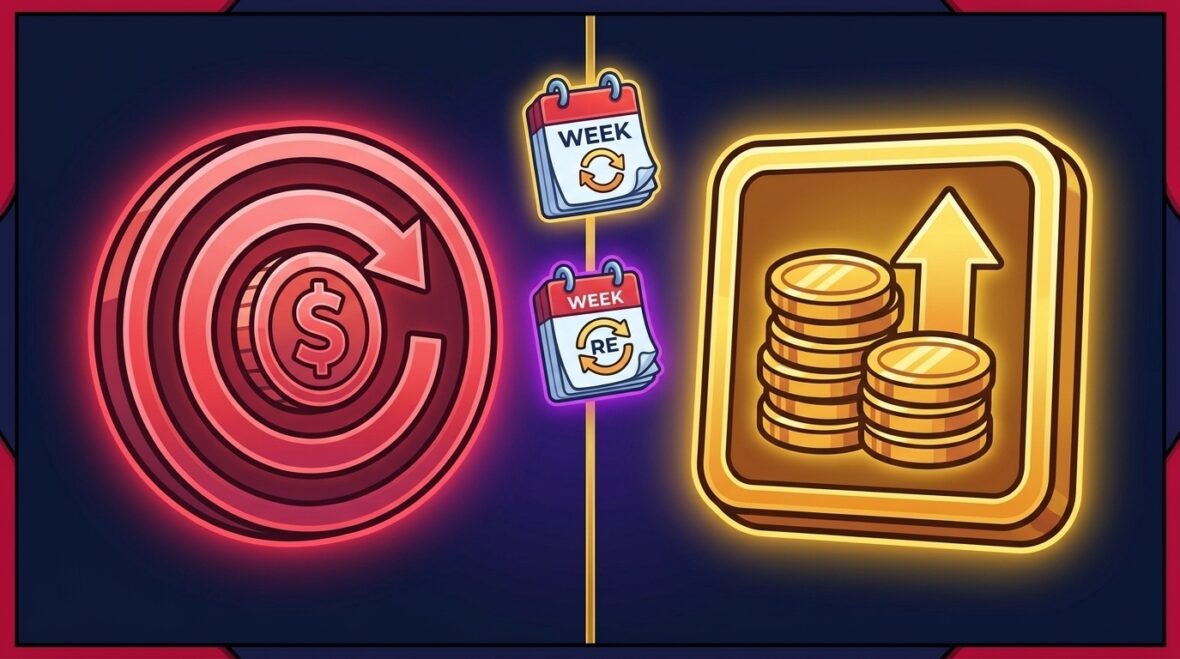
I track every recurring promo I claim in a spreadsheet, mostly because I got tired of guessing which weekly offer actually helped my bankroll versus which one just felt good to claim. Cashback and reload bonuses show up constantly in my inbox, and for a long time I treated them as roughly interchangeable. They’re not, and once I broke down the actual mechanics, my weekly routine changed quite a bit.
How Cashback Works
Cashback works by returning a percentage of my net losses over a set period, usually calculated weekly. If I lost two hundred dollars over the week and my site offers ten percent cashback, I get twenty dollars credited back, regardless of how I performed on any individual session. I check a current list of cashback offers - En cashback offers most Sunday nights, since that’s usually when weekly totals reset and new terms roll out.
What I like about cashback is that it only pays out when I’ve actually lost money, which means it functions more like a loss rebate than a traditional bonus. On weeks where I’ve had a good run and I’m up overall, I don’t get anything from a cashback offer, and that’s fine because I didn’t need the cushion that week. On weeks where variance goes against me, that percentage back softens the blow in a way I’ve come to genuinely appreciate.
How Reload Bonuses Work
Reload bonuses work completely differently, since they’re tied to a fresh deposit rather than my previous losses. I put in money, the site matches a percentage of that deposit, and I get bonus funds to play with regardless of how my prior sessions went. A fifty percent reload on a hundred dollar deposit gives me fifty dollars in bonus credit immediately, win or lose beforehand.
The immediate appeal of a reload bonus is that boost happens the moment I deposit, not after a week of tracked losses. If I want to jump into a session tonight with extra bankroll, a reload bonus delivers that instantly. Cashback, by comparison, requires patience since I have to wait for the calculation period to close before anything gets credited to my account.
Comparing Wagering Requirements
Wagering requirements attach to both offer types, but I’ve noticed they tend to differ in size between the two. Cashback wagering requirements are often lower, sometimes as low as 1x or 5x, since the operator is essentially just returning money I already lost rather than adding fresh promotional funds. Reload bonus wagering tends to run higher, frequently landing in the 25x to 40x range, similar to a standard welcome offer.
Doing the Math
That difference in wagering multiplier matters more than people initially realize when comparing the two side by side. A twenty dollar cashback credit with 5x wagering only requires one hundred dollars in total bets before I can withdraw it. A fifty dollar reload bonus with 35x wagering requires seventeen hundred and fifty dollars in wagering, which is a completely different time and risk commitment even though the dollar amount looks larger on paper.
I run this same math every time before deciding which offer to prioritize on a given week. I take the bonus amount, multiply by the wagering requirement, and compare that total wagering target against how much time and bankroll I’m actually willing to commit. More often than I expected going in, the smaller cashback offer turns out to be the better value once wagering is factored into the comparison.
Frequency and Effort
Frequency is another factor that tips things in cashback’s favor for me personally. Since it’s calculated automatically off my regular play, I don’t have to remember to claim anything or time a deposit around a promotional window. Reload bonuses usually require me to actively opt in or use a specific bonus code, and I’ve missed offers before simply because I deposited without checking the promotions page first.
I make a habit now of checking the reload bonuses - En reload bonuses page before I make any deposit larger than my usual amount, specifically to see if there’s an active promotion I’d be leaving on the table otherwise. This single habit has probably added more free bonus value to my account over the past year than any single big win I’ve had on a slot. It takes thirty seconds and it’s saved me from depositing on a day with no active promo when waiting one more day would have unlocked one.
Loss Thresholds and Caps
Loss Thresholds
Loss thresholds on cashback offers are worth checking closely too, since some operators only pay out once your net losses cross a minimum amount. If the threshold is set at fifty dollars and I only lost thirty over the week, I get nothing even though a cashback offer is technically active on my account. I’ve started tracking my weekly net position specifically so I know whether I’m actually on pace to qualify before the week closes.
Maximum Cashback Caps
Maximum cashback caps function similarly to the caps I’ve seen on other bonus types, limiting how much I can receive even if my losses would technically qualify for more. A ten percent cashback offer capped at fifty dollars means any losses beyond five hundred dollars in a week stop generating additional cashback value. I check this cap specifically on weeks where I know I’m playing more aggressively than usual, since it changes how much additional value I’m actually getting from the promotion.
Payment Method Considerations
Payment method sometimes affects which of these promotions I qualify for, which caught me off guard the first time I ran into it. Some operators restrict certain reload bonuses to specific deposit methods, offering a slightly higher match percentage for e-wallets over card deposits, for example. I now check payment-specific terms alongside the standard reload offers, since picking the right deposit method for that particular transaction can bump my match percentage up a few points for no extra effort.
Timing my deposits around these payment-specific promotions has become part of my regular routine rather than an afterthought. If two payment methods both work fine for me personally, I default to whichever one currently carries a bonus incentive attached to it. It’s a small optimization, but across a year of regular deposits, those extra percentage points add up to a meaningful amount of additional bonus funds.
Stacking Cashback and Reload Offers
I’ve also noticed that cashback and reload bonuses can sometimes be combined or stacked in the same week, depending on the operator’s specific terms. When that’s allowed, I prioritize claiming both rather than picking one over the other, since there’s no real downside to accepting a lower-wagering cashback credit alongside a separate reload match. I always double check the terms first though, since some sites explicitly restrict combining active promotions and will void one if I try to claim both without reading the fine print.
My Overall Preference
My overall preference leans toward cashback for its lower wagering burden and lack of any effort required to claim it. Reload bonuses still have their place though, particularly when I’m planning a bigger deposit and want extra bankroll for a specific session I’ve already decided to play. Neither one is universally better, and the right answer really depends on how much wagering I’m willing to commit to relative to the bonus size on offer that particular week.
What’s made the biggest difference for me isn’t picking a permanent favorite between the two, it’s running the same quick calculation every single time before deciding where my deposit goes. Bonus amount, wagering multiplier, any caps or thresholds attached, and how that compares against a comparable offer of the other type. That five-minute check has turned recurring promotions from something I claimed on autopilot into a real, measurable part of how I manage my bankroll month to month.
Tier-Based Cashback Structures
Tier-based cashback structures are worth a specific mention, since a lot of operators now scale the percentage based on how much I’ve deposited or played over a given period. A casual player might only qualify for five percent cashback, while someone depositing more regularly could see that climb to fifteen or even twenty percent at a higher tier. I’ve watched my own cashback rate increase over time simply by staying consistent with one operator rather than spreading my deposits thin across several sites.
That tier progression changed how I think about loyalty to a single platform versus chasing the best welcome offer everywhere I go. Bouncing between operators for one-time bonuses means I never climb high enough on any single cashback tier to see the bigger percentages. Sticking with one or two trusted sites has actually worked out better for my long-term cashback value, even though it means passing on some flashy first-deposit offers elsewhere.
Tiered Reload Bonuses
Reload bonuses can carry tiered structures too, though I’ve seen this less often than with cashback programs. Some operators offer a bigger match percentage on your second or third reload of the week compared to your first, encouraging more frequent deposits rather than one large one. I check for this specifically before splitting a deposit into smaller chunks, since a series of smaller reloads can sometimes out-earn one large deposit if the tiering rewards frequency over size.
Minimum Deposit Thresholds
Currency and minimum deposit thresholds also shape which of these offers makes more sense for my typical budget. A reload bonus with a fifty dollar minimum deposit requirement doesn’t help much if my usual top-up is twenty dollars, since I simply won’t qualify without depositing more than I planned. Cashback offers rarely carry a minimum deposit requirement in the same way, since they’re calculated off losses rather than triggered by a specific deposit amount, which makes them more accessible regardless of how much I typically play with.
How I Compare Two Offers
I’d tell anyone comparing these two offer types for the first time to start by pulling up both sets of terms side by side rather than judging from the promotional email alone. The percentage number on its own tells you almost nothing about real value without the wagering multiplier, any caps, and the qualifying threshold sitting next to it. Once you get in the habit of checking all four numbers together, picking between cashback and a reload match stops being a guess and starts being an actual calculation you can trust.
Payout Speed Matters Too
I keep a running note of which operators pay their cashback promptly versus which ones drag their feet or require a manual claim through support. This matters more than it sounds, since a generous cashback percentage means little if the credit takes two weeks to actually land in my account. A handful of sites I’ve used process cashback automatically every Monday morning without me lifting a finger, and those are the ones I’ve stuck with for this particular type of offer.
Reload bonuses have generally been more consistent about timing in my experience, since the match usually credits within minutes of the qualifying deposit clearing. That reliability is part of why I still reach for a reload bonus when I want extra bankroll for a specific session I’ve already planned, especially when I’ve picked a deposit method listed on the payment method bonuses - En payment method bonuses page. Cashback remains my preference for the ongoing, background value it adds over a full month of regular play, while reload bonuses stay useful for those moments when I want an immediate, predictable boost tied to a deposit I’m already making anyway.