
Mobile Casino Gaming: App vs. Browser Play and What It Means for Your Bonuses
I played almost exclusively on my laptop for the first couple of years I gambled online, mostly out of habit rather than any real preference. Switching most of my sessions to my phone changed more than just where I was sitting when I played. It changed which bonuses I could access, how quickly I could deposit, and honestly how much I ended up playing overall.
App Versus Browser: The Basic Trade-Off
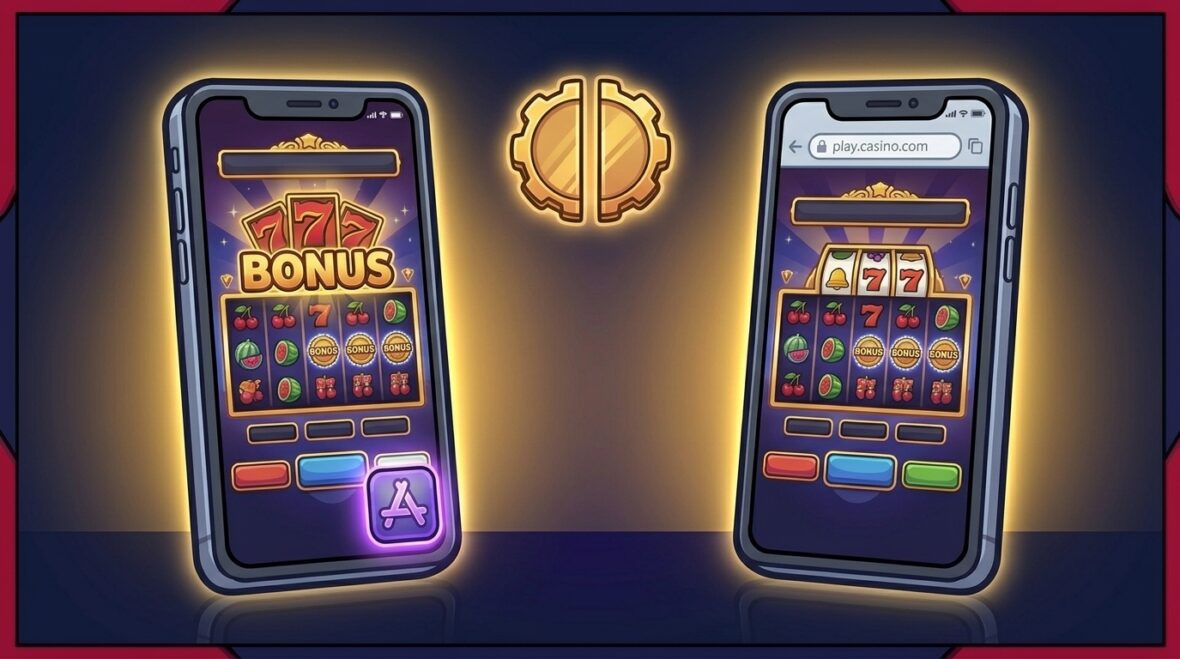
Dedicated casino apps, where operators offer them, tend to load faster and run smoother than a mobile browser session, since they’re built specifically for the device rather than adapted from a desktop site. I’ve noticed noticeably less lag on bonus round animations through a native app compared to the same game running in Chrome or Safari on my phone. Checking a current list of casino bonuses - En top casinos en before choosing where to download an app has become part of my routine, since not every operator’s app carries the same promotions as their browser version.
Browser play, on the other hand, doesn’t require downloading anything or using up storage space on my phone, which matters if I’m testing a new site I’m not sure I’ll stick with. I can also switch between operators far more easily in a browser, just by opening a new tab, rather than juggling several separate apps. My general approach now is to browser-test a new site first and only commit to downloading their app once I know I’ll actually be playing there regularly.
Platform Restrictions on Apps
Real-money gambling apps face restrictions on the major app stores that free-to-play games don’t, which is why a lot of operators distribute their native apps directly from their own website rather than through Google Play or the Apple App Store. I was cautious the first time I downloaded an app this way, since it felt less official than a standard app store install. Once I confirmed the operator was properly licensed and the download link came directly from their verified site, it’s become a routine part of setting up a new account.
iOS in particular has been stricter about hosting real-money gambling apps directly in the App Store compared to Android, which has pushed more iPhone users toward browser play or direct downloads through a provisioning profile. I’ve found the direct-download process on iOS slightly more involved than on Android, requiring an extra trust setting in my phone’s settings the first time. It’s a minor inconvenience, but worth knowing about before you assume the process will be as simple as a normal app install.
How Mobile Changes Session Length and Style
My mobile sessions run noticeably shorter than my desktop sessions, usually ten to twenty minutes compared to a longer, more deliberate hour at my laptop. That shift has changed which games I reach for on my phone, favoring quicker, more visually punchy titles over slower-paced classics I might choose for a longer desktop session. I’ve adjusted my volatility preferences accordingly, generally sticking to lower or medium volatility titles for these shorter mobile bursts.
The convenience of mobile play has also increased how often I play overall, since I’m no longer limited to sessions at my desk. Waiting rooms, commutes, and other small gaps in my day have turned into casual play windows that simply didn’t exist when desktop was my only option. I’ve had to be more deliberate about setting session limits specifically because of how easy it’s become to open the app for “just a few minutes” more often than I used to play on desktop.
Touch Controls and Interface Design
Games designed well for mobile use larger touch targets and simplified interfaces compared to their desktop counterparts, which makes a real difference in how comfortable a session feels on a smaller screen. I’ve noticed a big gap in quality between titles clearly built mobile-first and older games that were simply ported over from desktop without much adaptation. The ported titles often have tiny buttons that are frustrating to tap accurately, especially during a fast-paced bonus round.
Auto-play and turbo spin features, common on both platforms, feel more natural to me on mobile specifically because tapping repeatedly is less comfortable than clicking with a mouse. I use auto-play more often during mobile sessions as a result, though I still set a loss limit before enabling it so a distracted commute doesn’t turn into an expensive one. That’s a habit I’d recommend to anyone who finds themselves reaching for auto-play more on mobile than they would at a desktop.
Mobile-Specific Bonuses
Some operators run promotions specifically for mobile app users, sometimes offering exclusive free spins or a slightly better match percentage as an incentive to download the app rather than sticking with browser play. I’ve claimed a few of these mobile-exclusive offers and found the terms generally comparable to standard promotions, just gated behind the app download. It’s worth checking whether a site runs this kind of incentive before assuming browser and app users get identical treatment.
Push notifications through a native app have also alerted me to time-sensitive promotions I would have otherwise missed browsing casually through email. I’ve turned these on selectively, only for the one or two operators where I actually want that level of engagement, since too many notifications quickly becomes noise I start ignoring entirely. Being selective about which apps I allow to notify me has kept this feature useful rather than annoying.
Connectivity and Session Interruptions
Mobile play introduces a connectivity risk that desktop sessions rarely deal with, since switching from wifi to cellular data mid-session, or losing signal entirely, can interrupt a spin or a bonus round at an inconvenient moment. I’ve had a session freeze mid-bonus-round because of a dropped connection on public wifi, which was stressful until I confirmed with support that my spin state was preserved and resumed correctly once I reconnected. Most reputable operators handle this gracefully, but I now avoid playing on unstable public networks specifically to sidestep the issue.
Battery life is a smaller but real consideration too, since graphically intensive mobile slots can drain a phone noticeably faster than lighter titles. I keep a charger nearby during any longer mobile session now, after a bonus round got cut short by my phone dying at an inconvenient moment. It’s a small practical detail, but one that’s actually affected a session outcome for me before.
Depositing and Withdrawing on Mobile
Mobile deposit flows have generally been smoother for me than I expected, especially through e-wallet apps that can autofill payment details directly from my phone rather than requiring manual card entry. That speed has occasionally worked against my own discipline, since a deposit that takes ten seconds is a lot easier to make impulsively than one requiring me to dig out a physical card. I’ve had to be more intentional about deciding my deposit amount before I open the app, rather than deciding in the moment.
Withdrawal processes haven’t differed much between mobile and desktop in my experience, since both typically route through the same backend verification systems regardless of which device I initiated the request from. I have noticed mobile apps sometimes surface withdrawal status updates through push notifications faster than I’d otherwise think to check on desktop. That’s a small but genuinely convenient difference in favor of mobile once a withdrawal is actually in progress.
My Bottom Line
I’ve settled into using both platforms depending on the situation rather than picking one exclusively, browser play for testing new sites and quick, unplanned sessions, and a downloaded app for the two or three operators where I play most regularly. Checking whether a promotion applies equally across both platforms before assuming it does has saved me from a couple of mismatched expectations early on. Mobile hasn’t replaced desktop play for me entirely, but it’s become the default for the majority of my casual sessions, and understanding these platform differences has made that shift a lot smoother than it would have been otherwise.
Screen Size and Game Selection
Not every slot translates well to a smaller screen, and I’ve learned to notice the difference within the first few spins of a new title on mobile. Games with dense paytables or a lot of simultaneous on-screen information can feel cramped on a phone in a way they never do on a desktop monitor. I’ve dropped a handful of titles from my mobile rotation entirely, purely because reading the reels comfortably required squinting in a way that wasn’t worth the trade-off.
Turning the phone sideways has helped with this for a lot of titles, giving noticeably more horizontal space for wider reel grids or Megaways-style configurations. I default to that sideways, widescreen view now for anything with an unusually wide layout, even though it means holding my phone differently than I would for a quick vertical session. It’s a small adjustment that’s made a real difference in how enjoyable wider-format games feel on a phone screen.
Tablet Play as a Middle Ground
I’ve started using a tablet for some sessions specifically because it splits the difference between phone and desktop reasonably well. The larger screen makes dense paytables and wider reel grids much easier to read than on my phone, while still offering the portability that got me into mobile play in the first place. I wouldn’t say a tablet has replaced either my phone or my laptop entirely, but it’s become a genuinely useful third option for longer sessions where I still want to be comfortable on a couch rather than at a desk.
Most operators’ apps and browser sites scale reasonably well to tablet screens without needing a separate dedicated version, which surprised me the first time I tried it. The interface elements sized for phone touch targets end up feeling appropriately proportioned on a tablet rather than oversized or awkward. That smooth scaling has made tablet play an easy addition to my routine, and it’s on this larger screen that I actually bother reading the full terms on a free spins on deposit - En free spins on deposit offer before claiming it, rather than skimming past the details on my phone.
Notifications and Staying in Control
The always-on nature of a phone changes my relationship with these apps in a way desktop play never quite managed to. A laptop stays closed unless I deliberately open it, but a phone sits in my pocket buzzing with notifications throughout the day, which makes intentional limits genuinely more important on mobile than anywhere else. I’ve turned off promotional push notifications entirely on two apps where I found myself opening a session just because a banner popped up, not because I’d actually planned to play.
Setting a daily time limit through my phone’s own screen-time tools, applied specifically to gambling apps, has been one of the more useful adjustments I’ve made since shifting most of my play to mobile. It doesn’t stop me from playing, but it forces a deliberate override rather than letting a five-minute session drift into forty-five minutes without me really noticing. I’d recommend this to anyone who’s found their mobile sessions running longer than they intended, since the friction of that extra step alone has changed my habits more than I expected it to.