
Why I Turned Off Autoplay (And What Changed)

I hit the autoplay button for the first time out of pure laziness, not because I’d thought it through. It was late, I was tired, and clicking spin forty times in a row felt like more effort than the moment deserved. That lazy click cost me more than I realized at the time, and it took months before I noticed the actual pattern behind it.
Autoplay does exactly what it promises. You set a number of spins, maybe a loss limit if the game offers one, and then you watch the reels cycle without lifting a finger. For a while I figured that convenience was a pure upgrade over manual spinning, no real downside attached to it at all.
The Speed Problem I Didn’t See Coming
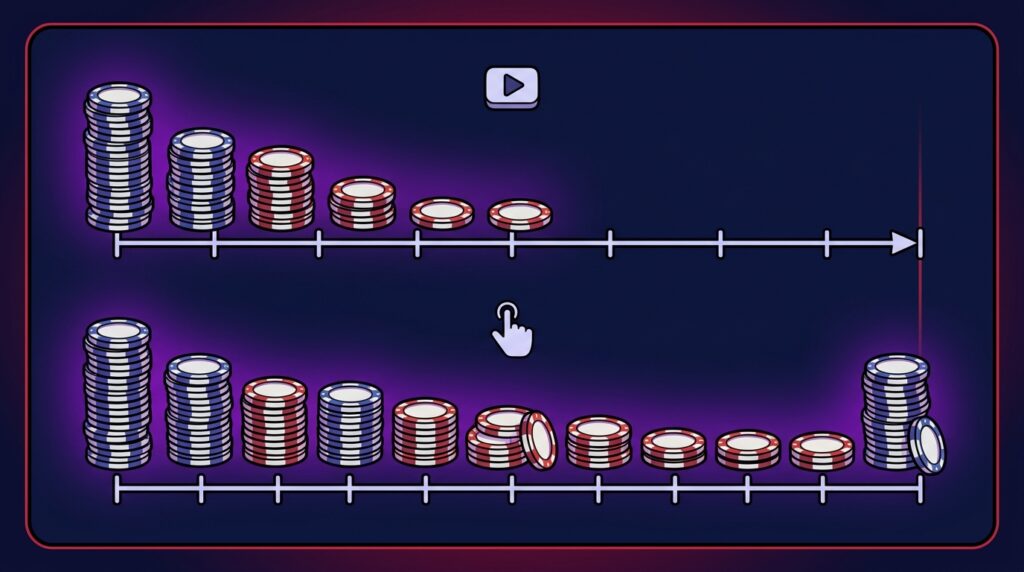
What I didn’t account for was how much faster autoplay burns through a session budget compared to spinning manually. When I click spin myself, there’s a natural pause between rounds, a second or two where I glance at the balance or think about whether to keep going. Autoplay removes that pause entirely, and forty spins that would’ve taken me ten minutes by hand were suddenly done in three.
That speed matters more than it sounds like it should. I budget most sessions around the reload bonus page - En reload bonuses offers I’m working through that week, and those offers usually come with a wagering target I’m trying to clear efficiently. Autoplay felt like the efficient choice on paper, but it also meant I hit my loss limit for the night in a fraction of the time, with far less awareness of how I got there.
Losing Track of the Number
I started noticing that I couldn’t recall how many spins I’d actually run once autoplay was managing the count for me. When I spin manually, some part of my brain is keeping a rough tally, even if I’m not consciously counting. With autoplay handling it, that tally just disappeared, and I’d look up to find I’d gone through triple the spins I remembered agreeing to.
The Stop-Loss Illusion
Most autoplay menus let you set a loss limit that halts the run automatically, and I leaned on that feature as a safety net for longer than I should have. The problem is that a stop-loss only protects the number you typed in, not the decision to reload and start another autoplay run right after it triggers. I’d hit my limit, feel that little jolt of “okay, that’s enough,” and then immediately queue up another fifty spins anyway.
What Manual Spinning Actually Gave Me Back
Once I went back to clicking spin myself, the first thing I noticed was how much more present I felt during a session. Each spin became a small decision point rather than one long, passive stretch of watching numbers change. I started actually reading the win amounts instead of letting them blur past in a rapid sequence.
That awareness changed how I reacted to volatility swings too. On a manual session, a rough stretch of empty spins registers as a series of individual disappointments, which somehow makes it easier to decide to stop. On autoplay, that same rough stretch just looked like a number ticking down on a screen, detached from any single moment I could point to and say “that’s where I should’ve walked away.”
Slower Sessions, Better Memory
My sessions run noticeably longer in real time now, which sounds like a downside until I factor in that I’m spending less money per minute of entertainment. A slower pace means my bankroll stretches across a longer evening, and I remember more of what actually happened during it. I can tell you which spins felt tense, which bonus round disappointed me, and which one paid off, instead of a vague blur of “I played for a while and ended up down.”
I’ll admit manual spinning isn’t for everyone, and I don’t think people who prefer autoplay are doing anything wrong by default. If you’re someone who sets a hard limit and actually respects it once it triggers, autoplay can be a genuinely useful tool rather than a trap. My issue was specifically that I didn’t respect my own limits, and autoplay made that weakness much easier to indulge.
Where Autoplay Still Makes Sense to Me
I haven’t sworn off autoplay completely, because there are situations where it still earns its place in my rotation. Low-stakes sessions on games I already know well are one example, especially when I’m testing out something unfamiliar and just want a quick feel for the pacing before committing real attention to it. In that context, a short autoplay run tells me what I need to know without demanding much focus.
I’ve also found autoplay useful for grinding through a wagering requirement on a bonus that’s already fully understood and budgeted for in advance. If I know exactly how much I’m spending, exactly what the target is, and I’ve already decided the outcome doesn’t change my plans either way, letting the reels run on their own doesn’t carry the same risk it once did. The difference now is that decision happens before I start, not somewhere in the middle of an unplanned session.
Setting Rules Before Starting
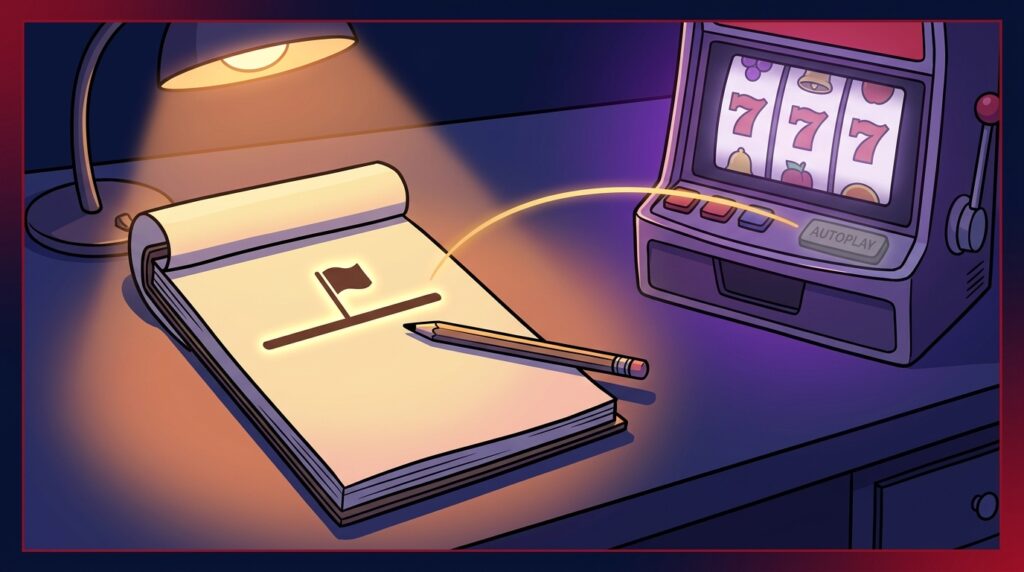
The rule I’ve settled on is simple: autoplay only gets used when I’ve already decided my stopping point before pressing the button, in writing if I have to. If that decision hasn’t been made yet, I spin manually until it has been. It sounds almost too basic to matter, but that one change has done more for my bankroll discipline than any strategy article I’ve read.
How This Changed My Relationship With Bonuses
Slower, more deliberate sessions also changed how I evaluate offers before claiming them. I used to grab almost anything that showed up while browsing the casino bonuses list - En casino bonuses, figuring autoplay would clear the wagering fast enough that the terms barely mattered. Now I actually read the requirements first, because I know I’ll be spinning through them manually and want to be sure the math works in my favor before I start.
That shift made me pickier in a good way. A bonus with a steep wagering multiplier used to look fine because I’d blast through it on autoplay without really feeling the grind. Spinning manually makes that grind tangible, and tangible grind is a much better filter for deciding whether an offer is actually worth claiming in the first place.
The Mental Fatigue Nobody Talks About
One thing that surprised me was how much less mentally tired I felt after switching back to manual play, which seems backwards given that autoplay is supposed to be the low-effort option. I think what happened is that autoplay sessions left me staring at a screen passively for longer stretches, and passive screen time is its own kind of exhausting in a way that active engagement isn’t. Manual sessions end when I decide they end, and that sense of control seems to matter more for how drained I feel afterward than the actual time spent playing.
I’ve talked to a few other players about this since, and the reactions split pretty evenly. Some people find autoplay relaxing precisely because it removes the decision-making, and for them that passive stretch is the appeal rather than a problem. I don’t think either approach is objectively correct, it just depends on whether repetitive clicking or hands-off watching is the thing that actually helps you unwind.
What I’d Tell Someone Just Starting Out
If you’re new to slots and trying to decide whether autoplay is worth using, I’d say try both approaches deliberately rather than defaulting to whichever one requires less effort in the moment. Play a session manually and pay attention to how it feels to make each spin decision yourself. Then try an equivalent autoplay session with a strict pre-set limit and compare how much you remember, how much you spent, and how in control you felt by the end.
The answer won’t be the same for everyone, and that’s fine. What matters is that you’re choosing the method on purpose instead of drifting into autoplay out of the same laziness that got me hooked on it in the first place. I still catch myself reaching for that button on tired nights, but now I at least stop and ask whether I’ve actually decided when to quit before I let the reels take over.
The Speed Setting I Never Adjusted
Most autoplay menus also let you adjust how fast each spin resolves, and for a long time I never touched that setting either. The default speed on most games is already brisk, and autoplay tends to nudge it even faster once it’s running a batch of rounds back to back. I eventually tried slowing that setting down deliberately, and it made a noticeable difference even while autoplay was still technically doing the clicking for me.
A slower animation speed meant I actually watched each spin resolve instead of tuning out while the numbers cycled. It’s a smaller fix than turning autoplay off entirely, and I’d recommend it to anyone browsing new slot releases - En new slot promotions who still wants convenience but is looking for a middle ground. It won’t solve the core problem of losing track of your spin count, but it does soften the trance-like quality that fast autoplay sessions tend to produce.
A Session That Made the Difference Click
The session that finally convinced me to change things happened on an ordinary Tuesday, nothing special about the game or the stakes. I’d set autoplay for what I thought was a modest fifty spins, glanced at my phone for what felt like thirty seconds, and looked back up to find the run had already finished and reloaded itself twice. I hadn’t set it to auto-restart on purpose, but some setting I’d clicked through without reading had enabled exactly that.
That one moment did more to change my habits than any article or forum post ever had. It wasn’t a huge loss in absolute terms, but the gap between what I intended and what actually happened was jarring enough to stick with me. I went back to manual spinning the very next session and never fully switched back.
Talking to Other Players About It
Since making the switch, I’ve asked a handful of people in casino forums and Discord servers how they use autoplay, partly out of curiosity and partly to sanity-check my own experience. The responses were more varied than I expected going in. A few people track their spin count manually even with autoplay running, which honestly hadn’t occurred to me as an option, and it seems to solve the awareness problem without giving up the convenience entirely.
Others use autoplay exclusively for very short bursts, ten spins at a time rather than fifty or a hundred, treating it more like a slight time-saver than a full hands-off tool. That approach seems to strike a reasonable balance, keeping the pace fast enough to feel efficient while still stopping frequently enough that a bad run gets noticed before it spirals. I’ve started borrowing that habit myself on the rare occasions I do use autoplay now.
None of these approaches is universally right, and I’ve stopped trying to convince people that manual spinning is the only correct way to play. What matters more than the specific method is whether you can honestly say you know how many spins you’ve run and why you’re still going. That’s the test I failed for years without realizing it, and it’s the one I actually pass now.
My Bottom Line
Turning off autoplay didn’t fix every bad habit I had around slots, and I don’t want to oversell it as some kind of cure. What it did was slow everything down enough that I could actually see my own decisions as they happened, instead of watching a summary of them after the fact. That alone has been worth more to my bankroll than any single strategy tweak I’ve made this year.