
Basic Blackjack Strategy: The Chart You Need to Memorize
I. Introduction: The Power of Strategy Over Intuition
For decades, I’ve watched people sit down at blackjack tables, their eyes gleaming with a mix of hope and apprehension. Some play with reckless abandon, chasing hunches that almost always lead to disappointment. Others play cautiously, but with an underlying confusion that keeps them from truly enjoying the game, let alone winning consistently. Then there are the few, the players who seem to move with a quiet confidence, making decisions that appear almost intuitive. They aren’t magicians, nor are they simply “lucky.” They’ve done their homework. They’ve embraced the power of basic blackjack strategy.
As someone who has spent a significant portion of my career observing the ebb and flow of casino floors, chatting with dealers, and analyzing countless hands, I can tell you this: if you want to play blackjack with any real chance of success, you must learn basic strategy. It’s not a suggestion; it’s a fundamental requirement. Think of it as the instruction manual for the game, written not by a human, but by the cold, impartial hand of mathematics itself.
This isn’t about cheating the casino. Far from it. Basic strategy is about playing your hand in the most mathematically advantageous way possible against every single dealer upcard. It’s about minimizing the house’s edge, turning a game that can be a quick money drain into one where you stand a fighting chance, hand after hand. My goal here is to guide you through this essential knowledge, explaining not just what to do, but why it works, and most importantly, how to commit it to memory so it becomes second nature.
II. The Undeniable Logic Behind Basic Strategy
Many card games rely heavily on intuition, bluffing, or reading other players. Blackjack, at its core, is different. It’s a game of probabilities. Every card dealt changes the odds, and every decision you make has a calculable impact on your long-term success. The casino, with its endless bankroll and strict rules, relies on players making suboptimal decisions. Basic strategy is your shield against those suboptimal choices.
The house edge is the casino’s built-in advantage. In blackjack, without any strategy, this edge can be substantial, sometimes over 2% or 3%. That might not sound like much, but over hundreds or thousands of hands, it adds up. By consistently applying basic strategy, you can reduce the house edge to as little as 0.5% or even lower, depending on the specific rules of the game you’re playing (number of decks, dealer hits or stands on soft 17, etc.). This makes blackjack one of the best casino games for players who understand its mechanics.
Imagine you’re building a house. Would you just start nailing boards together haphazardly, hoping for the best? Of course not. You’d follow blueprints, use precise measurements, and employ proven construction techniques. Basic strategy is your blackjack blueprint. It’s the result of millions of simulated hands, analyzed by computers to determine the single best decision for every possible combination of your hand and the dealer’s visible card. There’s no guesswork involved; just pure, unadulterated statistical truth.
III. Decoding the Basic Strategy Chart
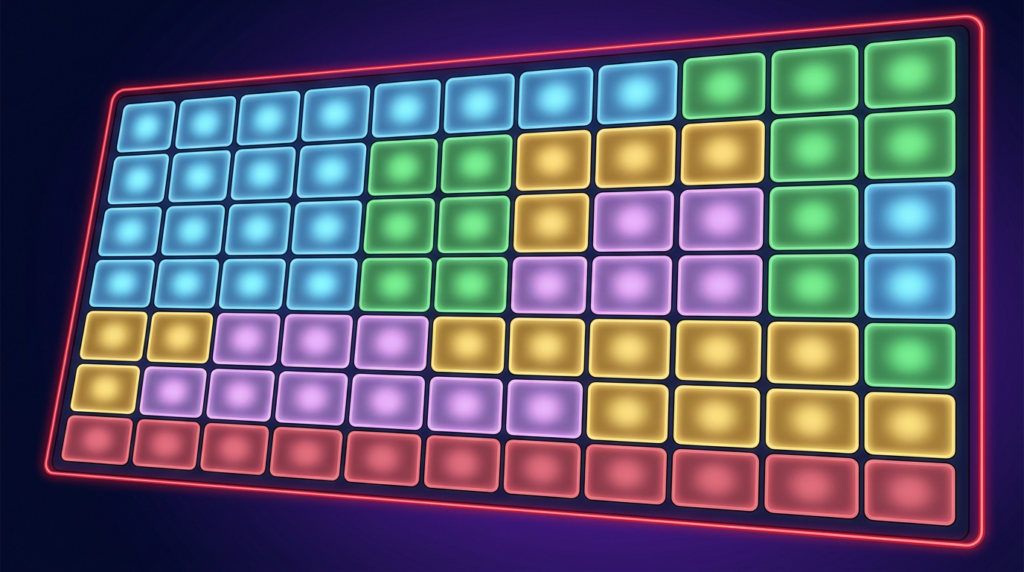
At first glance, a basic strategy chart might look intimidating, a grid of letters and numbers that seem to defy immediate understanding. But once you grasp its simple layout, it becomes a powerful tool.
The chart is typically structured with your hand total listed down the left side and the dealer’s upcard (the card facing up) across the top. Where your row and the dealer’s column intersect, you’ll find the mathematically correct action to take.
Here are the primary actions you’ll encounter:
- H (Hit): Take another card.
- S (Stand): Take no more cards.
- D (Double Down): Double your initial wager, receive one more card, and then stand. This is often only allowed on your first two cards.
- P (Split): If you’re dealt two cards of the same rank (a pair), you can split them into two separate hands, placing an additional wager equal to your original bet on the new hand. You then play each hand independently.
- R (Surrender): Give up half your bet and forfeit the hand. This is only available in some casinos and situations, and it’s used to cut your losses when your chances of winning are extremely low.
The beauty of the chart is its universality. While minor adjustments occur based on specific house rules (like whether the dealer hits or stands on a soft 17), the core decisions remain remarkably consistent across most blackjack games.
IV. Breaking Down Key Decisions: Hard Totals, Soft Totals, and Pairs
To truly commit basic strategy to memory, it helps to understand the logic behind the decisions. Let’s look at the main categories.
A. Hard Totals
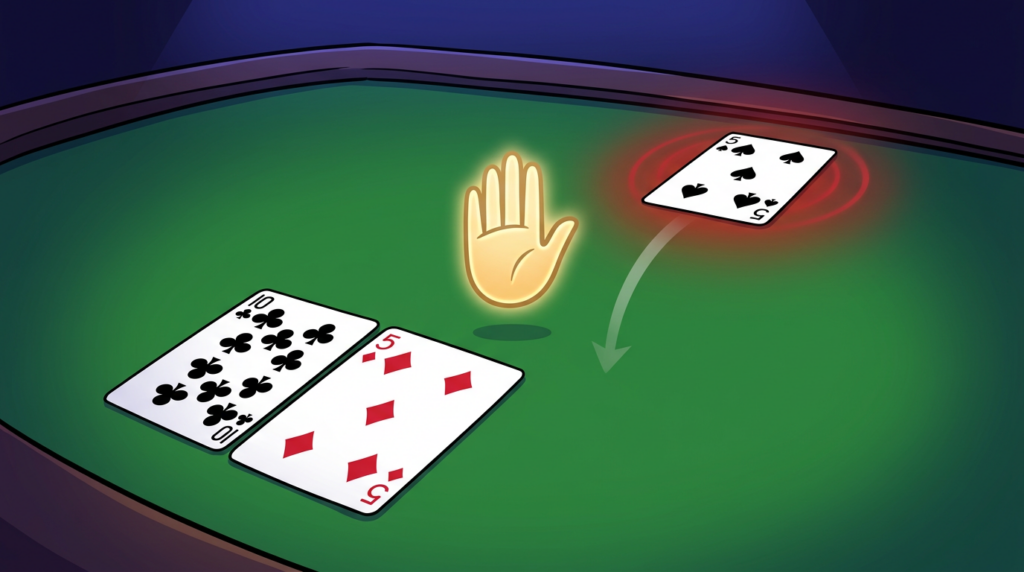
A “hard total” is any hand that does not contain an Ace counted as 11, or a hand where an Ace must be counted as 1 to avoid busting. These are often the trickiest hands because there’s no flexibility.
Always Stand on 17 or More: This is a golden rule. Your chances of busting (going over 21) are too high if you hit on 17 or more, regardless of the dealer’s upcard. The risk simply isn’t worth the potential reward.
The Dreaded Stiff Hands (12-16): This is where most players go wrong. When you have a hand between 12 and 16, and the dealer has a “stiff” upcard (2, 3, 4, 5, or 6), the basic strategy often advises you to stand. Why? Because the dealer is more likely to bust with these upcards. Your goal here isn’t necessarily to make a strong hand, but to avoid busting yourself and let the dealer bust instead. It’s counterintuitive for many, but mathematically sound. For example, if you have 16 against a dealer’s 5, you stand. If you hit, your chances of busting are high. If you stand, you’re hoping the dealer busts, which they often will with a 5 showing.
Hitting Against Strong Dealer Upcards (7, 8, 9, 10, Ace): When the dealer shows a strong card, they are less likely to bust. In these situations, you usually need to hit your stiff hands (12-16) to try and improve them, even with the risk of busting. For instance, if you have 16 against a dealer’s 10, you hit. Yes, it feels risky, but mathematically, it’s your best chance.
B. Soft Totals
A “soft total” is a hand that contains an Ace counted as 11. These hands are incredibly flexible because the Ace can revert to a value of 1 if you hit and would otherwise bust. This flexibility gives you more options.
Soft 17 (Ace-6): This is a common point of confusion. Many casinos require the dealer to hit on a soft 17. As a player, you should always hit on a soft 17, or double down if the rules allow and the dealer shows a weak upcard (like a 2 through 6). You cannot bust by hitting a soft 17, and you have a good chance of improving your hand.
Soft 18 (Ace-7): This is another crucial soft hand. Against a dealer’s 2, 7, or 8, you should stand. Against a dealer’s 9, 10, or Ace, you should hit. And against a dealer’s 3, 4, 5, or 6, you should double down! This illustrates the nuance of soft hands; you’re often looking for opportunities to maximize your winnings with a double.
Soft 19 or Higher (Ace-8, Ace-9): Generally, you stand on these hands. They are strong enough that hitting carries unnecessary risk, even with the flexibility of the Ace.
C. Pairs
When you’re dealt two cards of the same rank, you have the option to split them into two separate hands. This can be a huge advantage when used correctly.
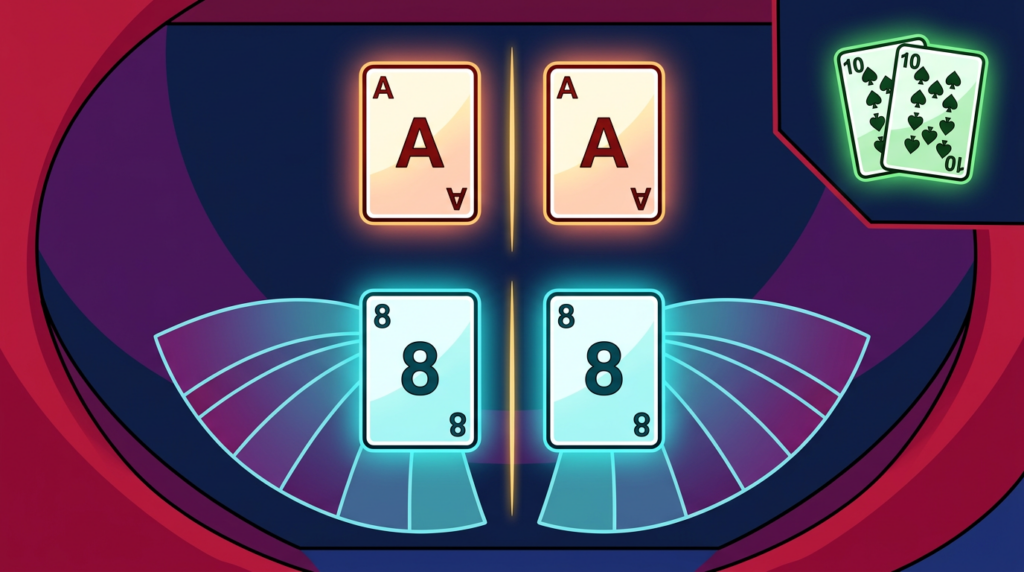
Always Split Aces and Eights: This is non-negotiable. Two Aces give you a terrible 2 or a soft 12; splitting them gives you two chances at 21. Two 8s give you 16, one of the worst hands in blackjack; splitting them gives you two fresh starts at a much better 8.
Never Split Fives or Tens: A pair of 5s gives you 10, a fantastic starting point for a double down. Splitting them gives you two weak 5s. A pair of 10s (or any face cards) gives you 20, an incredibly strong hand you should almost always stand on. Splitting 20 would be a monumental mistake.
Other Pairs (2s, 3s, 4s, 6s, 7s, 9s): These are more conditional. For example, you typically split 9s against a dealer’s 2-9 (except 7, where you stand), but not against a 7, 10, or Ace. You split 6s against a dealer’s 2-6. The logic here is often about maximizing your potential against a weak dealer upcard or mitigating losses against a stronger one.
D. Double Down Opportunities
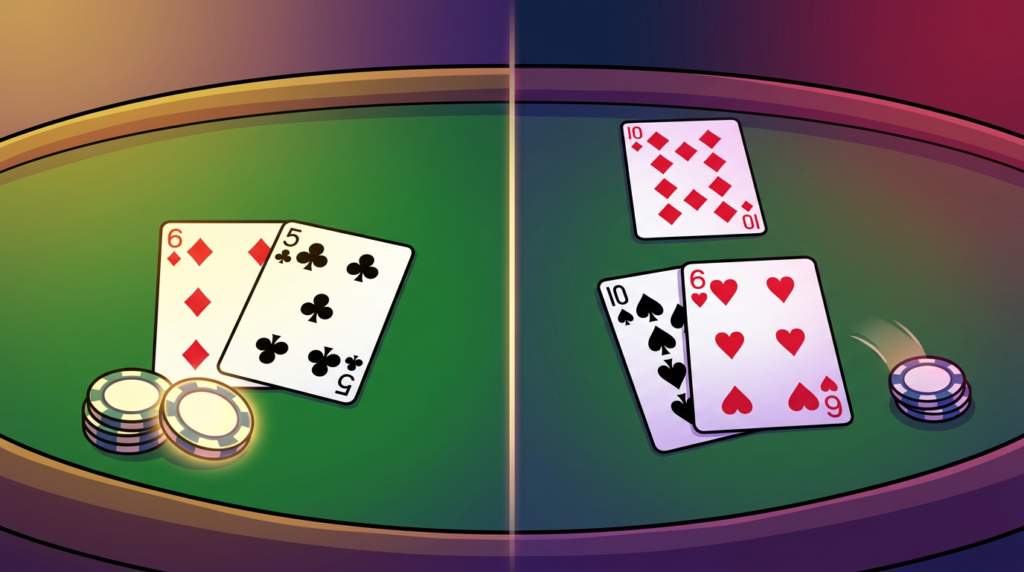
Doubling down is a powerful move, but it’s only correct in specific situations. You double your bet, get one more card, and then you must stand.
Hard 11: Always double down on a hard 11 (any two cards totaling 11 that don’t include an Ace as 11), unless the dealer has an Ace and the casino rules prohibit it (which is rare). You have a very high chance of getting a 10-value card, giving you a strong 21.
Hard 10: Double down on a hard 10 (not a soft 10, like Ace-9) against a dealer’s 2 through 9. Again, you’re hoping for that 10-value card.
Hard 9: Double down on a hard 9 against a dealer’s 3, 4, 5, or 6. These are the dealer’s weakest upcards, making it an excellent opportunity to press your advantage.
E. Surrender
Surrender is an option that allows you to give up half your bet and exit the hand. It’s a way to minimize losses when your hand is truly terrible against a strong dealer card.
When to Surrender: The most common surrender situations are when you have a hard 16 (but not a pair of 8s, which you split) against a dealer’s 9, 10, or Ace. You also surrender a hard 15 against a dealer’s 10. These are hands where your chances of winning are so low that giving up half your bet is statistically better than hitting or standing. Remember, surrender isn’t always offered, so check the table rules.
V. The Absolute Importance of Memorization

Having a basic strategy chart tucked in your wallet is fine for practice, but at a live table, you need to know it cold. Why?
- Game Flow: Live blackjack moves quickly. Hesitating to consult a chart slows down the game, annoys the dealer, and can even draw glares from other players. You need to make your decisions promptly and confidently.
- Respect for the Game: Dealers appreciate players who know what they’re doing. It makes their job easier and creates a better atmosphere at the table.
- Avoiding Mistakes Under Pressure: The casino floor can be distracting. Music, conversations, other players’ bets, and even drinks can cloud your judgment. When basic strategy is ingrained, you’ll make the right decision automatically, even amidst the chaos.
- Foundation for Advanced Play: If you ever aspire to card counting (a whole different, much more involved strategy), basic strategy is the absolute prerequisite. You cannot count cards effectively if you don’t instantly know the correct basic strategy play for every hand.
So, how do you memorize it?
- Flashcards: Create physical or digital flashcards. On one side, write your hand (e.g., “Hard 16”) and the dealer’s upcard (e.g., “Dealer 10”). On the other, write the correct action (“Hit”).
- Online Trainers: Many websites and apps offer interactive blackjack trainers. They deal you hands, and you select your action. They immediately tell you if you’re right or wrong. This is incredibly effective.
- Practice at Home: Deal yourself hands. Imagine the dealer’s upcard. Say your decision out loud. Repeat, repeat, repeat.
- Focus on Problem Areas: Pay special attention to the hands that trip you up most often. For many, these are the stiff hands (12-16) against dealer upcards of 2-6, and the nuances of soft hands.
- Understand the “Why”: As I’ve tried to explain above, knowing why a particular decision is correct makes it easier to remember. When you understand the underlying probability, the decision feels less arbitrary.
VI. Common Mistakes and Pitfalls to Avoid
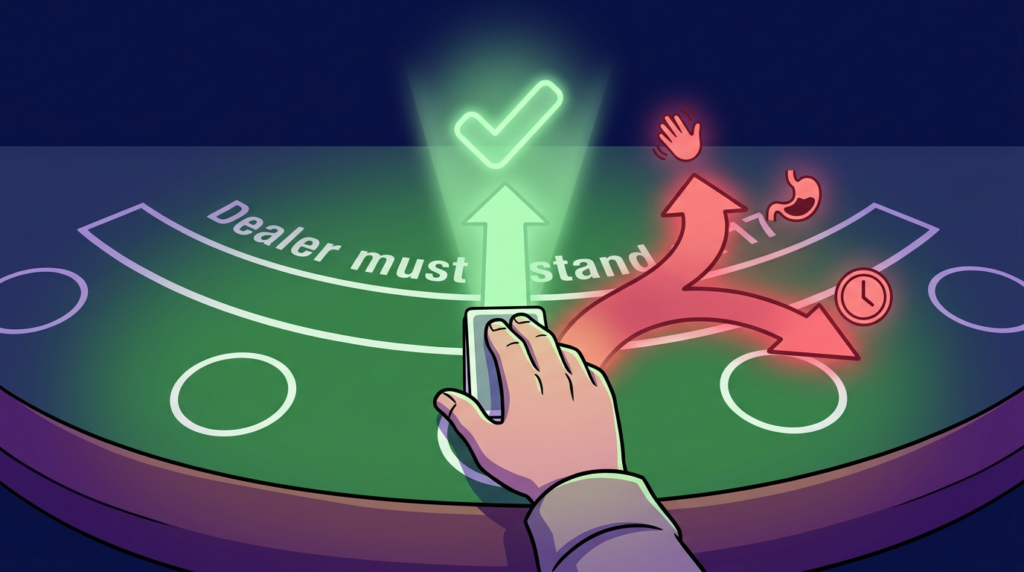
Even with the chart, players can make errors.
Deviating from the Chart: The biggest mistake is thinking you “feel” a different play is better. Your gut feeling is almost always wrong compared to the mathematical certainty of basic strategy. Don’t let emotion override logic.
Mimicking Other Players: Never let what another player at the table does influence your decision. Their play, good or bad, has a negligible effect on your long-term outcome. Focus solely on your hand and the dealer’s upcard.
Ignoring House Rules: Always check the specific rules of the table you’re playing at. Does the dealer hit or stand on a soft 17? Is surrender allowed? Are there restrictions on doubling down or splitting? These variations can subtly alter the optimal strategy.
Poor Money Management: While not strictly part of basic strategy, playing optimally also means managing your bankroll wisely. Don’t bet more than you can afford to lose, and set limits for yourself. Basic strategy reduces the house edge, but it doesn’t guarantee you’ll win every session. For players experiencing losing streaks, cashback covers blackjack losses - En cashback offers can help offset some of your losses and extend your playing time at the tables.
VII. Combining Table Play with Slot Promotions
While blackjack is an excellent table game, many players enjoy a balanced casino experience. For those who like to mix their gameplay, it’s worth noting that you can combine slots free spins with table play - En free spins. Many casinos offer promotions that span multiple game types, allowing you to enjoy both the skill-based advantages of blackjack and the quick entertainment of slots without stretching your bankroll as thin.
Additionally, if you’re planning to make a deposit to fund your blackjack sessions, look for casinos offering payment bonuses for table deposits - En payment method bonuses. These bonuses can give you extra value right from the start, allowing you to play longer and explore different tables with confidence.
VIII. Beyond the Chart: A Glimpse into Advanced Play

Once basic strategy is second nature, you’ve mastered the first, most crucial step in becoming a proficient blackjack player. For some, this is enough; they enjoy the game knowing they’re playing as well as possible.
For others, the journey continues. Basic strategy is the foundation upon which more advanced techniques, like card counting, are built. Card counting involves keeping track of the ratio of high cards to low cards remaining in the shoe to determine when the player has an advantage. When the count is favorable, a card counter deviates from basic strategy, typically by increasing their bets and making specific strategic adjustments (like hitting a hard 16 against a 10 when the count is very positive). However, card counting is a complex skill, requires immense dedication, and is often met with scrutiny from casinos.
My advice? Don’t even think about card counting until you can play perfect basic strategy without a single thought. It’s like trying to run a marathon before you can even walk properly.
IX. Your Path to Smarter Blackjack
Blackjack is a fascinating game, a true blend of chance and skill. By embracing basic strategy, you transform yourself from a hopeful amateur into a calculated player who understands the game’s underlying mechanics. You’re no longer just throwing money at the table; you’re making informed, statistically sound decisions that give you the best possible chance to walk away a winner, or at least to extend your playing time significantly.
So, print out a chart, find an online trainer, and start practicing. The effort you put in will be rewarded with a deeper appreciation for the game, more confidence at the table, and most importantly, a much better shot at enjoying those winning sessions. Good luck, and play smart.