
Beyond Slots: Exploring the House Edge in Table Games
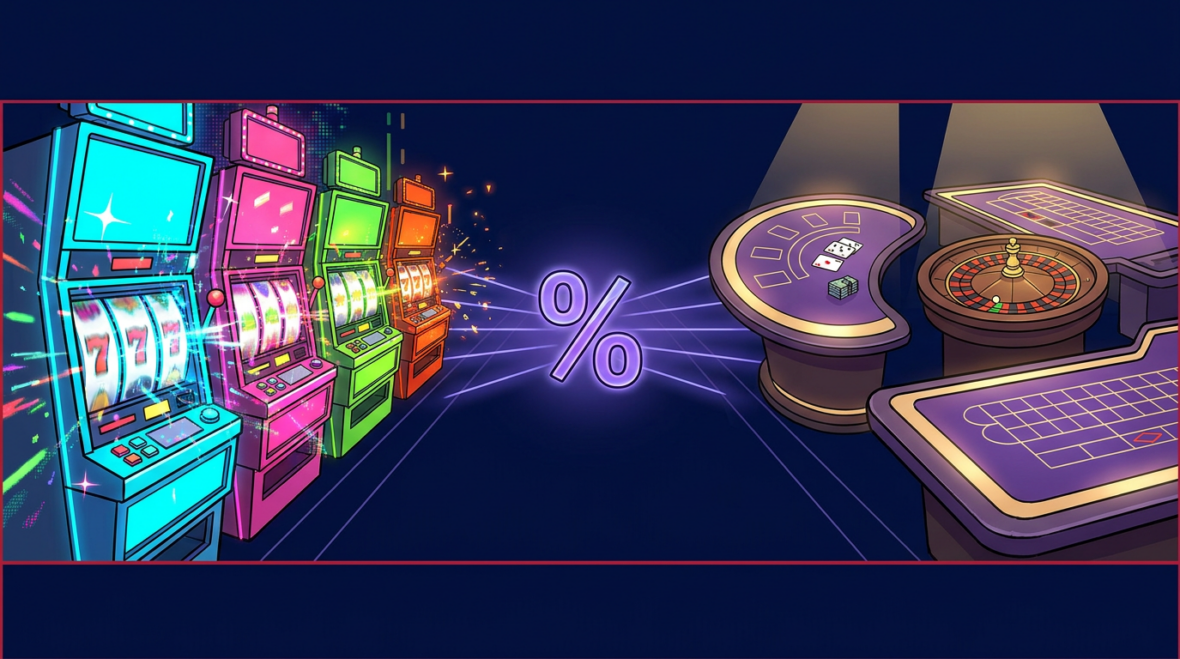
When most people envision a casino, slot machines often dominate their imagination. The whirl of reels, the dazzle of lights, and the cacophony of digital sounds create an atmosphere that’s hard to ignore. While slots are undeniably popular—accounting for the majority of casino floor space and revenue—they’re also some of the least advantageous games for players in terms of odds. What many people don’t realize is that the real opportunities to stretch your bankroll and make your gambling sessions last longer lie at the table games.
Unlike slot machines, which are governed entirely by random number generators and offer little opportunity for player skill, table games like Blackjack, Roulette, and Baccarat blend chance with varying degrees of strategy. The key to making smarter choices in the casino is understanding the concept of the house edge—the built-in advantage the casino has over players over time.
In this extensive guide, we’ll go far beyond the slots to explore the mathematical landscape of table games. We’ll compare the house edge in the most popular options, dig into the subtle differences between game variations, debunk common myths, and give you practical, actionable advice for choosing games with the best odds. Whether you’re a casual gambler or someone looking to elevate your play, understanding the house edge is the first step to making informed decisions at the casino.
Understanding the House Edge: The Casino’s Mathematical Advantage
What is the House Edge?
The house edge is the cornerstone of casino profitability. At its core, the house edge is a statistical advantage that ensures the casino will make money over the long run. It’s not a guarantee that you’ll lose every time you play—far from it—but it does mean that, given enough time and enough bets, the house will always come out ahead.
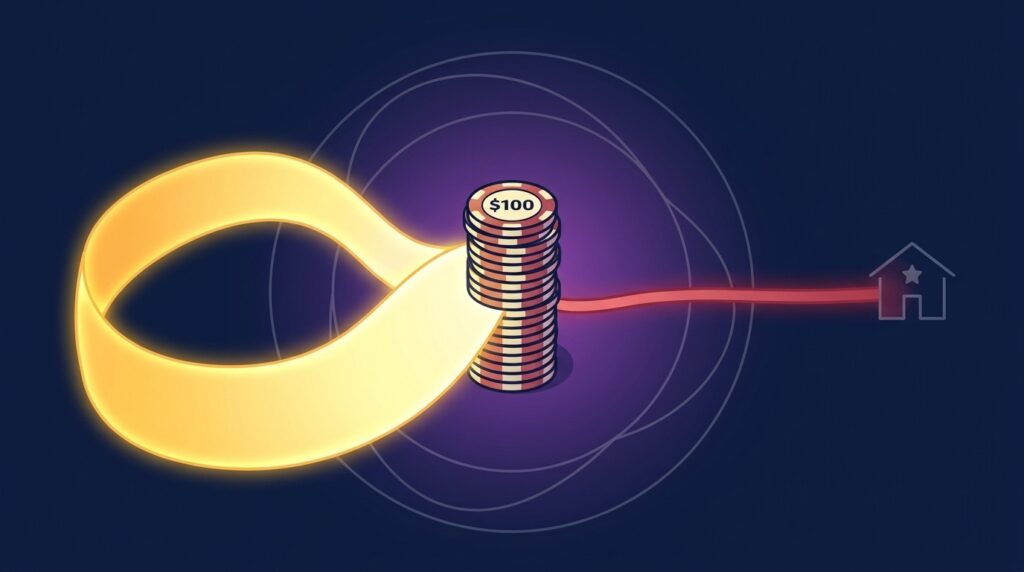
More formally, the house edge is expressed as a percentage, indicating the average portion of each wager that the casino expects to keep as profit. For example, a house edge of 1% means that for every $100 wagered, the casino expects to retain $1 as profit over the long term. The remaining $99 is returned to players as winnings, distributed unevenly among the lucky winners and the unlucky losers.
The house edge varies dramatically across games and even within versions of the same game. Crucially, some games allow player decisions to influence the house edge, while others are purely games of chance. Understanding these nuances can help you make smarter bets, manage your risk, and get more entertainment for your money.
Let’s break down the house edge in three of the most popular table games: Blackjack, Roulette, and Baccarat.
Blackjack: Skill Meets Favorable Odds
House Edge: ~0.5% (with optimal strategy)
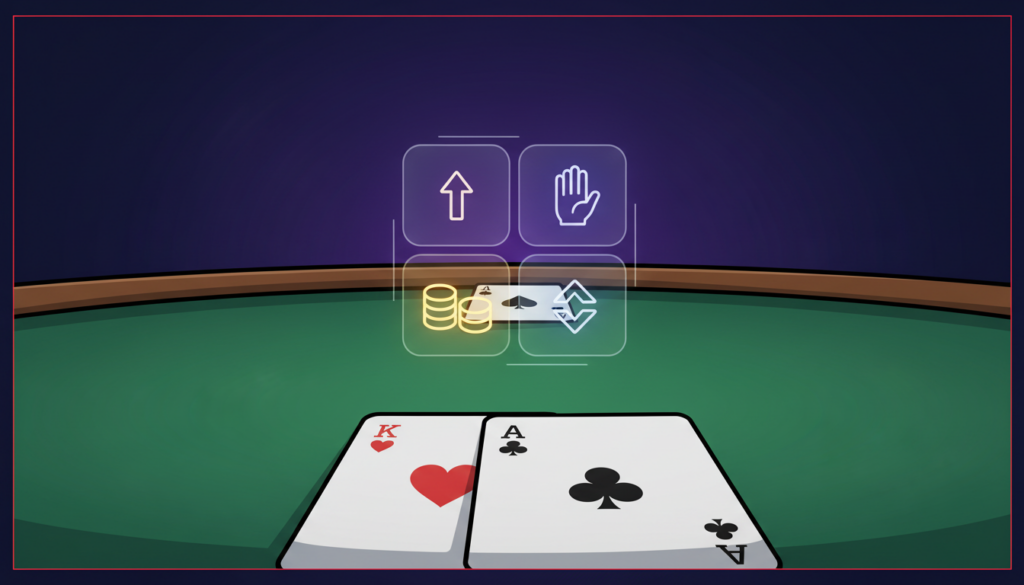
Blackjack stands out among casino games because it rewards both luck and skill. Its reputation for having a low house edge isn’t just hype—it’s a mathematical reality for players who commit to learning and applying perfect basic strategy. This approach involves making the statistically best decision for every possible hand combination based on the dealer’s visible card. Whether you should hit, stand, double down, split, or surrender is determined by rigorous probability calculations, not by hunches or superstition.
Why Is the House Edge So Low in Blackjack?
Unlike most other casino games, your decisions in blackjack directly impact your expected return. Every choice you make—whether to draw another card or hold your total—affects the house’s advantage. Basic strategy, developed from millions of computer-simulated hands, helps you minimize losses and, over time, push the house edge down to around 0.5%. However, it’s important to note that deviating from this strategy can quickly increase the casino’s advantage, sometimes pushing the edge above 2%.
Pro Tips for Maximizing Your Edge in Blackjack
- Master Basic Strategy: Study and practice a basic strategy chart that matches your table’s specific rules (number of decks, dealer hits/stands on soft 17, etc.). Consistency is key.
- Avoid Side Bets: While tempting, side bets like “Perfect Pairs” or “21+3” usually come with a house edge of 5–10% or more—far worse than the main game.
- Pay Attention to Rule Variations: Tables that offer 3:2 payouts for blackjack, allow doubling after splits, or permit surrender provide better odds for players. Avoid 6:5 payout tables, as the house edge increases significantly.
- Manage Your Bankroll: Set limits for wins and losses before you start playing. This helps you enjoy the game longer and avoid costly mistakes during losing streaks.
- Ignore Gambler’s Fallacy: Each hand is independent—the deck doesn’t “owe” you a win after a losing streak, and patterns don’t predict outcomes.
Blackjack’s low house edge makes it the best bet on the casino floor for informed players. By sticking to proven strategies and understanding the implications of each decision, you can keep the odds as close to even as possible—a rarity in the world of gambling.
House Edge: ~0.5% (with optimal strategy)
Blackjack is renowned for its low house edge, provided you play with perfect basic strategy. This means making mathematically optimal decisions for every hand—when to hit, stand, split, or double down.
Why the edge is low: Players can influence the outcome with skill and strategy, reducing the house’s advantage.
Tips: Avoid side bets, as they generally have a much higher house edge. Learn basic strategy charts to keep your edge as low as possible.
Roulette: European vs. American
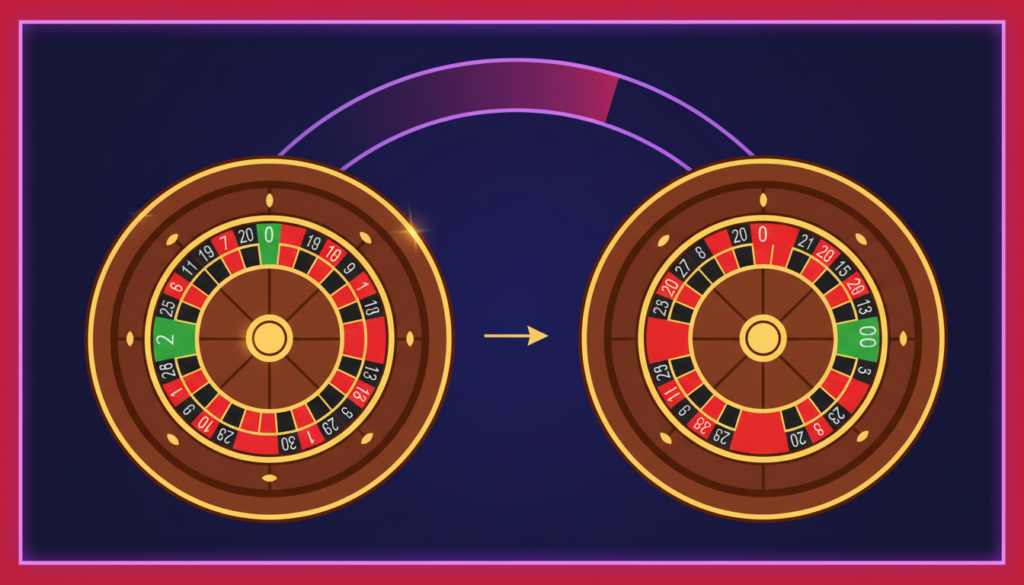
European Roulette House Edge: 2.7%
American Roulette House Edge: 5.26%
Roulette is a game of pure chance, but the version you play dramatically affects your odds:
- European Roulette has a single zero (0), yielding a house edge of 2.7%.
- American Roulette adds a double zero (00), nearly doubling the house edge to 5.26%.
Why the difference? The extra double zero in American Roulette increases the number of losing outcomes for players.
Advice: Always choose European Roulette if available—it nearly halves the casino’s advantage over you.
Baccarat: Simple Play, Surprising Odds
Origins and Evolution of Baccarat
Baccarat is steeped in mystique and tradition. Once the exclusive domain of high rollers in private rooms, Baccarat has become increasingly accessible, with mini-baccarat tables now standard in many casinos. Its origins are debated, but most historians trace it to 15th-century Italy and France. Today, it is especially popular in Asian casinos and among VIP players.
How to Play Baccarat
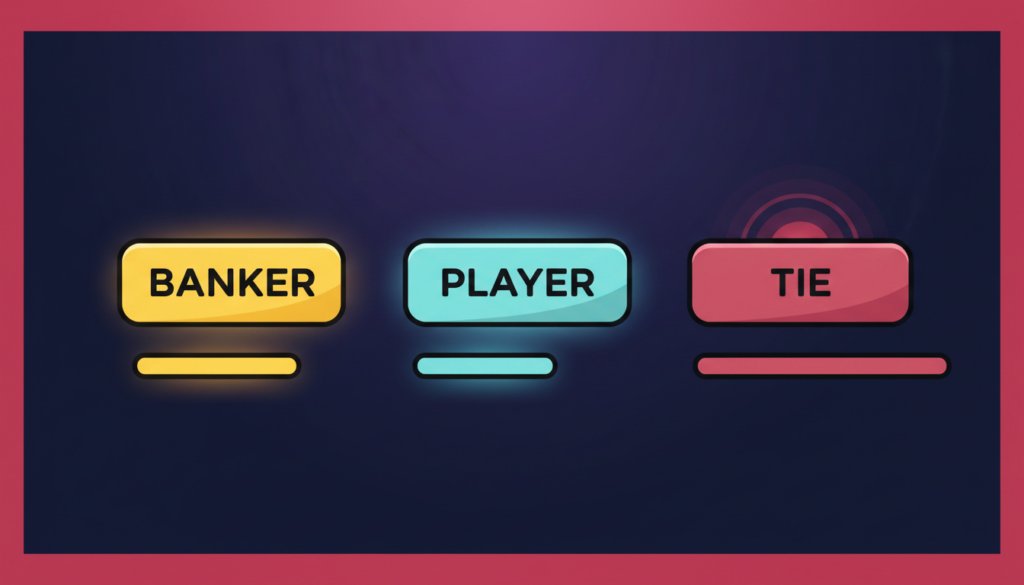
Baccarat is deceptively simple. Players bet on one of three outcomes: that the “Player” hand will win, the “Banker” hand will win, or the result will be a tie. Two hands are dealt according to fixed rules; there’s no decision-making after bets are placed, making the game fast-paced and easy to learn.
House Edge Breakdown
- Banker Bet: 1.06% (best bet)
- Player Bet: 1.24%
- Tie Bet: 14.36% (very risky)
The Banker bet is so favorable that casinos typically take a 5% commission on Banker wins. This small edge is why Baccarat is beloved by players seeking an advantage.
Betting Systems and Superstitions
Many Baccarat players are highly superstitious, tracking patterns and trends on scorecards. However, each hand is independent, and no betting system can change the house edge. The best strategy is to always bet on Banker or Player and avoid the Tie.
Mini-Baccarat vs. Traditional Baccarat
Mini-baccarat tables have lower limits and a faster pace, making the game accessible to all. The rules and odds remain the same, but the quicker deal means more hands per hour—so pace your betting accordingly.
Practical Tips for Baccarat Players
- Always bet on the Banker for the lowest house edge.
- Avoid Tie bets and side bets.
- Track your wins and losses to avoid the rapid pace catching you off-guard.
- Take advantage of casino loyalty programs to offset the house edge.
House Edge: Banker Bet – 1.06% | Player Bet – 1.24% | Tie Bet – 14.36%
Baccarat is one of the simplest table games to play, with just three possible bets:
- Banker Bet: Best bet in the game, with a house edge of just 1.06% (even after the typical 5% commission).
- Player Bet: Slightly higher edge, but still favorable at 1.24%.
- Tie Bet: Attractive payouts, but a massive house edge—best to avoid.
Advice: Stick to Banker and Player bets for the best odds and avoid betting on a tie. For table game enthusiasts looking to maximize their overall value, some casinos offer cashback on table games - En cashback offers, which can help offset losses over time and make the already favorable odds even more attractive.
The Verdict: Best Table Game Odds
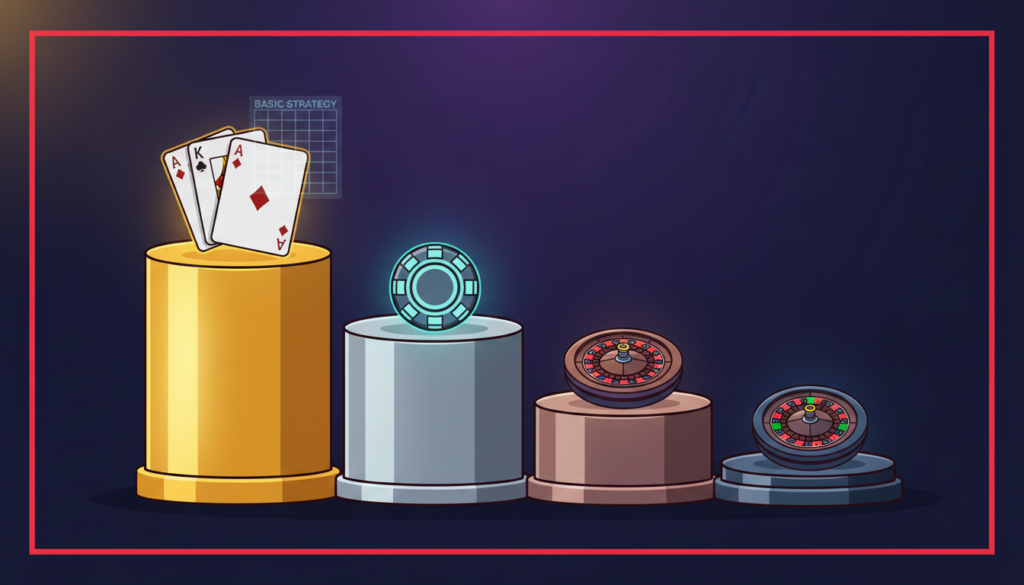
- Blackjack (with strategy): Best overall odds, lowest house edge.
- Baccarat (Banker/Player bets): Excellent odds, simple rules.
- European Roulette: Still player-friendly, but edge is higher than in Blackjack or Baccarat.
- American Roulette: Least favorable; avoid if you can.
While table games offer some of the best odds in the casino, it’s worth noting that slots offer better bonus value - En free spins in terms of promotional offers like free spins and deposit matches. Players who enjoy table games may need to look harder for comparable bonuses, as many promotions are tailored specifically to slot players.
Final Tips
- Learn basic strategy for Blackjack.
- Seek out European Roulette.
- In Baccarat, always bet on Banker or Player, never Tie.
- Avoid side bets and gimmicks—they usually come with a steep house edge.
While no table game can overcome the house edge in the long run, picking games with the lowest edge and playing smart can let your money go further, and your sessions last longer. For dedicated table game players, seeking out a reload bonus for table players - En reload bonuses can provide additional value on subsequent deposits, helping to maintain your bankroll over multiple sessions. Good luck at the tables!