
Do Free Demo Spins Actually Tell You Anything Real?
A friend asked me last month whether playing a slot in demo mode before depositing actually helps, or whether it’s just a marketing trick to keep me on the site longer. I didn’t have a confident answer right away, which surprised me given how many demo spins I’ve clicked through over the years. So I actually sat down and thought about what demo mode has and hasn’t taught me.
The short version is that it depends heavily on what you’re trying to learn. For some things, demo spins are genuinely useful. For others, they’re close to worthless, and I used to treat every demo session the same way.
What Demo Mode Gets Right
Demo spins are honest about pacing and visuals, and that part I trust completely. The reels move at the same speed, the bonus round animations play out identically, and the overall rhythm of a session feels the same whether or not real money is on the line. If I want to know whether a game’s theme and presentation actually hold my attention past the first few spins, demo mode answers that question reliably.
Feature mechanics also come through accurately in demo play. If a slot has a specific way of triggering free spins, or a cascading reel mechanic, or a particular multiplier structure, demo mode shows me exactly how that works without me needing to risk anything to see it. I’ve saved myself from claiming offers tied to games I ended up not liking simply because I tested the mechanics first on the free spins page - En free spins before committing real money anywhere.
Bonus Round Frequency, Roughly
Over enough spins, demo mode gives a rough sense of how often a bonus round actually triggers, since the trigger mechanic itself doesn’t change between demo and real play. I wouldn’t trust twenty demo spins to tell me anything meaningful here, but a few hundred spins in demo mode has occasionally matched what I later experienced with real money reasonably well. It’s not a guarantee, just a loose pattern that’s held up often enough for me to pay attention to it.
Where Demo Mode Falls Apart
The part demo mode gets wrong, or at least can’t tell me anything useful about, is how a game actually feels psychologically once real money is involved. I’ve played demo sessions that felt completely relaxed and enjoyable, only to switch to real money and feel my stomach tighten with every spin in a way the demo never hinted at. That emotional gap is real, and no amount of demo spinning prepares you for it.
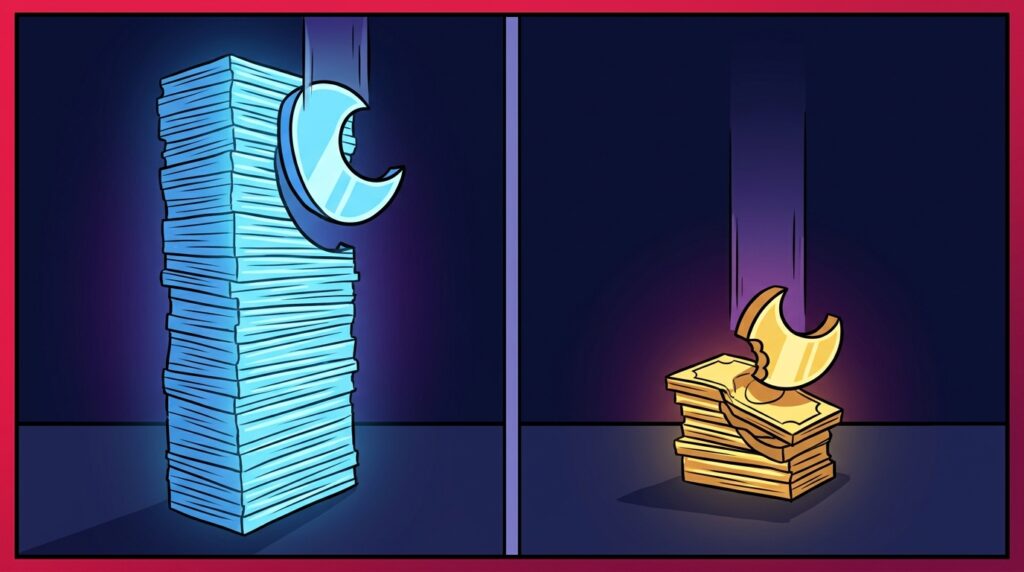
Bankroll math is another area where demo mode is close to useless. Most demo balances start absurdly high, often ten thousand credits or more, which means volatility swings that would wipe out a real bankroll barely register visually. A high volatility slot might look perfectly manageable in demo mode simply because the starting balance is large enough to absorb dry spells that would crush an actual session budget.
The RTP Illusion
I used to think a strong demo session meant the game’s return to player rate was running hot for me specifically, which is a mistake I see other players make constantly. Demo mode uses the same theoretical RTP as real play, but a short session, demo or otherwise, tells you almost nothing about long-run averages. Twenty good demo spins mean exactly as much as twenty good real spins, which is to say, not much on their own.
How I Actually Use Demo Mode Now

My current approach treats demo mode as a screening tool rather than a prediction tool. I use it to rule games out quickly rather than to pick winners, which is a much more honest use of what demo spins can actually tell me. If a game’s pacing feels sluggish or the theme grates on me within the first minute, demo mode has already done its job by saving me from wasting real money finding that out the slow way.
I also use demo mode specifically before claiming any offer tied to a narrow list of eligible games. If a promotion only counts wagers on three or four specific titles, I’ll run through each one in demo first to make sure I actually want to grind out wagering requirements on a game I might otherwise dislike. That small step has saved me from more than one frustrating session where I resented the game as much as the wagering target itself.
Setting a Demo Time Limit
I give myself a rough time limit for demo sessions now, usually five to ten minutes per game, because it’s easy to lose an hour clicking through demo spins without ever depositing anything. That limit forces me to make a decision rather than endlessly sampling games in a kind of low-stakes limbo. If I can’t decide whether I like a game within that window, I usually conclude the answer is no and move on.
The Behavioral Trap I Try to Avoid
There’s a specific trap I’ve fallen into more than once, where a strong run of demo wins made me overconfident heading into a real money session on the same game. Rationally I knew the demo result meant nothing predictive, but emotionally it primed me to expect a similar outcome, and that expectation cost me when the real session ran cold instead. I’ve had to consciously separate the memory of a good demo session from any expectation about how real money play will go.
I think this trap catches a lot of players precisely because demo mode feels so similar to real play on the surface. The visuals are identical, the sounds are identical, and the only thing missing is actual financial risk, which somehow doesn’t stop the brain from treating a demo win as meaningful information. Recognizing that gap consciously has been more useful to me than any specific demo strategy.
Comparing Games Side by Side
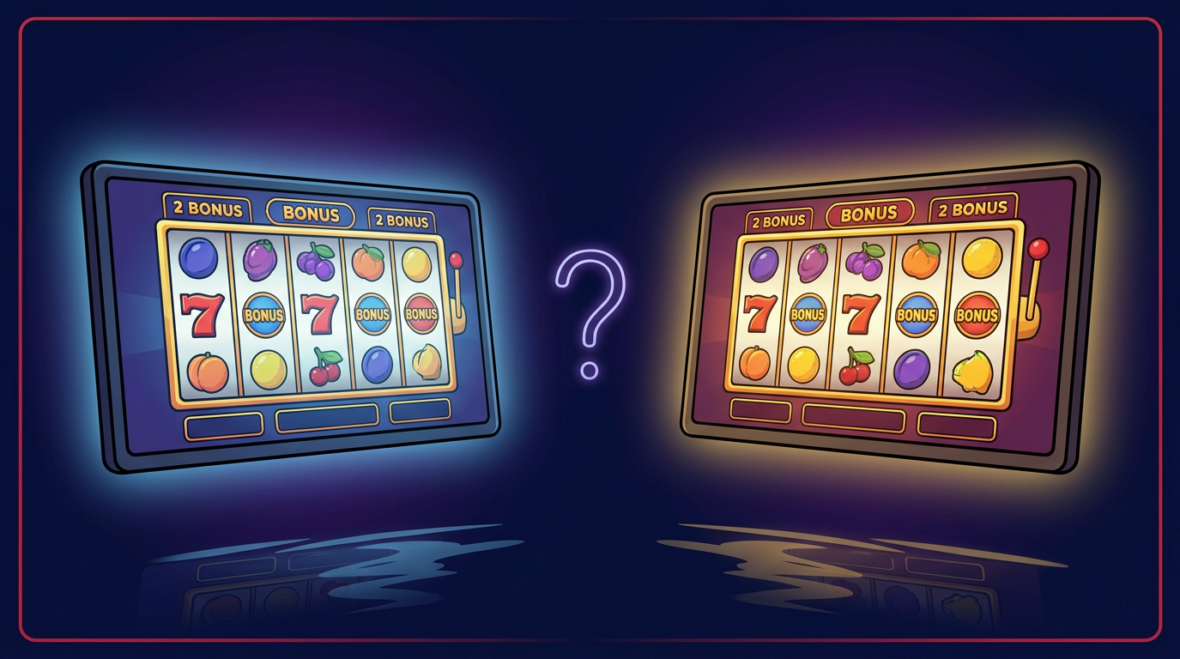
One place demo mode genuinely earns its keep is comparing two similar games before deciding which one to spend real money on. If I’m choosing between two megaways-style slots with comparable stated RTPs, running both in demo back to back tells me which one’s bonus round I actually enjoy more, which pacing suits my patience level, and which theme I’d rather stare at for an hour. None of that touches the math, but all of it affects how much I’ll actually enjoy the session regardless of outcome.
I’ve made better long-term choices about which games to return to by comparing demos this way than I ever did by reading a review and picking based on stated volatility alone. The lived feel of a game matters more to my actual enjoyment than any spec sheet, and demo mode is the only honest way to access that feel before spending anything.
What New Players Should Expect
If you’re new to slots and wondering whether to bother with demo mode at all, I’d say yes, but keep your expectations calibrated to what it can actually tell you. Use it to learn a game’s mechanics, rule out titles you clearly don’t enjoy, and compare similar options before committing real money. Don’t use it to predict how a real session will go, and don’t let a hot demo streak convince you that a cold real money streak is somehow unlikely to follow.
I still run demo spins most weeks, usually right after checking what’s newly listed, since testing a title before it’s tied to any offer feels like the lowest-risk way to get a sense of it. It’s become a habit rather than a special step, something I do automatically before spending real money on anything unfamiliar.
That habit alone has quietly saved me from a handful of bad picks over the past year, and it costs nothing beyond a few unhurried minutes before I ever reach for my card.
Demo Mode and Provider Reputation
I’ve also started using demo sessions to get a feel for a studio’s general design habits rather than just judging one game in isolation. After running through a handful of titles from the same provider in demo mode, I usually notice recurring patterns, whether that’s a tendency toward stingy base games with big bonus payouts, or a house style of smoother, more frequent small wins. That pattern recognition carries over even to games I haven’t personally tested yet.
It’s not a perfect substitute for reading actual reviews or checking published RTP figures, but it’s a decent supplement. Knowing that a provider tends to build high volatility titles helps me set expectations before I even open a new release from them, demo or otherwise. I’ve found this especially useful with studios that release games frequently, since keeping up with individual reviews for every title just isn’t realistic.
Testing Max Win Claims
Some slots advertise enormous max win multipliers, numbers in the thousands of times the bet, and demo mode is where I go to sanity check what that actually looks like in practice. I can’t verify the odds of hitting that max win from a demo session, since a handful of spins tells me nothing about a one-in-a-million event. What I can check is whether the mechanic that produces those big multipliers is one I’d actually enjoy chasing, or whether it looks tedious once I see it play out.
A Mistake I Made With Bonus Buy Features
I once tested a bonus buy feature in demo mode, loved how the round played out, and then deposited specifically to use that feature with real money. What I hadn’t accounted for was how differently the cost of that purchase would feel once it was coming out of an actual bankroll rather than a demo balance measured in the thousands. The round itself matched what I’d seen in demo almost exactly, but my relationship to the money spent buying it was nothing alike.
That experience taught me to separate two different questions when testing bonus buy features in demo mode. The first question, whether the round itself is fun and worth watching, demo mode answers well. The second question, whether the price feels worth paying with real money, demo mode can’t answer at all, because a demo balance has no real cost attached to spending it.
Why I Still Bother With It At All
Given everything demo mode can’t tell you, it might sound like I’m talking myself out of using it, but that’s not where I’ve landed. Five minutes of demo spins before trying something new costs nothing and rules out a meaningful chunk of games I’d otherwise have to learn I dislike the expensive way. That screening function alone justifies the habit, even with all the limitations I’ve laid out.
The mistake isn’t using demo mode, it’s expecting it to do more than screen out games and show you mechanics. Once I stopped asking demo spins to predict outcomes and started asking them only to answer “do I like how this plays,” the whole exercise became a lot more useful and a lot less misleading. That reframing took longer to settle in than I’d like to admit.
I’d also add that demo mode is worth revisiting on games you already play for real money, not just brand new ones. Going back to a familiar title in demo mode occasionally reminds me what the base game actually looks like without the emotional noise of real stakes, and that reset in perspective has helped me recognize when I’ve started chasing losses rather than enjoying the game itself. It’s a small habit, but a useful one.
My Bottom Line
Demo spins tell you something real about pacing, mechanics, and whether a game’s theme holds your attention, and that’s genuinely worth five minutes before you deposit. What demo mode can’t tell you is how a session will actually play out financially, and treating a hot or cold demo run as predictive is where I’ve seen people, myself included, go wrong. I’ll keep clicking through demo spins before trying almost anything new, listed on that new slot promotions page - En new slot promotions or otherwise, just with a clearer sense of what that click actually buys me.