
Megaways Slots: What That License Actually Changes About How You Play
Someone in a Discord server asked me why megaways slots always seem to show up near the top of the latest slot promotions - En new slot promotions, like it’s some kind of default expectation now. I didn’t have a sharp answer at the time, just a vague sense that the mechanic sells well. After thinking about it properly, the reasons turn out to be more concrete than I expected, and they’ve actually changed how I approach these games.
Megaways is a licensed mechanic, not a genre, which is a distinction that took me embarrassingly long to fully understand. A specific studio owns the technology, and other providers pay to use it under license, similar to how a franchise works in other industries. That licensing detail explains a lot about why megaways games share certain traits no matter which studio actually built them.
What the Mechanic Actually Does
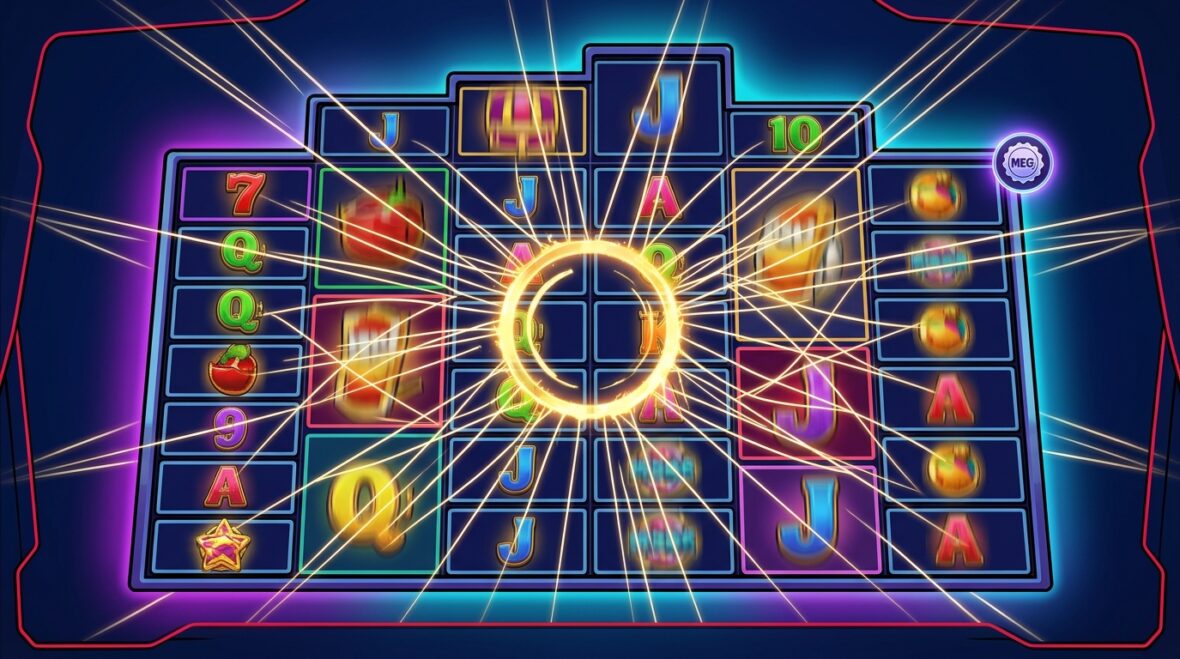
The core idea is that each reel can display a different number of symbols on every single spin, rather than the fixed three or four rows you’d see on a traditional slot. That changing symbol count means the number of ways to win shifts from spin to spin too, sometimes into the tens of thousands. I remember the first time I saw a “117,649 ways to win” banner and assumed it was a marketing exaggeration, until I actually watched the reel heights change in real time and did the math myself.
That variability is the entire point, and it’s what separates megaways from a slot with simply a lot of fixed paylines. A traditional 20-payline slot has the same 20 ways to win on every spin, full stop. A megaways title might offer a few hundred ways on one spin and tens of thousands on the next, purely based on how tall each reel happens to land that round.
Cascading Wins Layered On Top
Most megaways titles also stack a cascading win mechanic on top of the changing reel heights, where winning symbols disappear and new ones drop in to potentially create additional wins from the same spin. I’ve had single spins chain into five or six consecutive wins this way before the cascade finally runs dry. That layering is part of why megaways sessions feel more eventful than a standard slot, even when the underlying math isn’t wildly different.
How This Changes Actual Volatility
The wide swing in ways to win translates directly into a wider swing in how a session actually feels, and I noticed this before I understood the mechanic well enough to explain why. A spin that lands with short reels might barely register a win at all, while a spin with tall reels across the board can produce a payout that looks disproportionate to the bet size. That unpredictability is part of the appeal for me, though I know it frustrates players who prefer more consistent pacing.
I’ve found megaways titles tend to run higher volatility than their fixed-payline counterparts on average, though it varies enough by individual game that I don’t treat it as a hard rule. The mechanic itself doesn’t guarantee high volatility, it just creates the conditions where volatility swings more visibly than in a simpler game structure. Two megaways titles from different studios can feel completely different in practice despite sharing the same core mechanic.
Bet Sizing Gets Trickier
Sizing bets on megaways games took me longer to get comfortable with than on standard slots, mostly because the visible ways-to-win number keeps changing and my instinct was to react to it spin by spin. I’ve settled into ignoring that number entirely for bet sizing purposes and just treating the game’s stated volatility rating the same way I would any other slot. Reacting to a temporarily huge ways-to-win count by upping my bet mid-session was a habit that cost me more than it ever earned.
The Free Spins Round Is Where It Gets Interesting
Free spins rounds on megaways titles often add multiplier mechanics that compound with each cascade, and this is usually where the biggest wins actually happen. A multiplier that increases with every consecutive win during the bonus round can turn a modest starting position into a genuinely large payout by the time the round ends. I’ve watched a bonus round go from feeling disappointing at the halfway mark to paying out several times my total bet by the final few cascades.
That escalation is a big part of why I chase megaways bonus rounds specifically rather than just the base game. The variance within the bonus round itself is enormous, meaning two players triggering the same feature on the same game can walk away with wildly different results depending purely on how the cascades happen to land. I try to keep my expectations wide open going into any megaways bonus round for exactly that reason.
Buying Into the Feature Directly
Many megaways titles also offer the option of buying into a bonus round - En buy bonus feature promo directly rather than waiting to trigger it naturally, usually at a steep multiple of the base bet. I’ve used this a handful of times on games I already understood well, specifically when I wanted to guarantee seeing the feature without grinding through an unknown number of base game spins first. It’s an expensive shortcut, and I only use it with money I’ve mentally set aside as pure entertainment spend rather than anything tied to a wagering target.
The math on buying a feature only makes sense to me when I’ve already decided the base game isn’t worth playing for its own sake, which is true on some megaways titles where the regular spins feel like a formality before the real event. On games where the base game is genuinely enjoyable on its own, I’d rather let the bonus trigger naturally and treat any wait as part of the experience rather than a delay to skip past.
Why Providers Keep Building Them
From a pure business standpoint, megaways titles keep getting released because they perform well, and that performance seems to come from the mechanic’s built-in unpredictability holding attention longer than a fixed structure might. Every spin carries a small element of “how many ways will I get this time,” which adds a layer of anticipation on top of whatever the actual symbols do. I notice that pull in myself even on sessions where I’m not winning much, which says something about how effective the mechanic is at maintaining engagement.
I don’t think that’s a criticism exactly, more an observation about why the format has spread so widely across so many studios rather than staying a one-off gimmick. Once a mechanic proves it keeps players engaged, licensing it out to other studios becomes an obvious next step for the company that owns it. That’s exactly what’s happened, to the point where megaways branding shows up across dozens of unrelated game themes now.
What I Look For Before Playing a New One
Before trying any new megaways release, I check the maximum reel height the game allows, since that number sets the practical ceiling on how wild the ways-to-win count can actually get. A game capped at six symbols per reel behaves noticeably differently from one that allows seven, even though both carry the same megaways label. I also check whether free spins are purchasable and at what multiplier, since that tells me upfront whether the studio expects most of the excitement to come from the base game or the bonus round.
I’ll usually run a few demo spins first too, mostly to get a feel for how often the reel heights actually vary versus how often the game defaults to a modest configuration. Some megaways titles lean into extreme variability constantly, while others mostly sit in a middle range and only occasionally spike to their theoretical maximum. That pattern affects how I budget a session far more than the marketing number on the loading screen does.
Where the Format Fits in My Rotation
Megaways has become one of a handful of mechanics I actively seek out rather than stumble into, alongside cluster pays and cascading reels more generally. I like the format best when I’m not grinding a specific wagering requirement and can afford to let a session run long enough for the variance to even out somewhat. On nights when I’m working through a tighter budget, I tend to pick a lower-volatility fixed-payline game instead and save megaways titles for looser sessions.
I’ve also gotten more selective about claiming a free spins bundle - En free spins bundles tied specifically to a megaways title, since the value of those spins swings so much more than on a standard slot. A bundle of free spins on a megaways game with a strong multiplier mechanic can produce an outsized result, but it can just as easily produce nothing if the cascades don’t cooperate. I go in expecting either outcome now rather than assuming the bundle guarantees anything close to average.
Comparing Two Studios Side by Side
I once ran the same afternoon comparing megaways titles from two different studios, same theme roughly, same stated RTP, just to see how much the underlying build actually mattered beyond the shared mechanic. The difference was bigger than I expected going in. One game’s cascades felt slow and deliberate, almost meditative, while the other fired through win chains so fast I had to slow the animation speed down just to follow what was happening.
That session convinced me the megaways label tells you less than I used to assume about how a game will actually feel to play. It guarantees the changing reel heights and probably a cascade mechanic, but everything else, pacing, sound design, how the multiplier escalates, is down to the individual studio’s choices. I’ve stopped assuming I know what I’m getting just because a title carries the branding.
The Math Behind the Ways-to-Win Number
I got curious enough once to actually work out how the ways-to-win number is calculated, since the marketing banners never explain it and I’d been taking the figure on faith. It comes down to multiplying the number of symbols showing on each reel together, so six reels each showing anywhere from two to seven symbols can produce combinations running into the tens of thousands purely through that multiplication. Seeing the actual arithmetic behind it made the huge numbers feel less like a marketing trick and more like a natural consequence of how the reels are built.
That understanding changed how I read the number displayed during a session too. A spin showing a modest few hundred ways isn’t a malfunction or a bad sign, it’s just what happens when a few reels land short that round. I stopped treating a lower ways-to-win display as disappointing in itself, since the actual payout depends on which symbols land, not just how many combinations are technically possible.
A Session That Reset My Expectations
I had a session on a fairly well-known megaways title where I went nearly two hundred spins without triggering the bonus round at all, which felt statistically unlucky enough that I checked the stated hit frequency afterward to see if something seemed off. It turned out to be within normal variance for that specific title, just an unusually long cold stretch rather than anything unusual. That session taught me to treat megaways bonus frequency the same way I treat any other slot’s, as an average that individual sessions can miss by a wide margin in either direction.
I’ve since made a habit of checking a title’s stated hit frequency for its bonus round before committing a full session to it, especially on ones I haven’t played before. It doesn’t prevent a long cold stretch from happening, but it at least sets my expectations somewhere close to reality instead of assuming every session should mirror an average.
My Bottom Line
Megaways changed how I think about slot variance more than almost any other mechanic I’ve encountered, mostly because it makes that variance visible in a way fixed paylines never do. I don’t think it’s inherently better or worse than a traditional slot structure, just a different flavor of unpredictability that suits certain moods and budgets better than others.
Whether it’s worth your time comes down to whether you enjoy watching that ways-to-win number swing wildly from spin to spin, or whether it just adds noise you’d rather not deal with. I still open a fresh megaways title every so often just to see how far a studio has pushed the format this time, and that curiosity alone has been worth the price of admission more often than not.