
The Anatomy of a Fair Spin: Understanding RNG and Game Integrity
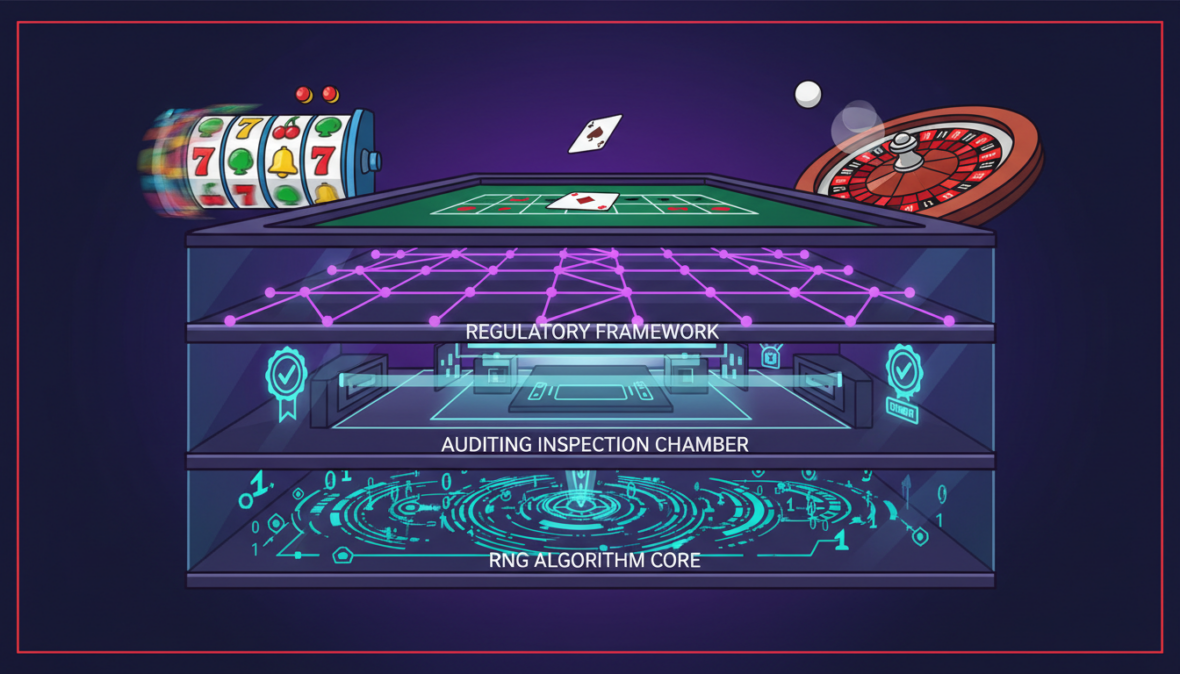
Online gaming has grown rapidly, generating both enthusiasm and skepticism. With millions of players from around the world participating in online casinos, poker rooms, and sportsbooks, the stakes have never been higher. As the industry expands, so do the questions around game integrity, transparency, and the safeguards in place to protect players. Key concerns include whether each spin, roll, or deal is truly random and what assurances exist against rigged games. The perception of fairness is crucial, as trust forms the backbone of the online gambling industry. Without robust assurances and visible standards, players may be hesitant to invest their time and money. The answer lies in the technology and regulatory processes that support modern gaming, especially the Random Number Generator (RNG) and independent auditing bodies that certify game integrity. These two pillars not only provide confidence for players but also shape the reputation of operators within the competitive landscape. This article explains how fair play is ensured, clarifies the technology and regulations involved, and outlines steps players can take to verify game fairness. By the end, you will have a thorough understanding of how randomness, oversight, and transparency work together to protect players and maintain the integrity of the gaming experience. Armed with this knowledge, you can approach online gaming with greater confidence and discernment.
What Is a Random Number Generator (RNG)?
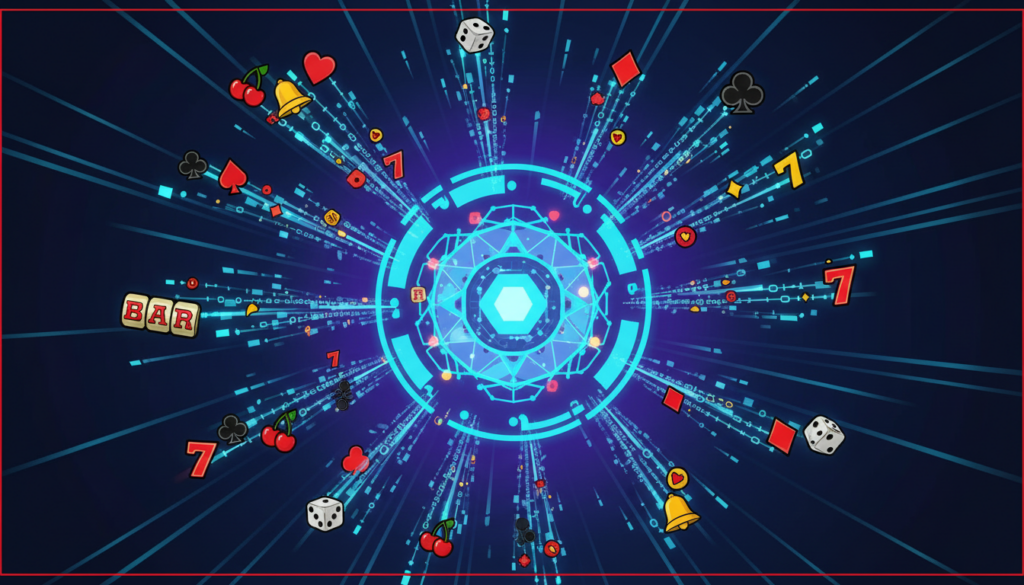
Every legitimate digital casino game relies on a Random Number Generator. These complex systems are at the core of every spin, card shuffle, or dice roll, and are fundamental to producing outcomes that are fair and unbiased. An RNG is an algorithm that produces sequences of numbers without patterns, ensuring outcomes are unpredictable and random. The use of RNGs extends beyond just slots and table games; it is also important in digital card shuffling for online poker, lottery draws, and virtual sports events. Without an effective RNG, the entire premise of fair gaming would collapse, as predictability could be exploited by players or, worse, by unscrupulous operators. This would not only undermine the individual game but could also cause widespread distrust throughout the industry, potentially harming legitimate operators. Thus, the reliability of RNGs is paramount for both players and the industry.
Types of RNGs
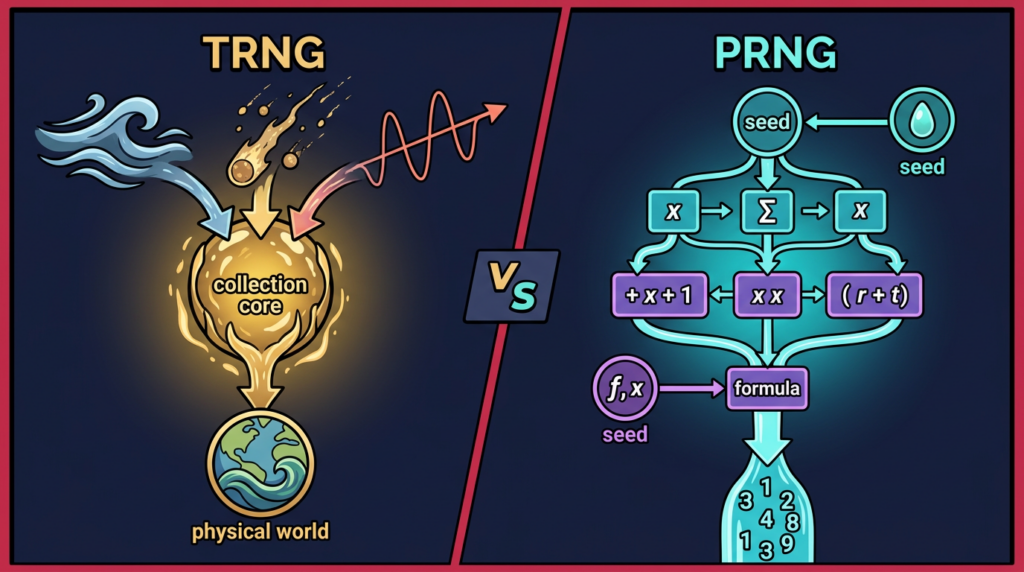
- True RNGs (TRNGs):
- These use physical processes (like atmospheric noise or radioactive decay) to generate randomness. By measuring unpredictable events in the physical world, TRNGs produce data that is virtually impossible to replicate, ensuring true randomness. In some environments, TRNGs are used for critical cryptographic applications and secure transactions, where the highest standards of unpredictability are required. While extremely random, TRNGs are not commonly used in online gaming due to latency, cost, and practicality concerns. The need for rapid, real-time results in online games makes TRNGs less suitable for most platforms, though they may be used in highly secure systems for additional layers of unpredictability. However, as technology advances and hardware-based random sources become more accessible, it’s possible that future platforms may incorporate more TRNG elements to enhance randomness.
- Pseudo-Random Number Generators (PRNGs):
- Most online games use PRNGs, which rely on algorithms and an initial seed value to generate long sequences of numbers that appear random. Unlike TRNGs, PRNGs do not depend on external physical phenomena, but instead use mathematical formulas to simulate randomness. Most online games use PRNGs, which generate long sequences of numbers that appear random using algorithms and a seed value. The seed value itself may be derived from unpredictable sources, such as user input timing or server events, further enhancing the apparent randomness. Although deterministic, a well-designed PRNG makes outcome prediction nearly impossible without access to the seed and algorithm, as the output is sufficiently complex to thwart any attempts at reverse-engineering. The algorithm then churns out a sequence of numbers at high speed, often generating thousands of possible outcomes per second. This efficiency is crucial for online gaming, where servers must process vast numbers of simultaneous actions and ensure that each result is resolved instantly for the player. Each number in the sequence can determine the outcome of a game event: which card is dealt, where the roulette ball lands, or the arrangement of slot symbols. PRNGs are favored for their speed, efficiency, and scalability, making them ideal for the demands of high-traffic online gaming sites. To maintain randomness and prevent predictability, reputable operators will regularly reseed their PRNGs, leveraging new sources of entropy to refresh the sequence and further reduce the risk of manipulation.
Key Points:
- The process is so rapid and complex that even casino operators cannot predict or manipulate results. Modern PRNGs are tested to ensure that no patterns, cycles, or biases emerge over millions of iterations, helping to guarantee fairness over the long term. In addition to laboratory testing, real-world monitoring is often used to analyze game logs and detect any irregularities or deviations from expected randomness. This sophisticated level of unpredictability is why online gaming platforms can confidently assure players that each outcome is independent and free from human interference. By employing best-in-class PRNG solutions, platforms build an environment where players can focus on enjoyment rather than worry about integrity.
- Each spin or deal is independent, unaffected by previous outcomes.
Why Is RNG So Important?
Fairness is the cornerstone of gaming integrity. It is the foundation upon which player trust and industry reputation are built. Every interaction, from the casual player spinning a slot for fun to the high-stakes poker enthusiast, relies on the guarantee that the game is not rigged. Without a reliable RNG, outcomes could be manipulated by operators or malicious actors, leading to potential fraud and loss of trust. Such breaches of fairness can have long-lasting consequences, not only for individual players but for the industry as a whole. RNGs are critical for several reasons, as they affect not just the casino’s credibility but also the broader perception of online gambling as a legitimate form of entertainment. In a world where digital transactions and virtual interactions can often feel intangible, the assurance of fairness provided by robust RNGs is more important than ever. As online gaming continues to evolve and attract new audiences, maintaining and demonstrating fairness will remain a top priority for responsible operators.
- Regulatory Compliance: Gambling authorities require the use of certified RNGs to issue licenses.
- Game Variety: RNGs enable a wide range of outcomes, supporting innovative and engaging games.
Auditing Bodies: Guardians of Game Integrity
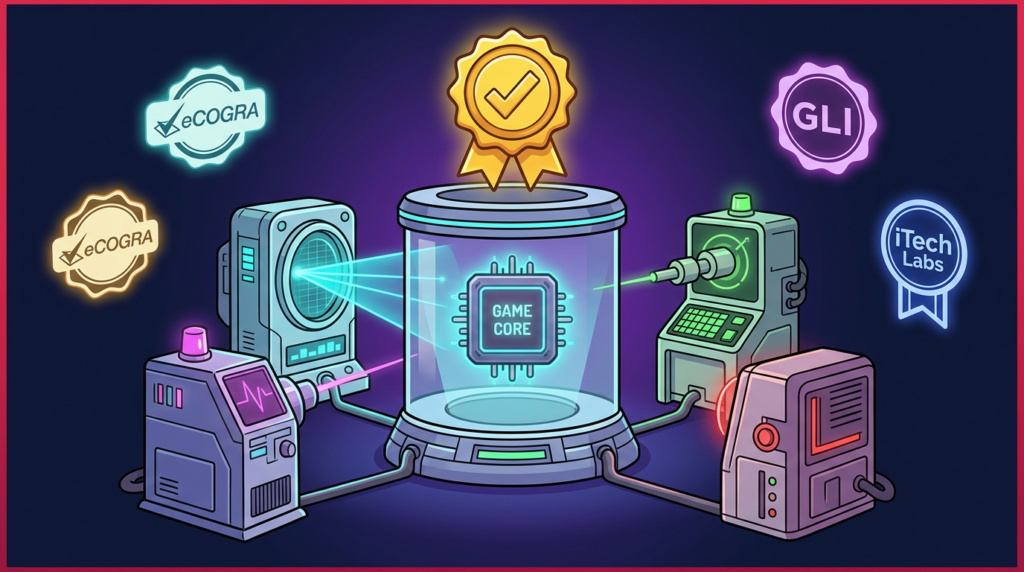
RNGs are only as trustworthy as their oversight. Independent auditing bodies test, certify, and monitor RNGs and game software to ensure fairness and transparency.
Who Are the Main Auditing Bodies?
- eCOGRA (eCommerce Online Gaming Regulation and Assurance):
- eCOGRA is a leading, internationally approved testing agency specializing in certifying online gaming software and systems.
- Its “Safe and Fair” seal is considered a gold standard for reputable casinos.
- GLI (Gaming Laboratories International):
- GLI tests and certifies gaming equipment and software for both land-based and online casinos worldwide.
- iTech Labs:
- iTech Labs is an independent testing laboratory that certifies RNGs and gaming software for compliance with international standards.
- TST (Technical Systems Testing):
- TST, now part of GLI, has been a trusted name in gaming software auditing for decades.
What Do Auditing Bodies Test?
- RNG Functionality: Verifying that the RNG generates unpredictable and statistically random results.
- Return to Player (RTP): Ensuring that the advertised payout rates are accurate and achievable in practice.
- Game Logic: Checking that the game rules are implemented correctly and consistently.
- Security: Assessing whether software is protected from tampering or hacking.
The Certification Process
- Submission: Game developers or operators submit their software for testing.
- Testing: Auditors conduct extensive simulations and statistical analyses, often running millions of game rounds.
- Certification: If the software passes, it receives a certificate and often a visible seal for players to identify.
- Ongoing Audits: Many auditing bodies require periodic retesting to maintain certification.
How Can Players Confirm Fairness?
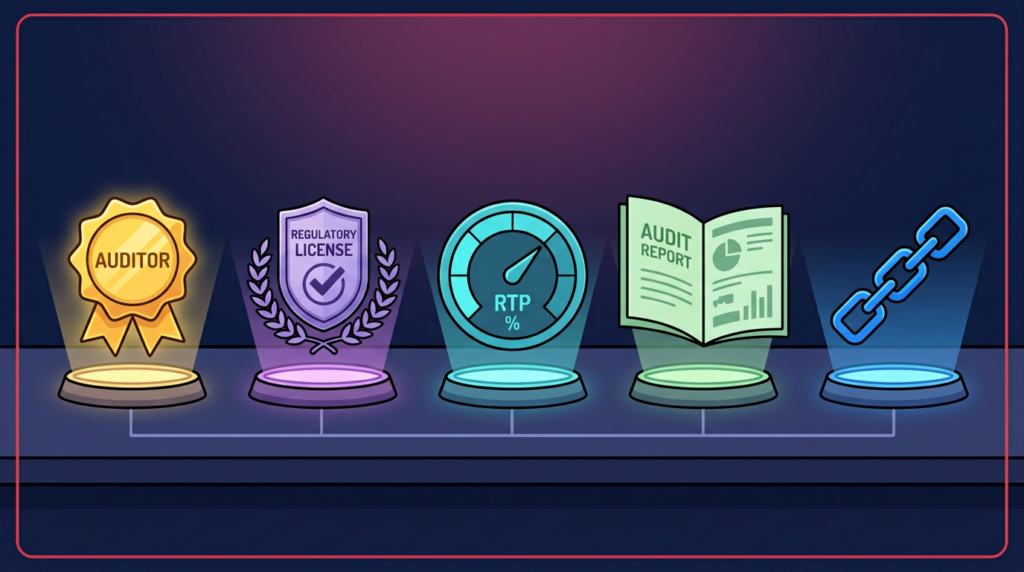
While industry standards and oversight provide strong protection, informed players can take further steps to confirm a game’s fairness.
1. Check for Certification Seals
Look for seals from reputable auditors (eCOGRA, GLI, iTech Labs, etc.) in the website’s footer or in the “About Us” or “Fairness” sections. These seals often link to a certificate or report confirming compliance.
2. Review Licensing Information
Legitimate casinos are licensed by reputable jurisdictions, such as the Malta Gaming Authority, UK Gambling Commission, or Gibraltar. These authorities require strict adherence to fairness protocols, including RNG certification.
3. Examine RTP and Game Rules
- RTP (Return to Player): This peRTP (Return to Player): This percentage indicates the theoretical payout over time. Certified games disclose their RTP in game information or rules, and auditors test RTPs to ensure accuracy. Provide clear, accessible information about game mechanics and payout structures.
4. Read Audit Reports
Some casinos and software providers publish audit summaries for public review. These documents explain the testing process, frequency, and results, offering players greater confidence.Community feedback can be valuable. While not definitive, widespread complaints about fairness or payment issues should be considered a warning sign.
6. Provably Fair Games
A groA growing trend, especially in cryptocurrency casinos, is the use of “provably fair” technology. Cryptographic algorithms allow players to verify that each game round’s outcome was not manipulated. This system provides unprecedented transparency and gives players direct access to verification tools. The Study: How a Slot Spin Is Determined
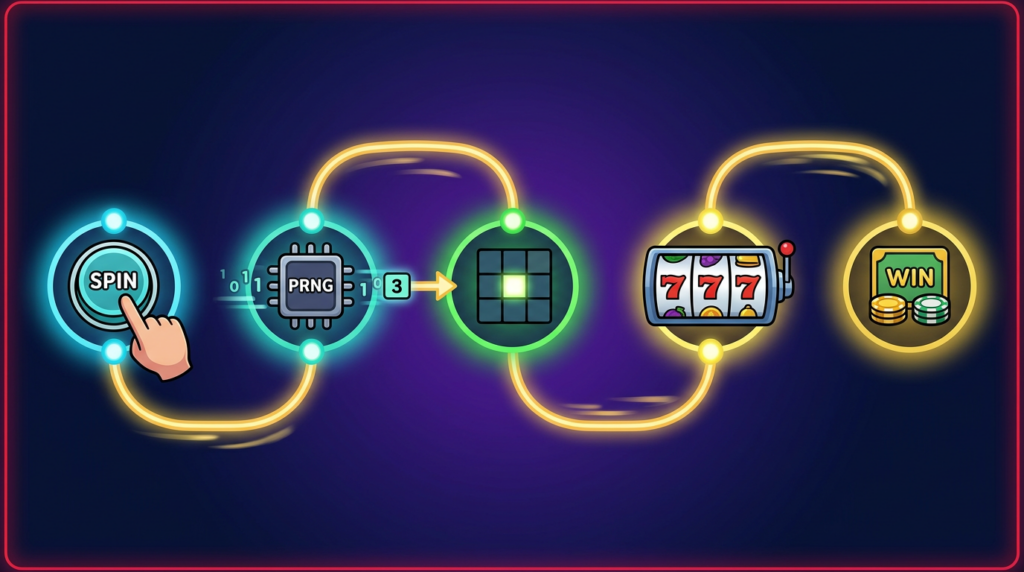
To ilTo illustrate, here is a typical slot machine spin process: yer Initiates Spin: Clicking “spin” signals the game software to generate a result.
- PRNG Selects Outcome: The PRNG produces a random number instantly.
- Mapping the Number: This number maps to a specific outcome from a predefined set (such as a combination of symbols for a slot).
- Outcome Displayed: The game engine displays the result (e.g., matching three cherries).
- Payout Calculation: If the outcome matches a winning combination, the corresponding payout is awarded.
This entire process occurs in milliseconds, and the RNG ensures that neither the player nor the operator can predict or influence the result. Pressing Common Myths About RNGs
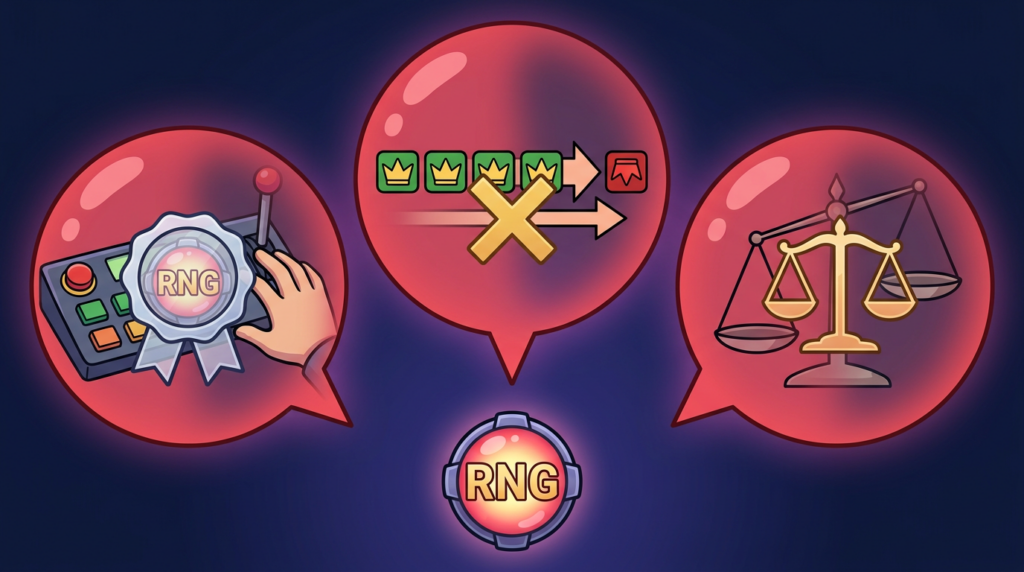
Myth 1: “The Casino Can Change the RNG at Will”
In reIn regulated environments, any change to the RNG or game logic requires re-certification. Audited casinos cannot alter their RNGs without detection, as changes would invalidate their certifications and licenses.h 2: “Winning Streaks or Losses Affect Future Outcomes.”
Each spin or deal is independent. Past results do not affect future outcomes. There is no such thing as a “hot” or “cold” slot, or a game that “owes” a payout.
Myth 3: “Games Are Rigged Against Players”
While the house always has an edge, as reflected in the RTP, certified RNGs ensure every outcome is random and fair. Reputable casinos have no incentive to rig games, as their business depends on trust and long-term player retention.
The Role of Regulation and Enforcement
A robust regulatory framework supports every fair game. Regulatory bodies enforce strict standards for:
- RNG certification
- Game fairness
- Secure handling of player funds
They also conduct random audits and investigate complaints. Non-compliance can result in significant penalties, license revocation, or criminal charges.
The Future: Blockchain and Transparency
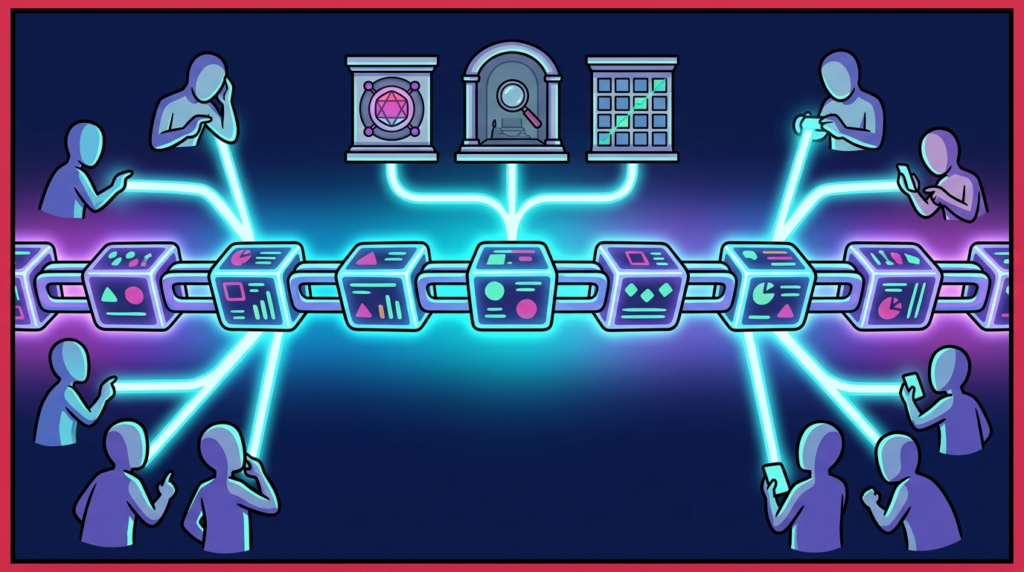
Blockchain technology represents the next frontier in game integrity. By recording every game outcome on a public ledger, blockchain-based gaming offers unmatched transparency. Players can independently verify every spin or deal, creating a trustless environment. Although still in early adoption, this technology is expected to further increase player confidence in game fairness.
Conclusion: Empowering Players Through Knowledge
A fair spin results from advanced technology, rigorous oversight, and informed participation. RNG algorithms ensure unpredictability, independent auditors verify integrity, and regulatory bodies enforce compliance. Players have the tools to confirm and trust game fairness, making online gaming both exciting and secure. By understanding how fair play is maintained, players can participate with confidence, knowing every outcome is as random and fair as technology allows.