

The Evolution of Slot Graphics: From 8-Bit to 4K
 Niklas Ackermann
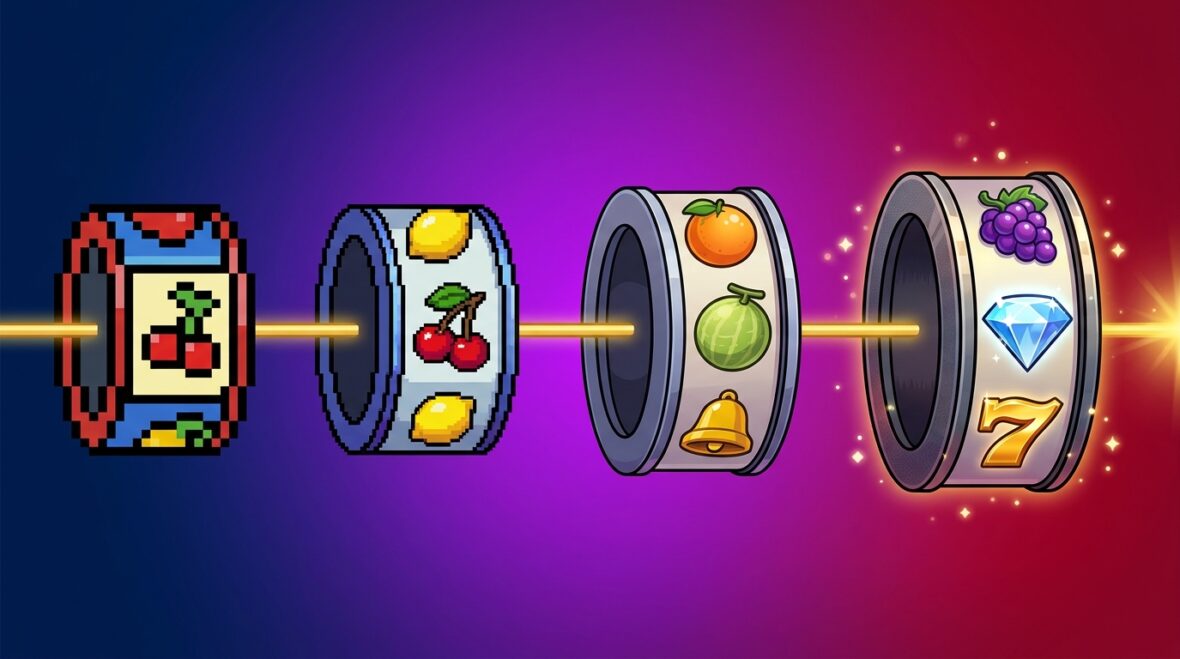
Remember those arcade games from your childhood, the ones with blocky sprites and a limited palette of colors? Now, think about the latest video games, with their hyper-realistic environments, intricate character models, and cinematic flair. The journey of slot machine graphics mirrors this incredible technological progress, transforming what was once a simple mechanical device into a sophisticated digital entertainment experience. As someone who has watched this industry grow and adapt for decades, I can tell you the visual story of slots is as compelling as any blockbuster.
When we talk about the evolution of slot graphics, we’re not just discussing superficial changes. We’re exploring how advancements in computing power, display technology, and artistic vision have fundamentally reshaped how players interact with and perceive these games. It’s a narrative of constant innovation, driven by a desire to captivate, entertain, and deliver ever more immersive experiences.
The Dawn of Digital: 8-Bit Beginnings
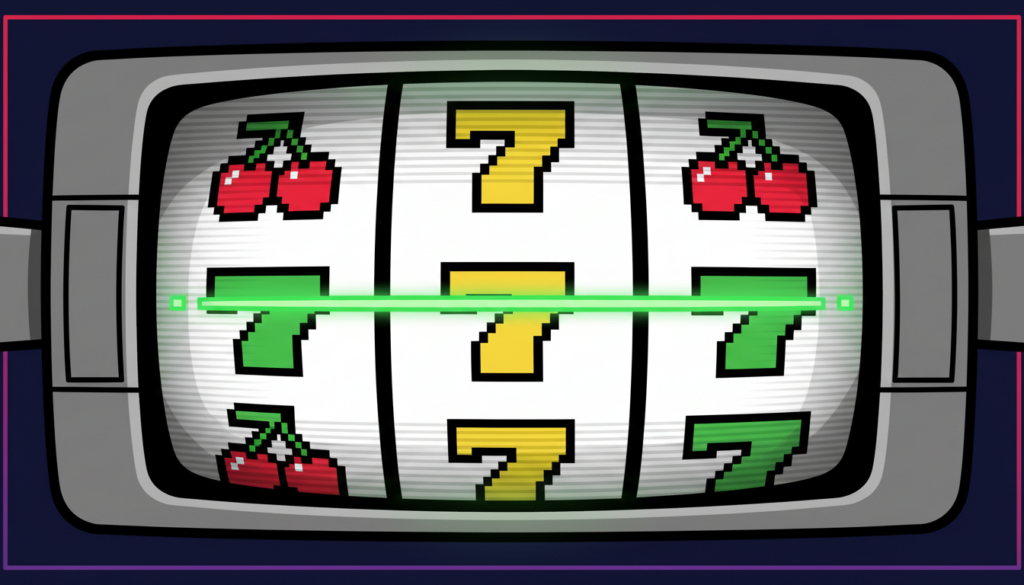
Let’s rewind to the beginning of the digital age for slot machines. Before microprocessors brought us glowing screens, slots were entirely mechanical contraptions, spinning reels adorned with painted symbols. The first digital iterations, emerging in the late 1970s and early 1980s, were a revelation, even if they appear primitive by today’s standards.
These early digital slots often featured graphics best described as 8-bit. Think Atari 2600 or early Nintendo Entertainment System. The screen resolutions were low, typically measured in a few hundred pixels across. Colors were severely limited, perhaps 16 or 256 at most, leading to a somewhat stark, pixelated aesthetic. Symbols like cherries, bells, and sevens were rendered as simple, blocky shapes. Animations were rudimentary: a symbol might flash or wiggle slightly upon a win, but complex movements were out of the question.
The charm of these machines lay in their novelty. The transition from physical reels to digital representations opened up new possibilities, even if those possibilities were constrained by the hardware of the era. Sound effects were equally basic, often synthesized beeps and boops that accompanied wins or spins. There was a directness to these games, a clear functionality that prioritized the core mechanic of spinning and winning over elaborate visual storytelling. Players accepted these limitations because the technology itself was exciting. It was the first step away from purely mechanical chance and towards a more interactive, albeit still basic, digital experience.
The Power of Pixels: Early Visual Storytelling
Despite their graphical limitations, these early digital slots began to hint at the potential for visual storytelling. While a far cry from narrative-driven video games, the ability to display a multitude of different symbols and simple backgrounds meant themes could be explored beyond generic fruit or card suits. Think of the transition from a simple “BAR” symbol to a rudimentary depiction of a treasure chest or a cartoon character. These were baby steps, but they laid the groundwork for the rich thematic diversity we see today. The visual language was sparse, but effective in its simplicity, relying on established iconography to communicate game states and potential rewards.
The Leap to 16-Bit and Beyond: More Colors, More Detail
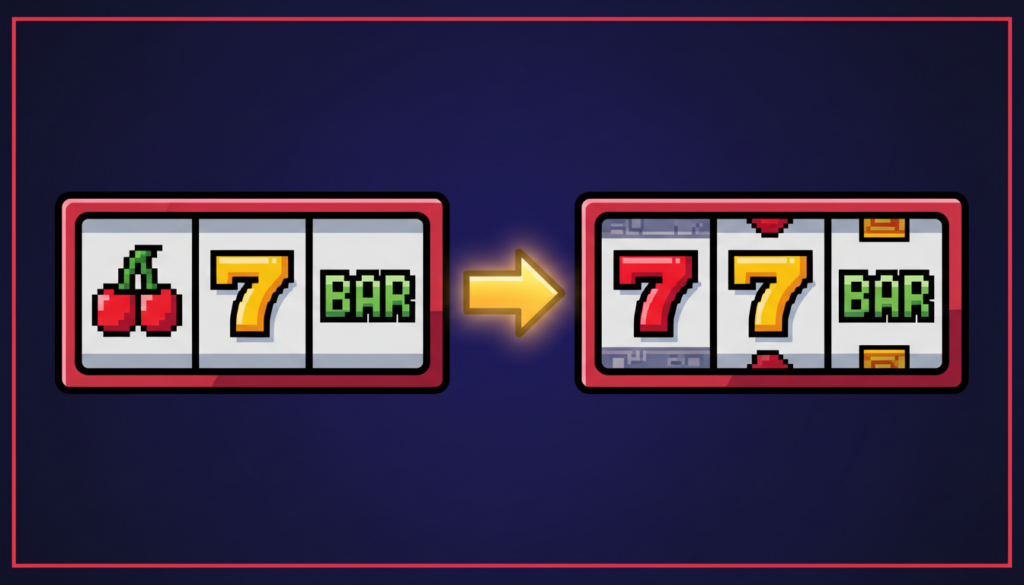
As the 1980s progressed into the 1990s, computing power grew, and with it, the graphical capabilities of slot machines. We moved beyond the strictures of 8-bit, entering a period akin to the 16-bit era of home consoles like the Super Nintendo or Sega Genesis. This jump brought a significant increase in color depth and resolution. Instead of a handful of colors, developers now had access to thousands, allowing for much smoother gradients, more nuanced shading, and a richer overall visual presentation.
Symbols became less blocky and more detailed. Cherries looked more like actual fruit, and characters gained more distinct features. Backgrounds, which were once static and simple, started to incorporate more intricate designs, sometimes even suggesting depth through basic parallax scrolling techniques. Animations also saw a substantial upgrade. Winning combinations could trigger more elaborate sequences, with symbols morphing, glowing, or interacting with each other in small ways. This added a layer of excitement and immediate gratification that was absent in the earlier machines.
The shift wasn’t just about making things look “nicer.” It was about creating a more engaging atmosphere. Themes became more pronounced. Instead of just a “gold” symbol, you might see a detailed rendering of a gold coin with glints of light. Games could now hint at narratives, even if those narratives were still largely implied rather than explicitly told. This period represented a crucial intermediate step, demonstrating that graphical fidelity could directly enhance player immersion and appeal. It showed that players responded positively to richer visuals, pushing developers to continuously improve.
The Rise of Thematic Depth
With better graphics came the ability to explore more complex themes. Developers could now render a wider array of symbols, characters, and background elements, allowing for games centered around specific historical periods, fantastical creatures, or popular cultural tropes. This was a critical point in the evolution, as it moved slots further away from being purely mechanical devices and closer to being themed entertainment experiences. The visuals became a key part of the game’s identity, drawing players in with promises of adventure, mystery, or whimsical fun.
The Advent of 3D: From Blocky to Believable
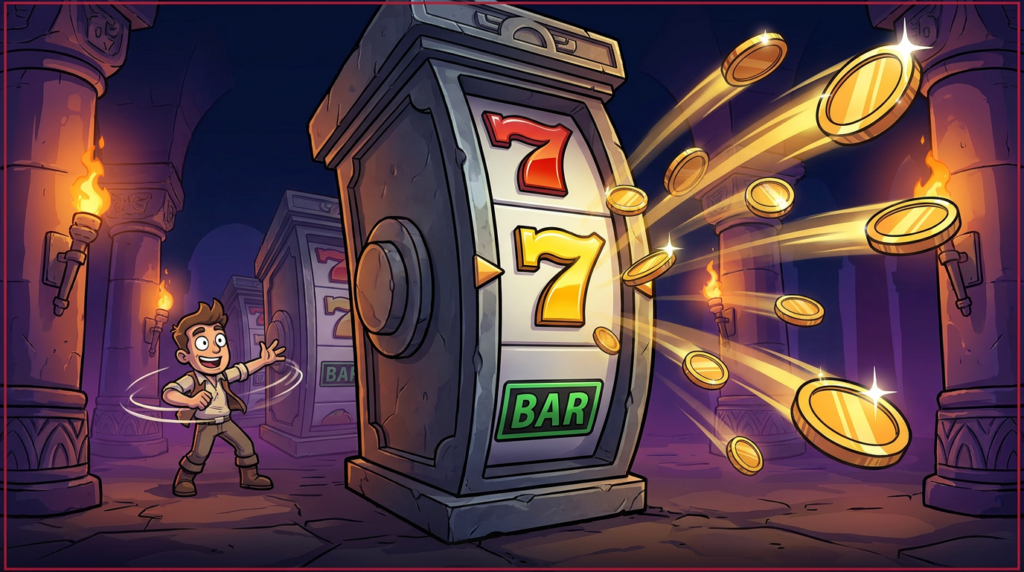
The late 1990s and early 2000s ushered in the age of 3D graphics, a truly transformative moment for the gaming industry as a whole, and slot machines were no exception. Initially, 3D graphics in slots, much like in early console games, could appear somewhat clunky or angular. Polygons were visible, textures were basic, and character models sometimes had a rigid quality. Yet, even in its nascent form, 3D offered a profound advantage: depth and perspective.
Suddenly, slot reels weren’t just flat images on a screen. They could appear to recede into the background, spin with a genuine sense of three-dimensionality, and be surrounded by fully rendered environments. Characters could move with more fluidity, turning and gesturing instead of just animating in two dimensions. This allowed for more sophisticated animations, such as a bonus character walking across the screen or a winning combination triggering an explosion of coins that truly seemed to fly towards the player.
The introduction of 3D graphics also enabled cinematic sequences. When a player triggered a bonus round, the screen might transition to a short, pre-rendered animated scene, setting the stage for the feature. This added a layer of spectacle and anticipation that was previously impossible. It blurred the lines between slot machines and traditional video games, appealing to a generation of players who had grown up with 3D gaming experiences. The visual spectacle became a significant draw, making the act of playing feel more like an active participation in a mini-story rather than just pressing a button.
Enhancing Engagement with Environmental Richness
The 3D era meant that game environments could become truly immersive. Instead of a static background image, players might find themselves in an ancient temple, a bustling city street, or a deep-sea cavern, all rendered with a sense of space and atmosphere. Lighting effects became more sophisticated, with shadows and highlights adding to the realism. This environmental richness contributed significantly to the player’s emotional connection with the game, making the experience feel more engaging and less sterile.
High Definition and the Cinematic Era

The mid-2000s brought us high-definition (HD) displays, first in our living rooms and then, inevitably, to slot floors and online platforms. This marked another monumental leap in graphical fidelity. HD resolutions (720p, then 1080p) meant that the intricate details of 3D models could be rendered with astonishing clarity. Textures became incredibly sharp, allowing for realistic depictions of materials like polished gold, worn wood, or shimmering fabric.
This era saw slot games truly embrace a cinematic quality. Developers began employing professional animators and artists to create games that looked like they belonged on a movie screen. Character animations became smoother, more expressive, and more lifelike. Lighting effects evolved from simple highlights to complex global illumination, casting realistic shadows and reflecting light in believable ways. Particle effects, such as sparks, smoke, or glittering dust, added another layer of visual polish.
Many games from this period started to incorporate licensed intellectual property (IP), drawing on popular movies, TV shows, and video games. The ability to faithfully recreate beloved characters and settings in high definition was a massive draw. Players weren’t just spinning reels; they were interacting with their favorite franchises in a new way. The line between a slot game and a fully-fledged video game became thinner than ever, with bonus rounds often resembling mini-games complete with distinct objectives and narrative elements. The overall player experience shifted from merely gambling to participating in a visually rich, interactive narrative.
Storytelling Through Visuals and Sound
The combination of HD graphics and sophisticated sound design allowed for genuinely compelling storytelling. Games could now weave intricate narratives through their bonus rounds, character interactions, and even subtle visual cues on the reels. The visuals were no longer just decorations; they were integral to the game’s identity and its ability to draw players into its unique world. This era solidified the idea that a slot game could be a complete entertainment package, not just a mechanism for chance.
The Mobile Revolution and Cross-Platform Design
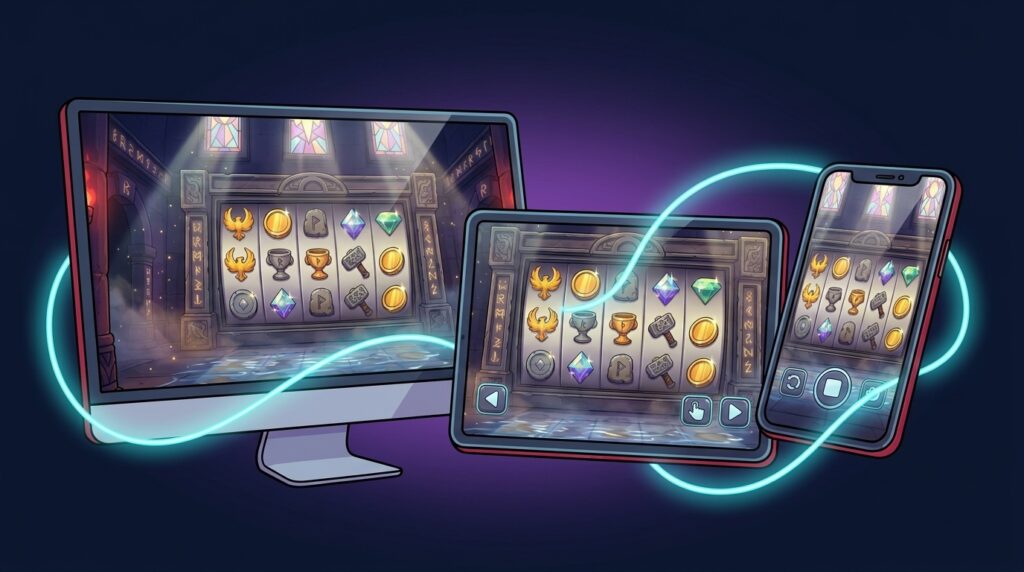
Just as slots were hitting their stride with HD graphics, the widespread adoption of smartphones and tablets introduced a new set of challenges and opportunities. The mobile revolution demanded that games be optimized for smaller screens, touch interfaces, and varying levels of processing power. This required a thoughtful approach to graphics design.
Developers had to ensure that the visual quality, while perhaps scaled down for mobile, still retained the essence and appeal of their desktop or land-based counterparts. This led to the rise of responsive design, where graphics and user interfaces adapt seamlessly to different screen sizes and orientations. Icons needed to be clear and touch-friendly, animations had to run smoothly on less powerful hardware, and the overall visual clarity needed to be maintained despite reduced screen real estate.
This period emphasized the importance of efficient asset creation. Graphics needed to be high quality but also optimized for quick loading times and minimal data usage, especially for online play. The challenge was to deliver a premium visual experience regardless of the device. This cross-platform approach ensured that players could enjoy their favorite games with consistent graphical fidelity, whether they were on a large desktop monitor or a compact smartphone screen. It democratized access to visually rich slot experiences, making them available anytime, anywhere.
Prioritizing User Experience on Smaller Screens
Designing for mobile meant a renewed focus on user experience (UX). Graphics had to be not only appealing but also functional. Clear typography, intuitive button placement, and easily discernible symbols became paramount. The visual design had to guide the player effortlessly through the game, making the touch interaction feel natural and responsive. This pushed developers to refine their graphical assets, ensuring that every pixel served a purpose in enhancing the player’s interaction.
Today’s Cutting Edge: 4K, VR, and Beyond
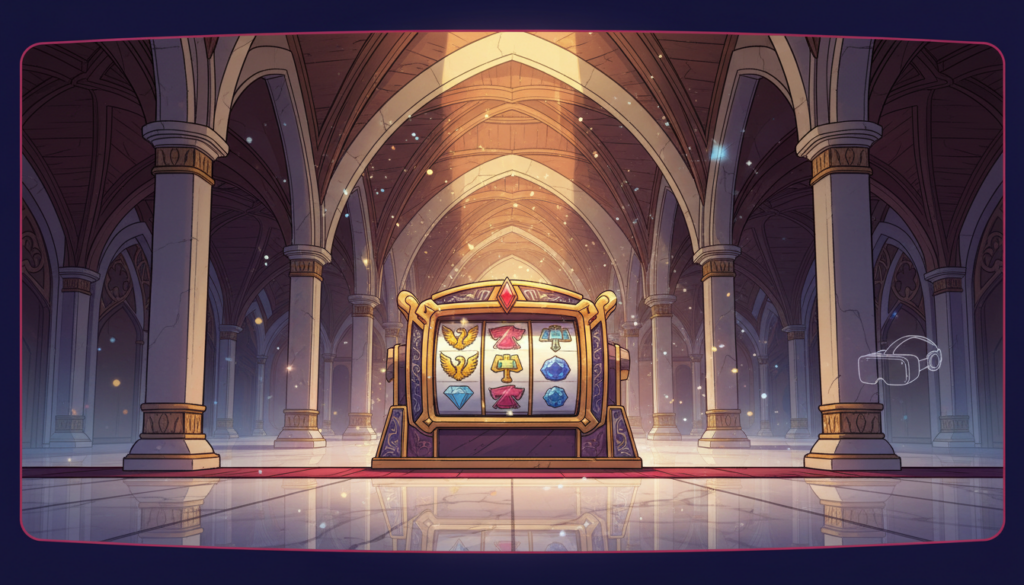
And now we arrive at the present, where slot graphics are pushing the boundaries of what’s possible, much like the broader gaming industry. The advent of 4K resolution displays has brought an unprecedented level of detail and sharpness to slot games. Every texture, every particle, every character model can be rendered with incredible fidelity, often indistinguishable from real-life objects or high-budget CGI.
Modern slot games leverage advanced rendering techniques, including physically based rendering (PBR), which accurately simulates how light interacts with different materials. This results in incredibly realistic reflections, refractions, and shadows. Sophisticated particle systems create stunning visual effects, from cascading waterfalls to explosive bonus celebrations. Real-time lighting and intricate environmental details contribute to a feeling of being truly within the game world.
Beyond 4K, the future is already here in nascent forms. Virtual Reality (VR) and Augmented Reality (AR) are beginning to make their way into the conversation. Imagine stepping into a fully immersive VR casino, where slot machines aren’t just flat screens but interactive 3D environments you can walk around and engage with. While still in early stages for widespread adoption in slots, the potential for these technologies to completely redefine the player experience is enormous, offering a level of immersion that transcends current flat-screen limitations.
The convergence of slot design with mainstream video game development continues. Many modern slot games employ graphics engines and artistic talent on par with AAA video game titles, delivering visually stunning experiences that prioritize engagement and entertainment alongside the core mechanics of chance.
The Art of Hyper-Realism and Immersion
The pursuit of 4K and beyond is about achieving hyper-realism and maximizing immersion. It’s about making the game world feel tangible, making characters seem alive, and making every visual cue contribute to a rich, sensory experience. This level of graphical sophistication transforms the act of playing into a truly premium entertainment offering, appealing to players who appreciate high production values and cutting-edge technology.
The “Why”: More Than Just Pretty Pictures

It’s easy to get caught up in the technical jargon of resolutions and rendering, but it’s crucial to understand why this graphical evolution matters so much. It’s not just about making games look “prettier” (though that’s certainly part of it). The continuous improvement in slot graphics serves several fundamental purposes:
- Enhanced Player Engagement: Visually appealing games hold attention longer. Rich graphics create a more stimulating environment, making the act of playing more enjoyable and less monotonous. When a game looks good, players are more likely to spend time exploring its features.
- Storytelling and Thematic Depth: Better graphics enable more elaborate themes and narratives. A game about ancient Egypt becomes more compelling when you can see intricately carved hieroglyphs and shimmering treasures. This thematic depth creates an emotional connection, drawing players into the game’s world.
- Differentiation in a Crowded Market: The slot market is incredibly competitive. High-quality graphics are a key differentiator in new slot promotions - En new slot promotions, helping games stand out from the multitude of options available. A visually superior game often signals a higher production value and a more polished experience.
- Clarity and User Experience: While not always obvious, improved graphics contribute to better readability and understanding of game mechanics. Clear, well-rendered symbols and animations make it easier to follow the action, understand winning lines, and grasp bonus features.
- Emotional Impact: The “wow” factor of stunning visuals can elicit stronger emotional responses. A spectacular win animation or a dramatic bonus sequence, rendered in high definition, amplifies the feeling of excitement and reward. It taps into the psychological aspect of play, making the victories feel more significant.
- Perceived Value: Players often associate high-quality graphics with a premium product. Even if the underlying math model is similar, a visually superior game can feel more rewarding and sophisticated, leading to a perception of greater value.
The journey from rudimentary pixels to photo-realistic worlds has been about constantly striving to create a more compelling, more engaging, and ultimately, more entertaining experience for the player. Graphics are the window into the game’s soul, and as that window has become clearer and more detailed, the experiences offered have deepened profoundly.
Getting Started with Modern Slot Graphics
For players interested in experiencing these cutting-edge graphics firsthand, free spins - En free spins offer an excellent way to try new slots without the initial financial commitment. This allows you to explore the latest graphical innovations and discover which visual styles and themes resonate with you most. Many developers release their newest, most visually impressive titles alongside promotional campaigns that include generous free spins packages.
Additionally, free spins bundles for new releases - En free spins bundles provide an ideal opportunity to engage with the latest graphical advancements in modern slot design. These bundles often feature multiple games, allowing you to sample various visual styles and thematic approaches, from hyper-realistic environments to stylized artistic renderings.
The Future Glimmer
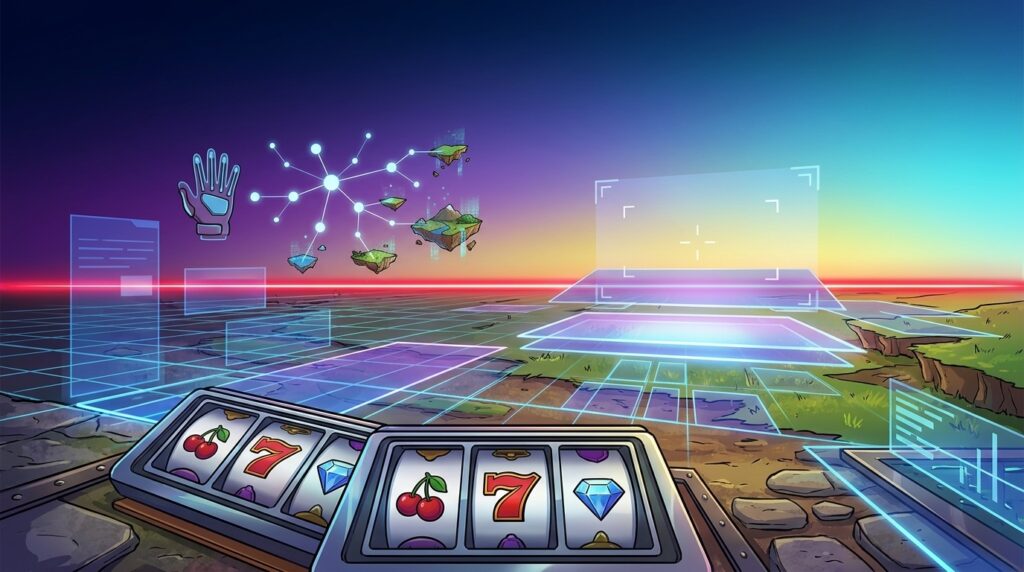
What comes next? If history is any guide, we can expect continued innovation. We might see further integration of Artificial Intelligence (AI) in generating procedural graphics, creating infinite variations of game environments or characters. Haptic feedback, allowing players to feel the spin of the reels or the impact of a win, could become more sophisticated. The blending of physical and digital worlds through augmented reality could bring slot elements directly into our living spaces.
The pursuit of realism will likely continue, but perhaps also an exploration of unique, stylized aesthetics that leverage advanced rendering techniques to create truly artistic and distinct visual experiences. One thing is certain: the evolution of slot graphics is an ongoing narrative, a testament to human ingenuity and the relentless drive to entertain. As an industry veteran, watching this transformation unfold has been nothing short of fascinating, and I’m genuinely excited to see what visual wonders the next decade will bring to the world of slots.