
Tournaments and Leaderboards: Strategies to Place High

Many of us who love the thrill of online casino games appreciate the satisfaction that comes with a big win. But what if you could combine that individual joy with the excitement of direct competition, putting your skills and luck to the test against numerous other players? That’s exactly what tournaments and leaderboards offer: they transform what can sometimes feel like a solitary pastime into a vibrant, competitive arena.
As someone who has followed the development and evolution of this industry over the years, I’ve watched these competitive structures grow from simple “highest bet” contests into complex, multi-stage events. They create an entirely new dimension of interaction, offering not just the chance to win prize money but also the glory of outperforming others. However, simply participating isn’t enough if you want to play at the very top. To truly excel, you need a well-thought-out approach, a good eye for detail, and a willingness to adapt.
This article doesn’t promise you a win, because let’s be honest: luck always plays a role in casino games. Rather, the goal is to equip you with the knowledge and strategy to significantly improve your chances of winning, understand the competitive environment, and make smart decisions that give you the best odds of achieving a high ranking. We’ll explore various game formats, key preparation steps, and tactical moves that can make all the difference.
Understanding the Market: Not All Competitions Are Equal
Before you even think about placing a bet, the first and most important step is to understand the specific rules of the tournament or leaderboard you’re entering. This sounds obvious, but you’d be surprised how many players jump in without reading the fine print, only to realize halfway through that their strategy doesn’t match the scoring system. Every competition has its quirks, and recognizing these differences is the foundation of any successful plan.
Different Tournament Formats
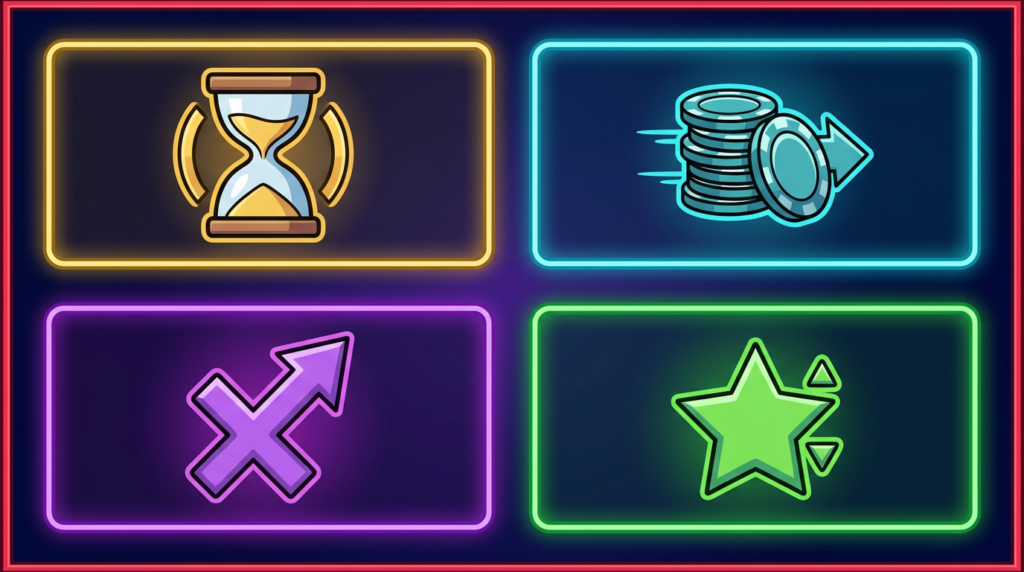
The way points are accumulated or winners are determined varies considerably. Knowing these differences is crucial for tailoring your gameplay.
- Time-Based Tournaments: These are straightforward. You have a set period of time (e.g., 30 minutes, one hour, one day) to play one or more specific games. Your score typically depends on your total winnings, total bets, or sometimes even the number of spins you complete within that timeframe. Game volume and efficiency within the time limit are often key here.
- Bet-Based Tournaments: In this format, your position on the leaderboard is determined by your total wagered amount over a set period. It’s less about hitting a big win on a single spin and more about consistent play and optimal use of your bankroll. The higher your bet, the higher your score.
- Win-Based (Multiplier) Tournaments: In this type of tournament, what matters is the size of your win relative to your bet. For example, a $100 win on a $1 bet earns you 100 points (a 100x multiplier), while a $100 win on a $10 bet earns only 10 points. Sometimes the single highest win counts regardless of the bet size, but the multiplier format is common. Here, volatility and the potential for high payouts play a crucial role.
- Points-Based Tournaments: These are often the most complex, as points can be awarded for various actions. Examples include one point for every win, bonus points for consecutive wins, points for triggering a bonus round, or even points for landing specific symbols. A precise understanding of the points distribution is essential.
- Loss-Based Tournaments (rarer, but they exist): Less common, some competitions award points based on net losses. This essentially gives players a second chance or a consolation prize for consistent play, even if they don’t score big wins. Always double-check for this, although it generally doesn’t encourage winning strategies.
Payout Structures

Beyond how you score, understanding what you’re playing for and how many prizes are available influences your approach. Many tournaments also offer tournament leaderboard rewards that go beyond the standard prize distribution.
- Fixed Prizes vs. Prize Pools: Some tournaments have fixed prizes (e.g., $1,000 for first place, $500 for second). Others feature a progressive prize pool that grows with the number of participants, significantly increasing the top prizes.
- Number of Winners: Does the winner take all? Are there prizes for the top 3, top 10, or even top 100? A broader prize distribution can encourage a more consistent, less aggressive strategy, while fewer prizes demand higher risks.
- Prize Type: Is it cash, bonus credit (with wagering requirements), free spins as prizes, or physical goods? Cash is most popular, but bonus credit can be valuable if the wagering requirements are reasonable. Free spins are tempting, but their value is often limited.
Always read the terms and conditions carefully. Pay attention to minimum bets, eligible games, wagering requirements for bonus winnings, and all other stipulations. This isn’t just a recommendation; it’s essential for any serious competitor.
The Foundation: Know Your Game
Once you understand the tournament rules, focus on the essentials: the casino games themselves. Success in these competitions depends not only on luck but significantly on your understanding of the chosen games.

Master the Mechanics
Every slot machine and table game has its own character. To succeed in a competitive environment, you need to know the games qualified for the tournament inside and out.
- Return to Player (RTP): This percentage indicates the theoretical return you can expect in the long run. A higher RTP generally means better long-term value. However, in a short tournament, its influence may be less direct than other factors. Still, it’s a good foundation for game selection.
- Volatility (Variance): This is perhaps the most critical factor for tournament games.
- Low-volatility games offer frequent, smaller wins. They are excellent for preserving your bankroll, accumulating points in bet-based or certain points-based tournaments, and extending your playing time.
- High-volatility games offer fewer wins, but those wins can be significantly larger. They are the top choice for win-based (multiplier) tournaments, where a single big win can catapult you to the top. They require patience and a larger bankroll to weather dry spells.
- Bonus Features: Familiarize yourself with free spins, re-spins, wild symbols, multipliers, and other game bonuses. Do they contribute to points? Do they offer the best chances for a high win? Knowing when and how these features are triggered can optimize your gameplay.
- Practice in Demo Mode: Before risking real money in a tournament, spend some time in demo mode. This allows you to experience the game’s volatility, understand the bonus rounds, and get a feel for the gameplay — all without financial pressure. This practice is invaluable for finding the best game for a specific tournament type.
Bankroll Management, Reimagined for Competition
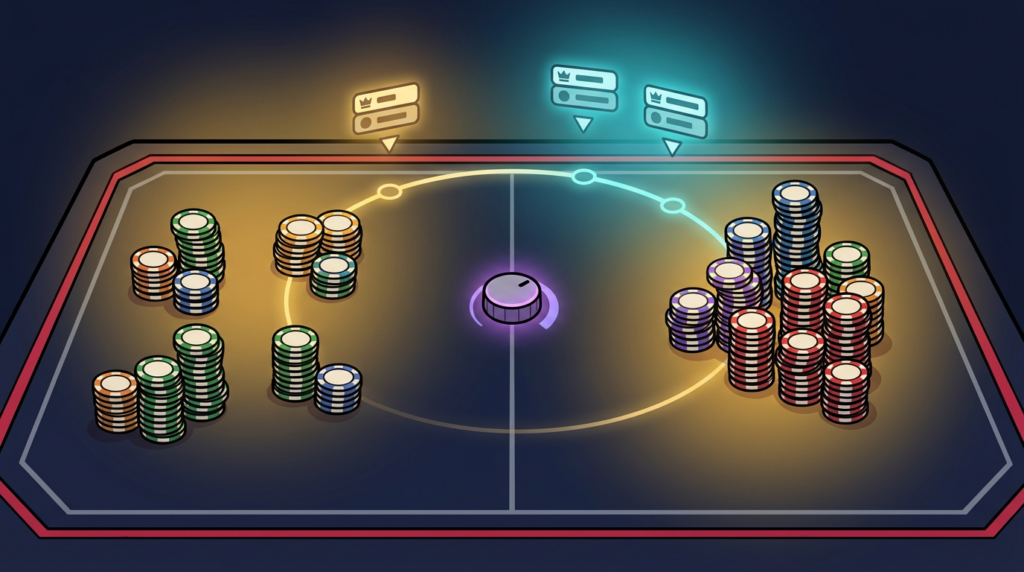
Traditional bankroll management is about playing responsibly and extending your enjoyment. In a tournament, it takes on a different strategic dimension. It’s not just about not losing all your money, but about using it optimally to achieve a high score.
- Strategic Longevity vs. Aggressive Betting: How you handle your gaming budget should depend on the tournament type and your current ranking. In a fixed-bet tournament, it’s vital to make your budget last as long as possible to place maximum bets. In a multiplier tournament, you might need to place higher, less frequent bets to hit that one big win, even if it shortens your playing time.
- Adjusting Bet Size: This requires finesse.
- Early Phase: It’s best to start with a moderate bet to gauge the competition and preserve your gaming budget.
- Mid-Game: If you’re falling behind or see a chance to overtake competitors, you can gradually increase your bet.
- End Phase: This is where the most important decisions are made. If you’re close to a prize spot, a strategic increase in your bet for a short period might be necessary to clinch the victory. If you’re far behind in a multiplier tournament, a few risky maximum bets could be your only chance.
- When to Save: Conversely, if you’re in a strong position with little time remaining, or if the competition has built an insurmountable lead, it may be wise to reduce your bets or even stop altogether to preserve your bankroll for future opportunities. Don’t throw good money after bad.
Strategic Play: More Than Just Spinning

With the rules understood and the game selected, it’s now about in-game strategy. This is where the competitive aspect truly unfolds, as you constantly react to the leaderboard and other players’ actions.
Early Game Tactics
The start of a tournament sets the tone for the entire course.
- Information Gathering: Don’t just start blindly. Watch the leaderboard. Are players immediately scoring high, indicating aggressive play? Or is progress slower? This initial data helps you determine your pace.
- Conservative Play vs. Aggressive Start:
- In high-bet tournaments, a steady, moderate approach is often best to increase game volume without busting out early.
- In multiplier tournaments, a few aggressive, higher bets at the start can be a sensible strategy to quickly achieve a high multiplier and secure a comfortable lead.
- Setting a Baseline: Try to achieve a respectable, but not necessarily leading, score in the early phase. This keeps you in the game and allows you to monitor the situation. Avoid going all-in too early, unless the tournament is very short and demands immediate high risk.
Mid-Game Adjustments
This is often the longest phase of a tournament and requires constant vigilance and adaptability.
- Constant Leaderboard Monitoring: This leaderboard is your lifeline. Check it regularly. Who is improving? Who is falling behind? What scores are needed for the prize ranks?
- Analyzing Competitors and Their Playing Patterns: If you see someone consistently scoring high, try to understand how they’re doing it (e.g., are they playing high-volatility games, or are they just getting lucky?). This helps you assess whether their strategy is suitable for you.
- Adjusting Bet Size and Game Selection: Depending on the leaderboard, you may need to increase your bet to catch up or decrease it to hold your position if others are slowing down. If the tournament allows multiple games, you can switch to a higher-volatility game if you need a high score, or a lower-volatility game if you want to accumulate consistent points.
- Accumulating Points Through Continuous Play: In many tournaments, especially those with bet-based or points-based systems, continuous and consistent play in the mid-game is the most effective strategy. This means long gaming sessions, disciplined betting, and a focus on steadily accumulating points.
Late Game Attacks
The final hours or minutes of a tournament are often the most exciting and frequently decide victory or defeat.
- High-Risk, High-Reward Play: If you’re outside the prize ranks and have little time left, you should significantly increase your bet for a final push. This is a calculated risk in the hope of a big win or a rapid points surge.
- Calculating Needed Points/Wins: Before launching a final push, do a quick mental calculation: How many points do you need to catch the next player? Is this realistic given your remaining bankroll and time? Avoid a desperate attempt if the math clearly shows it’s impossible.
- The Psychological Aspect: Staying calm is crucial in pressure situations. The leaderboard can change rapidly. Don’t let frustration or excitement dictate your actions. Stick to your plan, even if it involves taking a risk.
Special Strategies for Different Tournament Types
Let’s break down some specific tactical considerations for the most common tournament formats.
For Bet-Based Tournaments
The name says it all: total wagered amount is king.
- Volume is Key: Your primary goal is to place as many bets as possible. This often means choosing fast-paced games and using features like autospin if available.
- Lower RTP Games Can Be an Option (counterintuitively): Although a high RTP is generally preferred, in a purely bet-based competition, a game with a slightly lower RTP that allows you to cycle your money more efficiently (i.e., you don’t hit massive wins that throw you off, nor lose your entire bankroll too quickly) can sometimes be a strategic choice. The focus is on the wagered amount, not necessarily the net profit.
- Strategic Use of Autospin: If possible, autospin is your best friend. Set it to a comfortable bet that allows you to place many bets without depleting your bankroll too fast, and let it run. Keep an eye on it, of course, but automation helps increase volume.
For Win Multiplier Tournaments
This is all about landing the big one.
- Focus on High-Volatility Games: As mentioned, these games are designed to pay out less frequently but with significantly higher wins. This is exactly what you need to climb the multiplier leaderboard.
- Smaller Bets with Higher Potential Multipliers: Sometimes it’s smart to place smaller bets on high-volatility games. This gives you more attempts to trigger a big bonus round or hit a high multiplier without rapidly depleting your bankroll. A 1000x win on a $0.20 bet is 200 points; a 100x win on a $2 bet is also 200 points. The smaller bet allows for more spins.
- Patience and Luck Play a Larger Role Here: You can’t force a big win. You need to be patient, accept dry spells, and hope that luck is on your side at the crucial moments.
For Points-Based Tournaments
These require especially careful reading of the rules.
- Understand the Points System Precisely: This is extremely important. Is it 1 point per win? 5 points for a bonus round? 10 points for a specific symbol combination? Your entire strategy depends on it.
- Prioritize Actions That Yield the Most Points: If a bonus round gives significantly more points than regular wins, choose a game known for frequent bonus rounds and focus on triggering them. If consecutive wins grant bonus points, adjust your bet to achieve smaller, more frequent wins.
- Sometimes, Regular Small Wins Are Better Than Chasing Big Wins: If the points system rewards frequency or specific smaller achievements, a low-volatility game with smaller, more regular payouts can be more effective than hunting for rare, massive wins.
The Mental Game: Discipline and Observation
Beyond the numbers and techniques, your mindset is a powerful tool in any competition. Successful players often benefit from loyalty program advantages, which can give them extra edges in tournaments.
Emotional Control
- Avoid Tilt: This is every player’s biggest enemy. When things aren’t going your way, it’s easy to become frustrated and impulsively place higher bets to turn the game around. This quickly leads to losing your entire bankroll and ruining your tournament chances. Take a break, breathe deeply, and return with a clear head.
- Stick to Your Plan: You’ve done your research, understood the rules, and chosen your strategy. Don’t abandon it at the first sign of trouble or because someone else has temporarily taken the lead.
- Don’t Get Swept Up by Others’ Results: A high score at the top of the leaderboard can be intimidating. Don’t let it tempt you to change your playing style. Focus on your own strategy and what you realistically need to achieve. That top score could have been a lucky hit or made by a player burning through an unsustainably high bankroll.
Continuous Monitoring
- The Leaderboard is Your Best Friend: Keep it open and refresh it regularly. It provides you with real-time feedback.
- What are the top scores? How far behind are you? Is it realistic to catch up? These are questions you should constantly ask yourself. If you’re 500,000 points behind, with 10 minutes left, and your game typically awards 100 points per spin, it’s time to reconsider your strategy.
Knowing When to Quit (or Change Direction)
- Not Every Tournament Is Winnable: Sometimes, things just don’t go your way, or the competition is particularly strong. Recognize when a tournament is out of reach.
- Don’t Chase Unattainable Goals: This ties back to emotional control. If you clearly have no chance left, aggressive continued play will only deplete your bankroll further.
- Save Your Bankroll for the Next Opportunity: There will always be another tournament. Learning to bow out gracefully and save your money for a more promising competition is a sign of an experienced player.
Common Mistakes to Avoid
Even with the best intentions, players often fall into predictable traps.
- Ignoring the Rules: We started with this, and it’s worth repeating. It’s the most common mistake.
- Playing Games You Don’t Understand: Jumping into an unfamiliar game just because it’s tournament-eligible inevitably leads to failure. Stick to games you know, or take the time to learn them in demo mode first.
- Aggressively Chasing Losses: The urge to quickly recover losses can lead to irrational bets and a rapid depletion of your playing capital.
- Ignoring Bankroll Limits: Tournaments can be exciting, and that excitement can make you forget your personal limits. Always play within your means.
- Getting Carried Away by the Idea of Winning Rather Than Considering the Reality of the Competition: Dreaming about the prize money is nice, but it won’t win tournaments. Focused, strategic play will.
Conclusion
Winning or achieving a high leaderboard ranking in casino games is a rewarding experience that goes far beyond monetary gain. It proves your ability to think strategically, adapt, and remain disciplined under pressure. By understanding the specific format of each tournament, mastering your chosen games, intelligently managing your bankroll, and keeping a close eye on the competition, you significantly increase your chances of success.
Remember: while luck always plays a role, a well-thought-out strategy gives you a decisive advantage. Approach every tournament with careful preparation, a clear mind, and the willingness to adjust your tactics. Good luck, and may your spins be successful!