
Why I Mostly Skip Side Bets at the Table
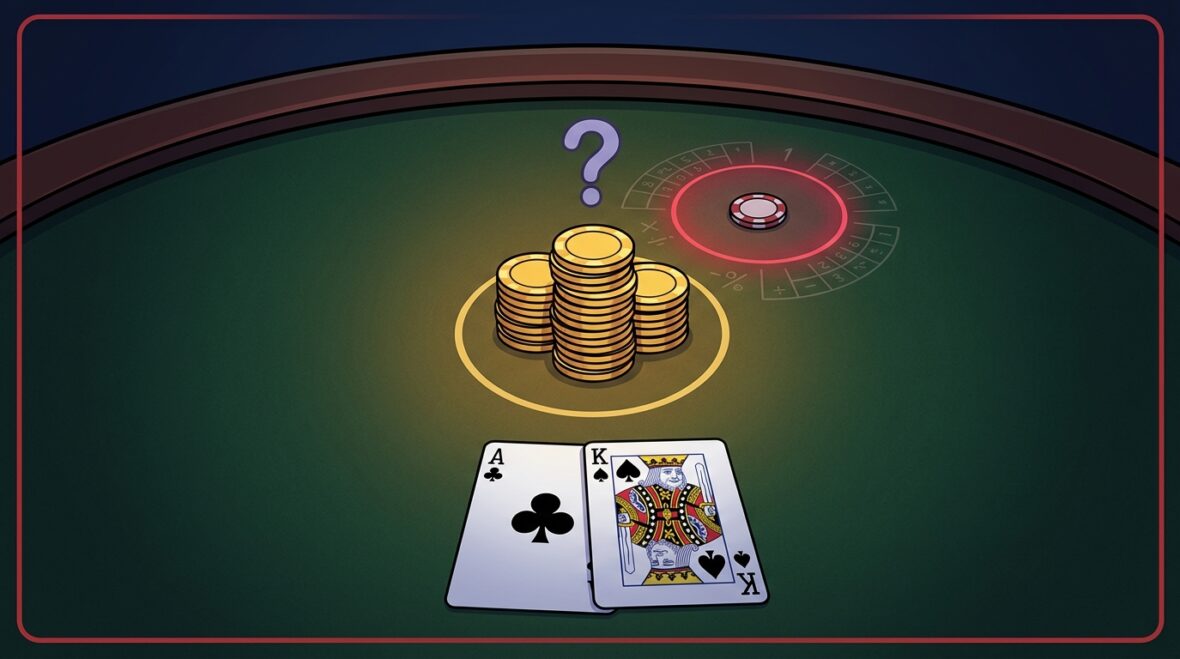
A dealer once asked, almost automatically, whether I wanted the perfect pairs side bet before dealing the next blackjack hand, and I said yes without really thinking about it. I lost that side bet eleven hands in a row before I finally stopped to ask myself why I kept saying yes. That streak is the whole reason I started actually reading the payout tables on side bets instead of treating them as a reflexive extra.
Side bets are everywhere at table games now, tacked onto blackjack, baccarat, roulette, and pretty much anything else with a base game simple enough to bolt an extra wager onto. They’re marketed as a way to add excitement or chase a bigger win alongside your main bet, and I’ve seen them at nearly every table I’ve sat down at across the top casinos list - En top casinos en I keep coming back to. Most of the time, once I actually looked at the math, they turned out to be a worse deal than the base game sitting right next to them.
The House Edge Gap Is Usually Larger Than People Expect
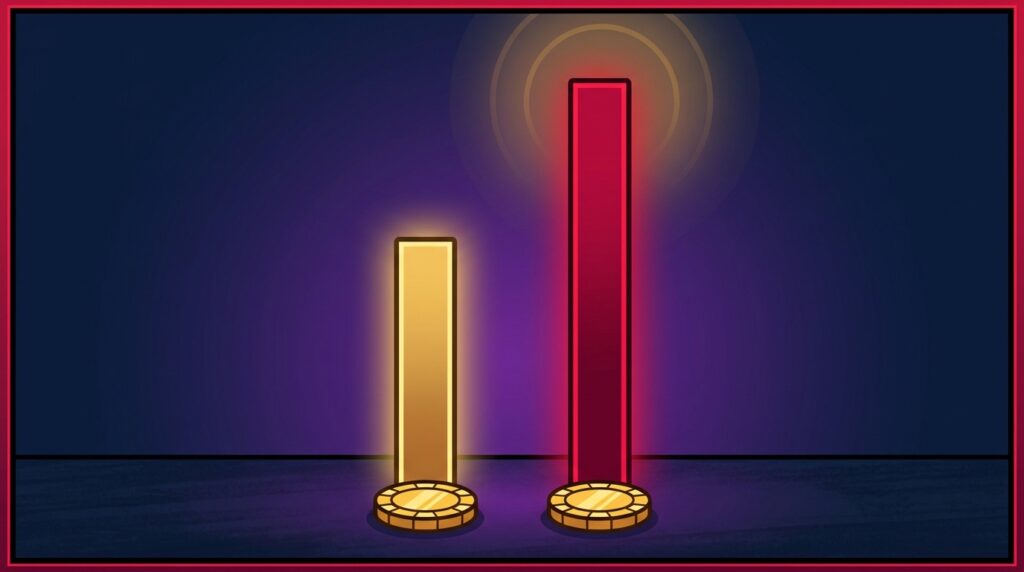
Standard blackjack, played with reasonable basic strategy, often carries a house edge under one percent depending on the specific rules at the table. Perfect pairs and other blackjack side bets frequently run house edges in the five to eleven percent range, sometimes higher depending on the pay table. That’s not a small gap, it’s the difference between a genuinely competitive game and one that’s quietly stacked much more heavily against you.
I didn’t appreciate how large that gap actually was until I sat down and compared specific numbers rather than going on a vague sense that “side bets are probably worse.” Once the numbers were in front of me, the appeal of a side bet mostly evaporated, replaced by a clearer sense of exactly how much extra I was paying for the chance at a bigger, rarer win.
Why the Numbers Work Out This Way
Side bets pay out on rare, specific outcomes, like getting a pair on your first two cards, which means the payout structure has to be steep to make the math work for the casino across thousands of hands. That steepness is exactly what creates the larger house edge, since rare events with big payouts are harder for players to properly evaluate in the moment compared to a base game they’ve played enough times to develop real intuition about.
Where I’ve Made Exceptions
I don’t avoid every side bet on principle, since a small number actually carry a house edge close to or occasionally better than the base game they’re attached to. Certain baccarat side bets, when the specific pay table is generous, have come close to matching the base game’s edge on the banker bet. I check the actual pay table before ever placing one of these now, rather than assuming all side bets are equally bad.
The trouble is that pay tables vary a lot between casinos for the exact same side bet, so a good deal at one table can be a terrible one at another with an identical name. I’ve started treating side bet pay tables the way I’d treat comparing slot RTPs across different studios, worth a quick check before assuming anything about value based on the bet’s name alone.
A Baccarat Exception That Actually Worked Out
I found a baccarat table once with a side bet on a specific card combination that, based on the posted pay table, carried a house edge I calculated at just over two percent, close enough to some base bets that it felt worth occasional small wagers. I won’t pretend it turned into a meaningful profit center, but it also didn’t bleed money the way the blackjack side bets had. That experience is the main reason I don’t dismiss side bets entirely anymore, just approach each one skeptically until the numbers say otherwise.
The Psychological Pull I Had to Recognize
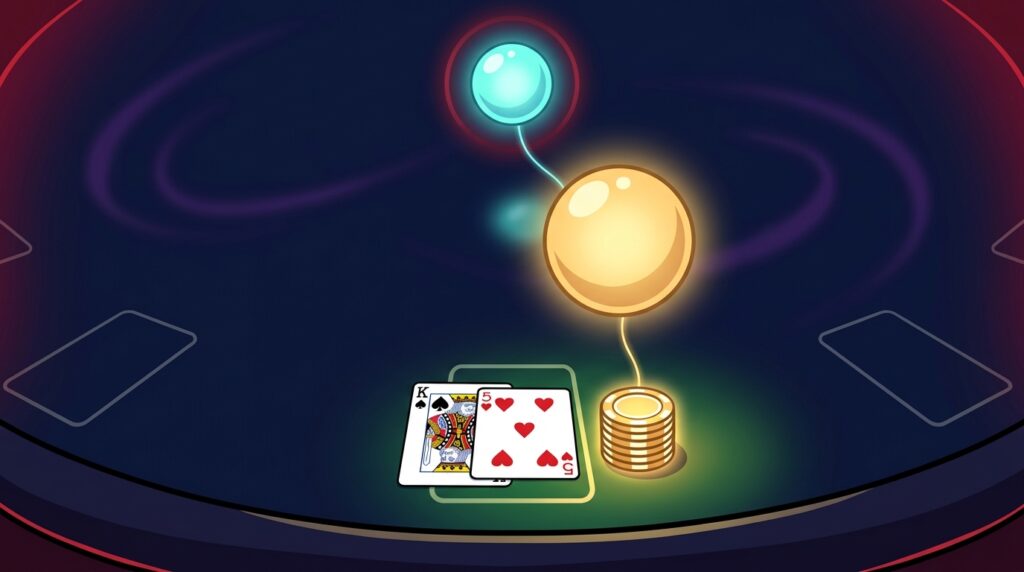
Part of why I kept saying yes to side bets without thinking wasn’t really about the math at all, it was about the anticipation. A side bet adds a second thing to root for on every hand, a small extra jolt of hope layered on top of the main bet’s outcome. That extra jolt is genuinely part of the appeal, and I don’t think it’s irrational to value it as entertainment, as long as you’re clear-eyed about paying for it.
Where I went wrong for a long stretch was not treating that entertainment value as a cost at all, just saying yes reflexively because the dealer asked and it felt like part of the ritual of sitting down at the table. Once I started mentally tagging side bets as “entertainment spend” rather than “part of my normal wager,” I got a lot more deliberate about when I actually wanted that extra jolt versus when I was just following habit.
How I Decide Now
My current rule is to check a side bet’s pay table before the first hand if I’m at a new table, and to only place it if the calculated house edge is reasonably close to the base game’s edge, generally under three percent. If the pay table isn’t posted anywhere visible, which happens more often than I’d like, I ask the dealer or just skip the side bet entirely rather than guess. That small habit alone has cut a meaningful amount of unnecessary loss out of my table sessions.
I’ve also gotten comfortable telling a dealer no without feeling like I’m being difficult about it, which took longer than I expected given how automatic the “yes” response had become. Dealers deal with players declining side bets constantly, it’s a completely normal response that doesn’t slow the game down or draw any particular attention. That realization removed a small social friction that had been quietly keeping me saying yes longer than the math justified.
Where I Actually Play Table Games
I’ve gotten more selective about where I sit down for table games generally, favoring operators that post clear, complete pay tables for their side bets rather than burying that information or leaving it to guesswork. A casino willing to display accurate pay tables prominently tends to be more transparent generally, which has become a small but useful signal I use when deciding where to spend table game time.
That transparency matters more to me now than any specific welcome offer tied to table games, since a generous bonus doesn’t mean much if the underlying game math is quietly worse than it needs to be. I’d rather play at a slightly less flashy casino with honest pay tables than chase a bonus at one that makes side bet terms hard to find.
A Note on Progressive Side Bets
Progressive side bets, the ones tied to a growing jackpot that requires a specific rare hand to hit, deserve their own separate mention because the math works differently from a fixed-pay side bet. The house edge on these can actually shrink as the jackpot grows, sometimes even turning favorable in theory once the jackpot passes a certain threshold, though hitting the required hand remains extremely rare regardless. I’ve never actually chased one of these seriously, since the variance required to make the math work in your favor is well beyond what I’m comfortable budgeting for.
I mention it mainly because it’s a genuine exception to the general rule that side bets are worse than they look, at least in theory, even if I don’t personally play them. If you’re the type of player drawn to long-shot, high-variance bets anyway, a progressive side bet with a swollen jackpot is at least a mathematically defensible version of that impulse, more so than most fixed side bets ever are.
What I’d Tell a New Table Games Player
If you’re new to table games and getting asked about side bets for the first time, I’d say it’s fine to say yes occasionally for the fun of it, as long as you’re treating it as a small, deliberate entertainment purchase rather than a default habit. Check the pay table if it’s posted, and don’t be shy about asking the dealer if it isn’t. Most side bets carry a meaningfully worse edge than the base game, and knowing that upfront changes the decision from a reflex into an actual choice.
I still say yes sometimes, usually on nights I’m not particularly focused on preserving bankroll and just want the extra bit of anticipation a side bet adds to each hand. Special sessions tied to seasonal event promotions - En seasonal event promotions are where I’m most likely to indulge, since those nights already carry a looser, more playful mood that side bets fit naturally into. The rest of the time, I stick to the base game and let the side bet pitch pass by without much thought.
A Roulette Side Bet That Changed My Mind Temporarily
I got briefly excited about a roulette side bet a couple years back, one that paid out based on hitting a specific neighbor bet combination, before realizing I’d misread the payout multiplier and the actual edge was far worse than my quick mental math suggested. That mistake was entirely on me, and it’s why I now do the full calculation on paper rather than trusting a rough estimate in my head.
That specific roulette side bet ended up carrying an edge north of fifteen percent once I worked through it properly, which is steep even by side bet standards. I felt a little embarrassed at how close I’d come to placing real money on it, and that turned into a stricter rule about never placing a side bet I haven’t verified with actual arithmetic.
Talking to a Pit Boss About It
I once asked a pit boss directly, out of genuine curiosity rather than any expectation of a useful answer, how side bets performed for the casino compared to base games. She was surprisingly candid, explaining that side bets are a meaningful part of table game revenue precisely because most players don’t calculate the edge themselves and just go on instinct about whether a bet feels appealing. That conversation confirmed what the math had already told me, but hearing it from someone on the operational side made the pattern feel more concrete.
Why I Don’t Fully Judge Players Who Love Them
I want to be fair to side bets as a category, because I understand why they’re popular even with the worse math clearly laid out. They add variance and a shot at a bigger, faster win to games that can otherwise feel slow and grindy over a long session. For players who value that unpredictability more than long-run expected value, a worse house edge isn’t necessarily an irrational trade, it’s just a different set of priorities than mine.
My issue was never that side bets exist, it’s that I was placing them without actually deciding whether that trade made sense for me in the moment. Once I made that decision consciously instead of reflexively, I found I still enjoy a side bet now and then, just far less often and with a much clearer sense of what I’m actually paying for the extra thrill.
My Bottom Line
Side bets aren’t a scam, and a handful of them are genuinely close enough to fair that I’ll place them when the mood strikes. Most of them, though, carry a house edge steep enough that saying yes reflexively adds up to real money over time, money I’d rather keep in play on the base game where the math treats me better. Checking the pay table first turned side bets from a habit I didn’t think about into a choice I actually make on purpose.